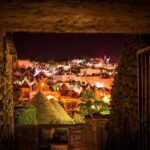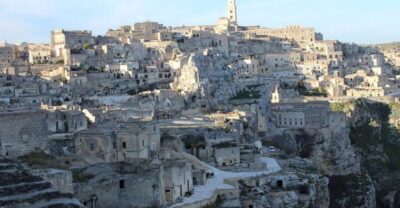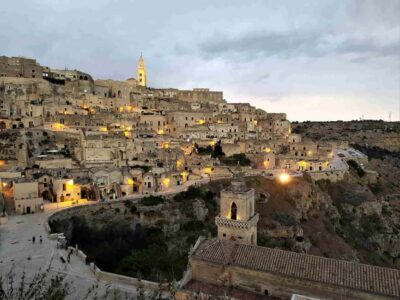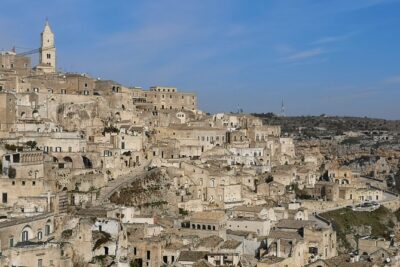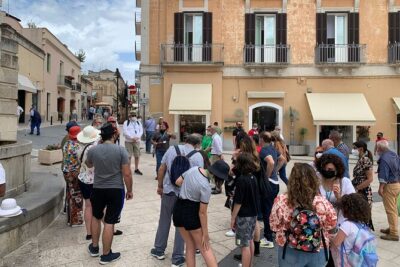
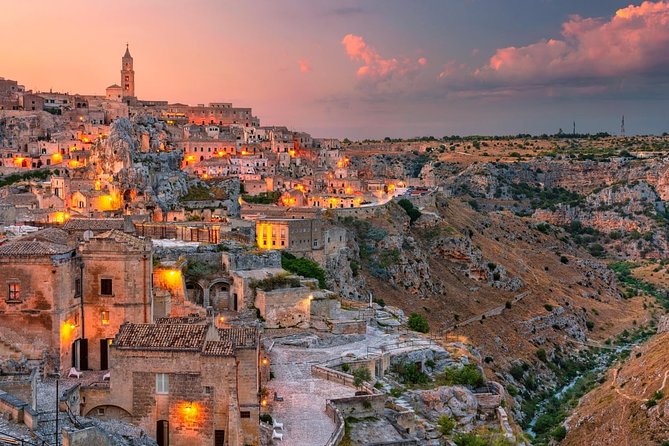
Matera makes you look twice. This English small-group walk turns the confusing Sassi alleys into a clear story of how cave life evolved, with a guided path through Sasso Caveoso and part of Sasso Barisano. I especially like the focus on people and daily life, and I like that the route helps you appreciate views and rupestrian sights without wandering for hours.
One consideration: you’ll be on foot for about 2 to 3 hours, and the stones and steps in the Sassi can be uneven, so wear solid shoes and plan for a steady pace.
In This Review
- Key things you should know before you go
- Matera’s Sassi: why this tour works better than wandering solo
- Sasso Caveoso and Sasso Barisano: the orientation “win”
- Rupestrian churches and cave homes: seeing the rock-cut world up close
- “Shame of Italy” to UNESCO: why the timeline feels clearer in the alleys
- The small-group pace: questions, humor, and a relaxed tempo
- Walking practicalities: shoes, time, and how long 2 to 3 hours feels
- Stops beyond the obvious: bakeries, water systems, and film-location moments
- Price and value: what $36.28 buys you here
- Who should book this Matera walk (and who might want a different style)
- Should you book Discover Matera, the ancient city?
- FAQ
- How long is the Matera English tour?
- What language is the tour in?
- How many people are in the group?
- Is the ticket digital?
- Does the tour run in bad weather?
- Is cancellation free, and how far in advance do I need to cancel?
Key things you should know before you go
- Small group feel (max 20): easier questions, calmer pacing, and less bottlenecking in tight lanes.
- A guided story, not a church checklist: the walk connects cave homes, churches, and survival needs into one timeline.
- UNESCO explained through lived reality: the shift from the Shame of Italy to World Heritage makes more sense on the ground.
- Rupestrian spaces and valley viewpoints: you get the best sightlines while staying oriented.
- Local texture beyond the obvious: the route may include stops tied to bakeries, water collection, and even film locations connected to No Time to Die.
- English tour clarity: the guides keep it understandable, with time to ask questions.
Matera’s Sassi: why this tour works better than wandering solo
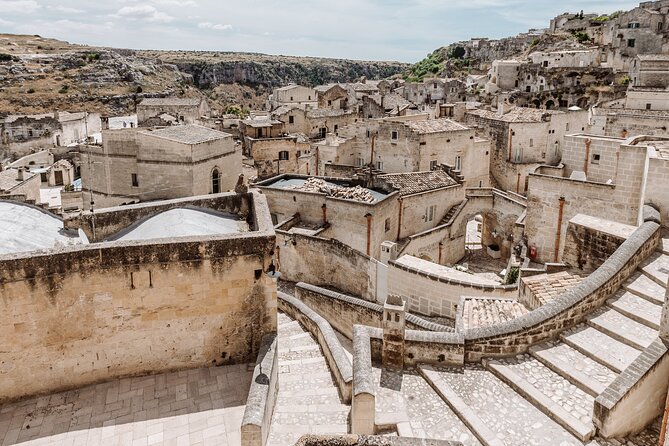
Matera is one of those places where the scenery is also the history. You’re not just looking at buildings; you’re walking through a system of life carved into rock. The Sassi can feel like a maze at first, and if you go without a plan you end up doing a lot of backtracking instead of learning why everything is where it is.
This tour is built to solve that. You follow a guided path through the Sassi, so you spend your energy on understanding what you’re seeing rather than trying to decode the alleys on your own. I like that the emphasis is on how people lived—homes, churches, water needs, and the logic of survival—so Matera feels human, not just dramatic.
And the guide factor matters here. The local guides you might meet—Renato Favilli, or other guides like Sara, Domenico, and Gaetano—bring a personal attachment to the territory of the Sassi. That doesn’t mean it turns into a lecture. It’s more like walking with someone who knows which details matter and which ones don’t.
More Matera Sassi day trips that leave from Bari
Sasso Caveoso and Sasso Barisano: the orientation “win”
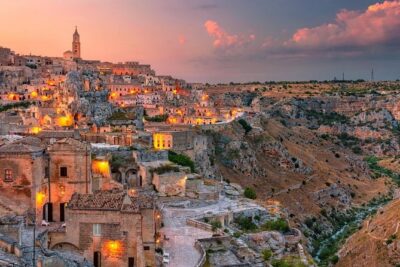
The heart of the experience is the walk through the Sassi areas most tied to the cave-city story: Sasso Caveoso and part of Sasso Barisano. This is a smart choice for first-time visitors because it gives you enough variety without exhausting you with a full day of crisscrossing.
Here’s what you’ll likely feel as you move:
- The alleys start to make sense. After a while, you stop thinking in terms of streets and start thinking in terms of rock-cut neighborhoods.
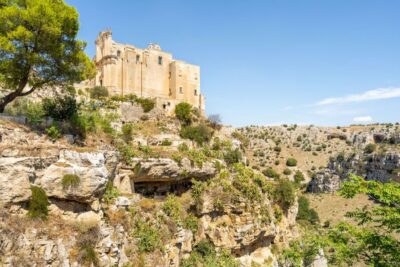
- You’ll get better sightlines. Even when you’re in narrow lanes, the guide timing helps you reach viewpoints so the valley view isn’t an accident.
- You’ll see rupestrian architecture as part of daily life, not as isolated monuments.
The practical upside is simple: you won’t just “collect” sights. You’ll understand how one part connects to the next, which makes self-guided exploring afterward much easier.
Rupestrian churches and cave homes: seeing the rock-cut world up close
Matera’s most memorable spaces aren’t just buildings you pass by. They’re rooms carved into rock, and churches with a history tied to ordinary survival.
On this walk, you get access to the kind of sights that shape the city:
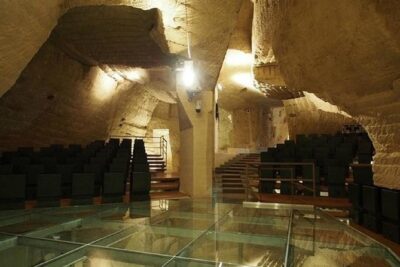
- Rupestrian churches (rock-cut religious spaces)
- Cave homes and dwellings
- Points where the views open up over the valley
A key difference from the typical “see a church, move on” tour is the framing. You’re not going through Matera as a checklist. You’re learning the philosophy of the Sassi—why these forms existed, what they protected people from, and how communities organized around the realities of living in stone.
One detail that tends to make this feel real is the way guides connect the spaces to personal or family stories. For example, some versions of this experience include a stop at a cave house with family ties connected to the guide, which turns the rocks into something you can almost picture a person moving through. If you’re the kind of traveler who loves small human details, this is a big plus.
“Shame of Italy” to UNESCO: why the timeline feels clearer in the alleys
Matera’s modern reputation didn’t arrive by accident. The city went through a long period of visibility and misunderstanding, and then it changed course. The tour’s story arc is designed to help that transition land.
As you walk, you get a step-by-step history that explains why, for a long time, Matera wasn’t widely known—then later became central enough for UNESCO recognition. The guide approach focuses on a 360-degree look at Matera: art, anthropology, and architecture, plus the lived conditions that drove the city’s evolution.
This is where the walking route pays off. When you learn something abstract—like why the cave homes looked the way they did—you can immediately see the constraints that created that architecture. You also understand why the social shift mattered. Standing in the lanes makes it easier to grasp how a community could thrive, struggle, and then be reshaped in the modern era.
If you want a visit that leaves you with more than photos, this is the section that usually turns the trip from impressive to meaningful.
More Bari sightseeing by day, from the castle to the seafront
- Bari: City Highlights Guided Bike Tour★ 4.7 · 527 reviews
- Bari Walking City Tour★ 4.5 · 511 reviews
- Bari by boat: admire the city from the sea with Aperitivo★ 4.6 · 256 reviews
- Matera: Guided City Center Tour with Cave Churches & Houses★ 4.7 · 62 reviews
- Bari: City Bike Rental★ 4.9 · 20 reviews
The small-group pace: questions, humor, and a relaxed tempo
This experience caps at 20 travelers, which changes the vibe. In a place like Matera, a larger group can quickly become a traffic jam. Here, the group size supports real conversation.
From what you can expect in the experience style:
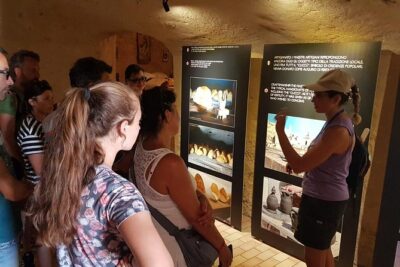
- You’ll have time to ask questions instead of rushing through stops.
- The guide keeps the rhythm relaxed enough for listening, not just sightseeing.
- The English is straightforward, with explanations that build as you go.
The guides’ personalities show up in the reviews as humor and storytelling. Gaetano, for instance, is repeatedly praised for being funny, engaging, and capable of explaining complex history in an easy way. Renato Favilli also gets a reputation for sharing personal stories and taking people off the busiest routes so the Sassi feel less staged.
If you enjoy learning but hate feeling trapped in a one-way museum script, this small-group structure is a strong match.
Walking practicalities: shoes, time, and how long 2 to 3 hours feels
Let’s talk logistics in a traveler-friendly way. You’re looking at 2 to 3 hours on foot. That’s plenty of time to understand a lot, but it’s also enough time that your comfort matters.
Wear sensible shoes. The Sassi terrain isn’t smooth like a city sidewalk. Expect uneven stone and steps. Bring water if you tend to get thirsty, especially in warmer months.
Also, plan your day around the tour. It’s a great first or early visit because it gives you mental geography fast. Once you have that orientation, exploring on your own becomes much more satisfying.
Weather matters too. The experience requires good weather, and if conditions are poor you’ll be offered a different date or a full refund. Since you’re walking outdoors, this isn’t a minor detail.
Stops beyond the obvious: bakeries, water systems, and film-location moments
Matera has been used as a backdrop for film because it looks like history. Some tours in this category include a stop tied to the James Bond film No Time to Die, and you may also hear stories about how production solved an unusual problem during filming. Even if you’re not a film buff, it’s a useful angle for seeing how the modern world interacts with these ancient streets.
You may also cover practical, everyday infrastructure—things you wouldn’t notice without guidance. Reviews of the experience mention:
- Traditional bakeries
- Public and private water collection systems
Those topics might sound niche, but they’re actually central to understanding the Sassi. Water access and food routines shaped where people could live and how communities functioned. When the guide explains these systems while you’re standing near the relevant spaces, it turns what could be trivia into real context.
This “beyond churches” emphasis is one of the most praised parts of the experience. If you’re the type of traveler who likes the ordinary details—how people got water, where they ate, what they did daily—this tour is tailored for you.
Price and value: what $36.28 buys you here
At $36.28 per person for a 2 to 3 hour English walk, the value is strong if your goal is understanding, not just ticking off sights. You’re paying for three things that matter in Matera:
- Orientation through a confusing warren of alleys
- Context that links cave architecture to human history and social change
- Local guidance that helps you see rupestrian spaces and views without wasted time
This price also lines up with the experience format: a small group (max 20) and a mobile ticket approach. You’re not just paying for movement around town; you’re paying for an explanation that makes the place click.
One more small planning note: the tour is commonly booked about 33 days in advance, so if your dates are fixed, don’t wait until the last minute.
Who should book this Matera walk (and who might want a different style)
This experience is a great fit if you:
- Want to understand the Sassi quickly and clearly
- Like history that connects to daily life
- Prefer small groups and conversational guides
- Enjoy walking tours that include viewpoints and rock-cut architecture
It may be less ideal if you only want a traditional highlights loop of the most famous church interiors. This is not built as a cathedral-hopping route. The focus is the cave-city meanders and the human story inside them.
If you’re sensitive to repetition in guided commentary, pay attention to your own learning style. One review notes that the guide sometimes repeats points too much. On the flip side, the most common feedback praises the flow, pacing, and the way the timeline is presented. So it’s worth choosing this tour if you want a structured narrative, not a rapid-fire list.
Should you book Discover Matera, the ancient city?
I’d book it if you want Matera to feel legible—where you understand the Sassi structure, why UNESCO recognition happened, and what cave life was actually about. The small group cap makes it easier to ask questions and keep the pace comfortable. The Sasso Caveoso + Sasso Barisano route is also a smart blend for first-timers who still want variety.
Skip it only if your goal is mostly to chase church interiors on your own time. Otherwise, this is a practical, story-led way to get the most out of a very unusual city—without losing the whole afternoon in alley confusion.
FAQ
How long is the Matera English tour?
It typically runs about 2 to 3 hours.
What language is the tour in?
The tour is offered in English.
How many people are in the group?
The maximum group size is 20 travelers.
Is the ticket digital?
Yes, the tour uses a mobile ticket.
Does the tour run in bad weather?
It requires good weather. If it’s canceled due to poor weather, you’ll be offered a different date or a full refund.
Is cancellation free, and how far in advance do I need to cancel?
You can cancel for a full refund up to 24 hours before the start time. If you cancel less than 24 hours before, the amount paid won’t be refunded.
More Tours in Bari
- Matera: Sassi Tour with Cave House and Rupestrian Church
★ 4.7 · 6,618 reviews - Polignano a Mare: Cave Boat Tour with Aperitif
★ 4.7 · 1,891 reviews - Guided Tour of Matera Sassi
★ 4.5 · 1,312 reviews - Bari’s Ultimate Street Food Tour – Small Group by Do Eat Better
★ 5.0 · 1,187 reviews - Polignano a Mare boat tour emotions, caves, diving and appetizers
★ 5.0 · 1,022 reviews - Bari: Guided Walking Tour
★ 4.7 · 744 reviews
More Tour Reviews in Bari
- Matera: Sassi Tour with Cave House and Rupestrian Church
★ 4.7 · 6,618 reviews - Polignano a Mare: Speedboat Cruise to Caves with Aperitif
★ 4.8 · 3,382 reviews - Polignano a Mare: Cave Boat Tour with Aperitif
★ 4.7 · 1,891 reviews - Guided Tour of Matera Sassi
★ 4.5 · 1,312 reviews - Polignano a Mare: Boat Trip, Swim & Cave with Aperitif
★ 4.8 · 1,300 reviews - Bari’s Ultimate Street Food Tour – Small Group by Do Eat Better
★ 5.0 · 1,187 reviews
More Matera Sassi Day Trips
- Matera: Sassi Tour with Cave House and Rupestrian Church
★ 4.7 · 6,618 reviews - Guided Tour of Matera Sassi
★ 4.5 · 1,312 reviews - Tour di Alberobello e Matera in bus privato da Bari
★ 4.8 · 701 reviews - Matera: Sassi Tour with Entry to Rock Houses and Churches
★ 4.6 · 622 reviews - Tour of Alberobello and Guide to Matera, from Bari
★ 4.7 · 478 reviews - Matera’s Sassi Walking Tour – History & Culture
★ 5.0 · 476 reviews