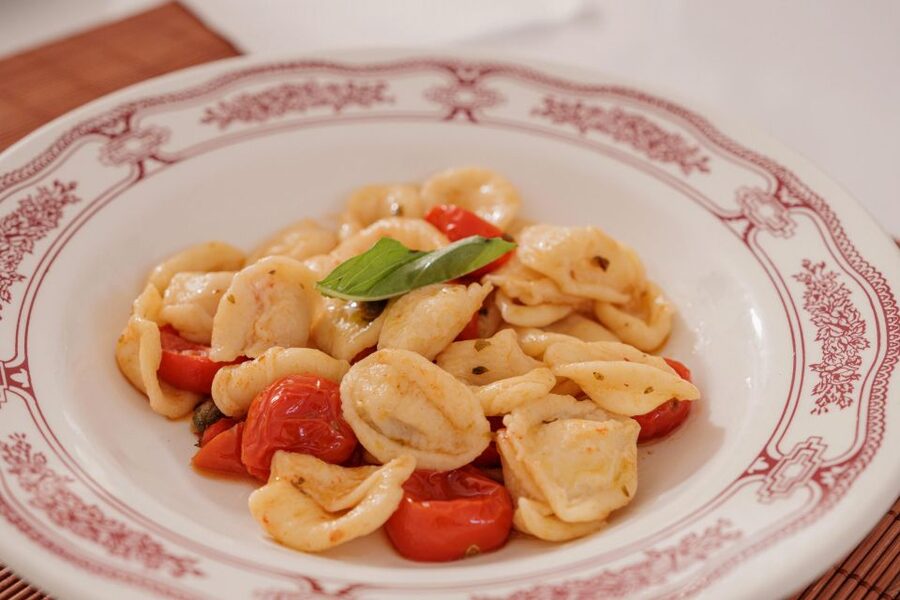
Turning dough into dinner feels good. In Monopoli, you’ll learn to make panzerotti, focaccia, and orecchiette with a local chef in the historic center. Two things I like a lot: you start with simple ingredient logic (water and flour basics) and build real technique, and you finish by eating what you made with drinks and Puglian wine. One consideration: this is a hands-on class, so plan on getting flour on your hands and sleeves.
I also like that the instruction is personal and place-based. The chefs are born and raised in Puglia, and one instructor you may meet is Maria, noted for clear teaching and a friendly vibe. If you’re short on time, the 3.5-hour length means you’ll move at a steady pace—worth it, but not a slow museum-style experience.
In This Review
- Key things worth knowing before you go
- Monopoli’s kitchen class: why this feels more local
- The main menu: panzerotti, focaccia, and orecchiette
- Panzerotti: fried comfort with a real rhythm
- Focaccia: learning bread structure, not just ingredients
- Orecchiette: the classic pasta shape with a hands-on lesson
- What makes the ingredients message so useful
- The instructor experience: clear, local teaching (and a name you may hear)
- How the class timeline feels in real life
- What you eat and drink after you cook
- The location details that actually matter: Monopoli and transfer options
- Price and value: is $169.93 a fair deal?
- Who this cooking class suits best
- Small practical tips for your best day
- Should you book this Conversano-area Puglian cooking class?
- FAQ
- How long is the cooking class?
- Where does the class take place?
- What dishes will I learn to make?
- Are drinks and wine included?
- Is transfer available from Polignano or nearby cities?
- What languages are the class taught in?
Key things worth knowing before you go
- Monopoli historic center setting keeps the class feeling rooted in place, not staged.
- A dough-focused lesson plan: panzerotti, focaccia, and orecchiette, using the region’s simple flour-and-water foundation.
- Orecchiette shaping skills taught by a local expert, not just a demo.
- You taste immediately with a panzerotti-based dinner menu plus drinks and Puglian wine.
- Optional transfer from Polignano can save you time and hassle if you’re staying nearby.
Monopoli’s kitchen class: why this feels more local
Apulia food is famous for being straightforward. This class leans into that. You’re not just learning recipes; you’re learning a way of thinking about dough: water, flour, and then the right handling turns it into three different Puglian classics.
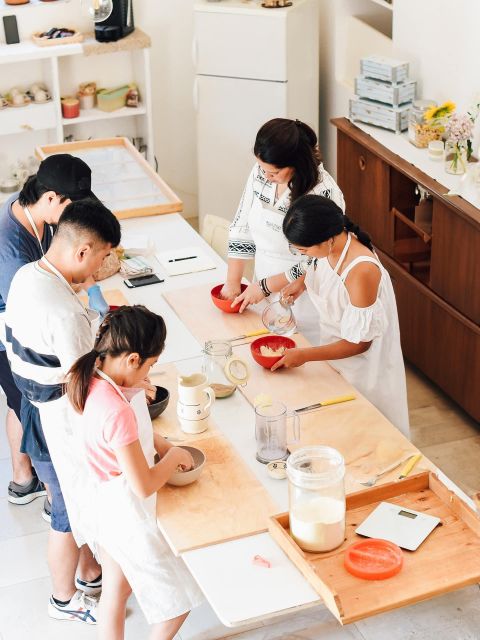
The class takes place in Monopoli’s historic center, in a kitchen setup suited to teaching (utensils are provided). That matters. When you’re close to the work, it’s easier to copy what the chef does and ask questions while the dough is still in your hands.
If you want a true taste of everyday Puglia, this is a good bet. Many food experiences stop at tasting. Here, the focus stays on making: you knead, shape, and cook, then you eat your results with others.
More orecchiette and Puglia cooking classes around Bari
The main menu: panzerotti, focaccia, and orecchiette
You’ll build three skills, and they connect. Even though the finished foods look different, the foundation is the same idea: start with dough basics and then treat each dough differently to match the dish.
Panzerotti: fried comfort with a real rhythm
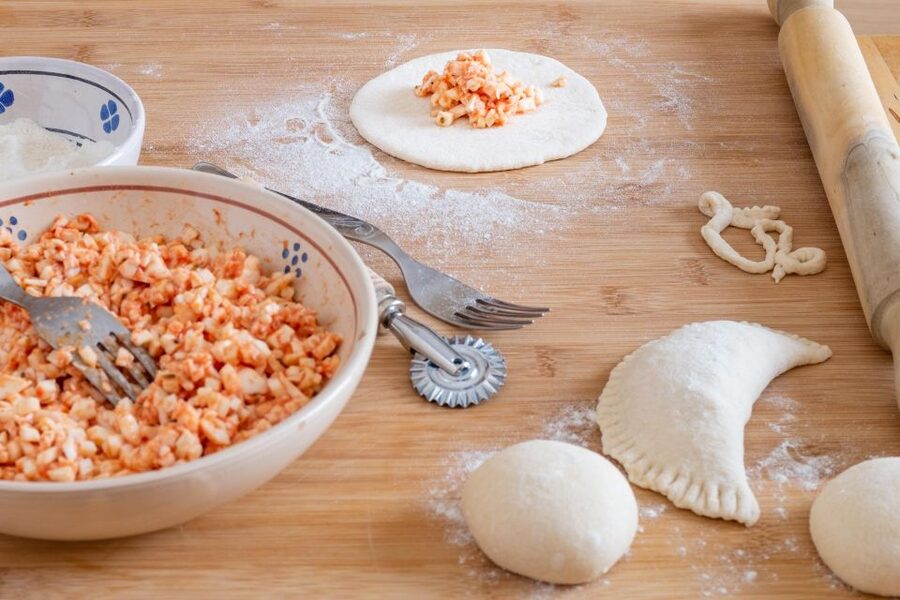
Panzerotti are the one most people recognize: half-moon dough, filled, then fried. In this class, you’ll learn the procedure for making them, which is where technique shows up fast. Frying is less about mystery and more about timing and dough handling—how the dough is sealed, how it keeps its shape, and when it’s ready.
The payoff is immediate. You’ll also eat a panzerotti-based menu dinner at the end, so you’re not stuck waiting for the final tasting after a long food walk.
Focaccia: learning bread structure, not just ingredients
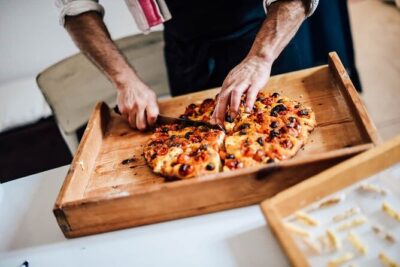
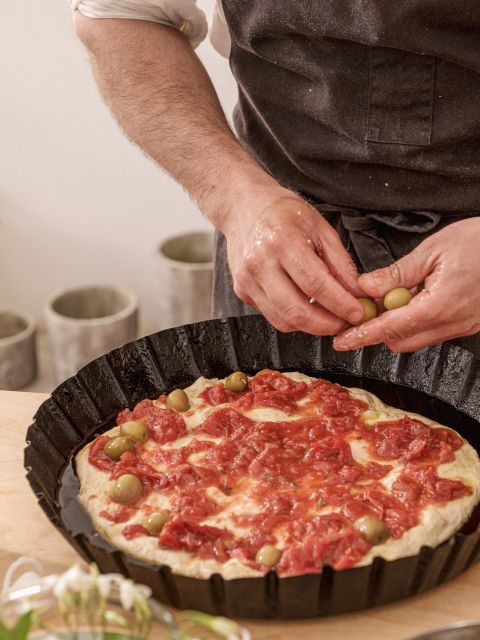
Focaccia can look simple until you try. This class includes making focaccia, and it’s a great way to understand bread’s behavior. You’ll be working with the same core flour-and-water logic, but you’ll handle it differently so you get that classic, bake-ready texture.
Since the class includes a kitchen experience with utensils and guided steps, you’re more likely to leave with a repeatable method than with a memory of ingredients.
More Bari hands-on workshops, from pasta boards to ceramics
- Apulian Cooking Class with Aperitif and Wine in Polignano a Mare★ 5.0 · 89 reviews
- Matera: Pasta Cooking Class Old Farmer Style in Sassi Cellar★ 5.0 · 87 reviews
- Matera Cooking Class★ 5.0 · 76 reviews
- Apulian cooking class fresh pasta and focaccia★ 5.0 · 68 reviews
- Cesarine: Small group Pasta and Tiramisu class in Bari★ 5.0 · 56 reviews
Orecchiette: the classic pasta shape with a hands-on lesson
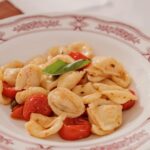
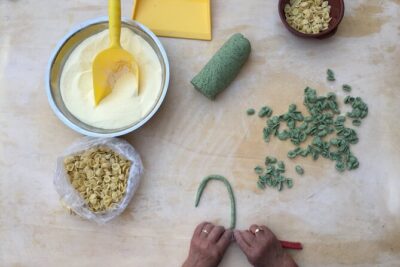
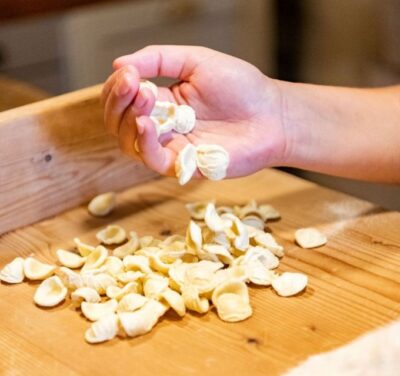
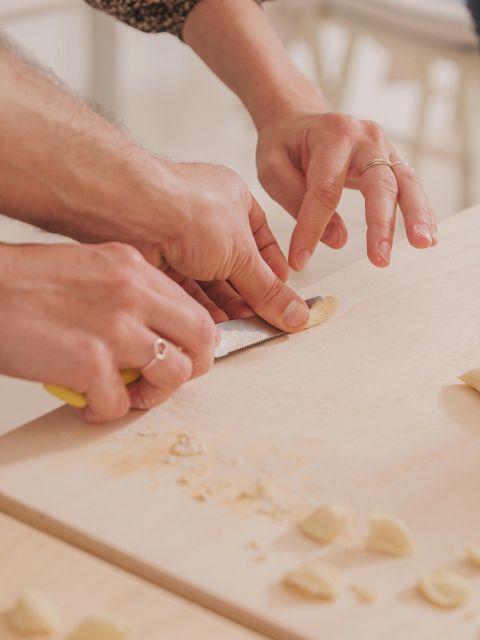
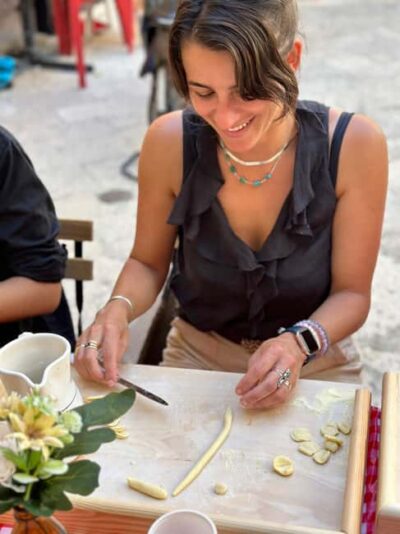
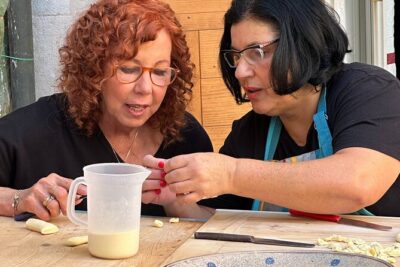
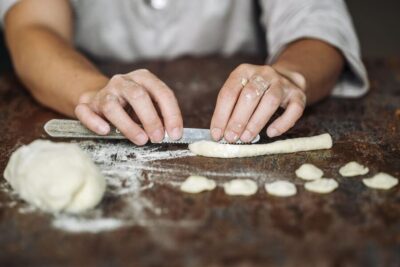
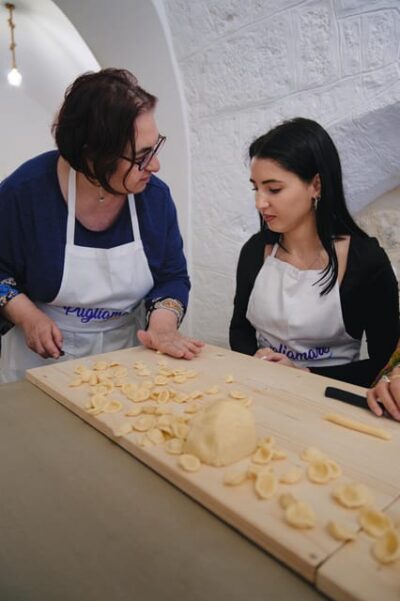
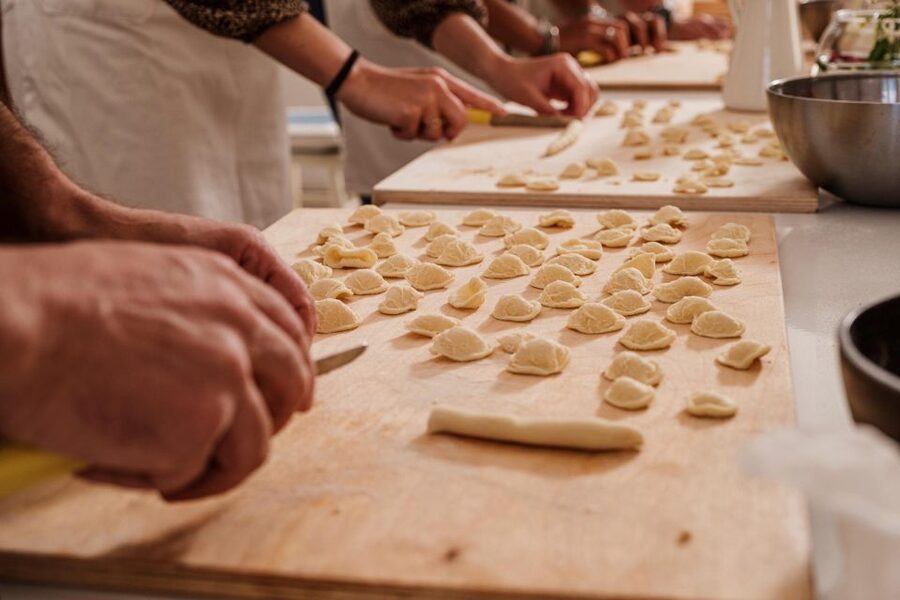
Orecchiette is where Puglia shows off. The pasta isn’t complicated in ingredients; it’s distinctive in shaping. This class includes crafting orecchiette with a local expert, and that’s the key. You’ll learn the procedure for preparing and shaping the pasta, so you can realistically recreate it at home.
One nice note from the feedback: in at least one class, cavatelli also showed up alongside orecchiette. So if that interests you, it’s worth asking (or simply knowing that the menu can vary a bit while staying within the same pasta family).
What makes the ingredients message so useful
One line from the class approach really helps you later: water and flour are the main ingredient basics shared across the region’s specialties. That’s not just trivia—it’s a practical shortcut.
When you understand that the dough starts from a small ingredient base, you stop thinking of each dish as totally separate. You start treating it like a family:
- Same start, different handling
- Same dough principles, different shaping and cooking
- Same local logic, adapted to different end results
That’s how you leave with skills, not just a cookbook page.
The instructor experience: clear, local teaching (and a name you may hear)
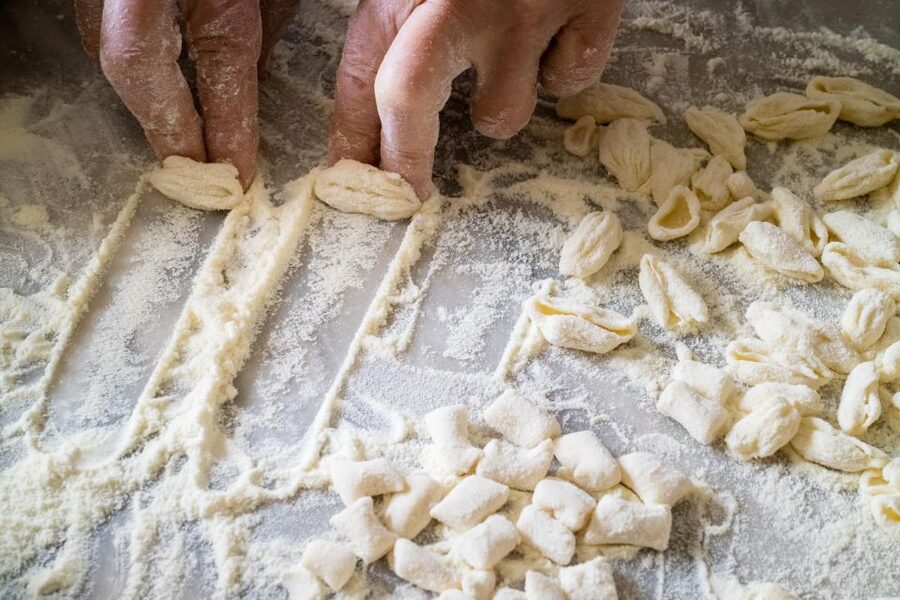
You’re not learning from someone who treats Puglia like a theme. The chefs are born and bred in Puglia and guide you through the kitchens in the historic center.
From the feedback you can rely on the teaching style. Maria is specifically praised for being an excellent teacher and for giving clear instruction. The result: you’re not stuck guessing why dough behaves a certain way.
Also, the language offering is practical: English and Italian are supported, so you’re not pushed into gestures-only communication.
How the class timeline feels in real life
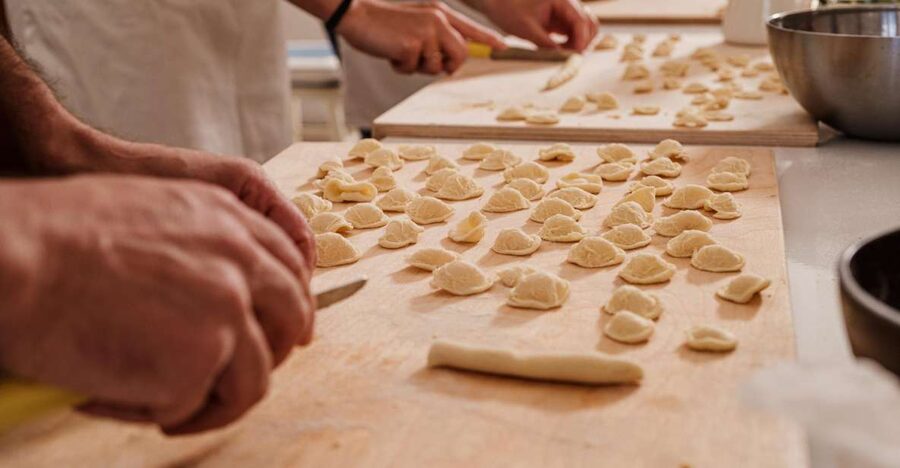
The experience runs about 3.5 hours. That’s long enough to learn, shape, and cook—but not so long that it becomes a waiting game.
Here’s the flow you can expect based on how the class is described:
- You get taught the procedures for panzerotti, focaccia, and orecchiette.
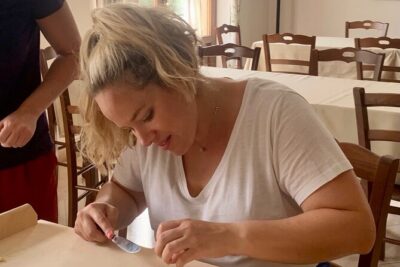
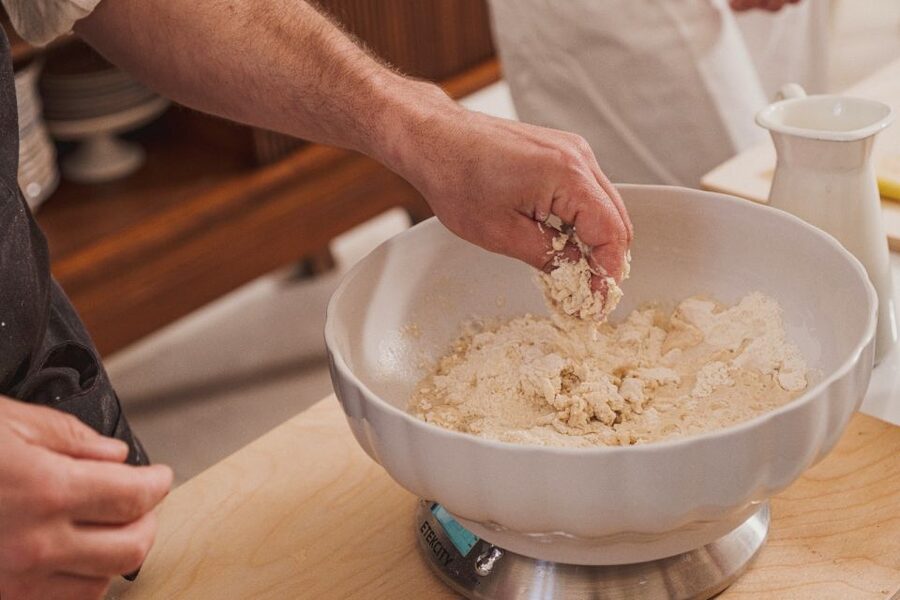
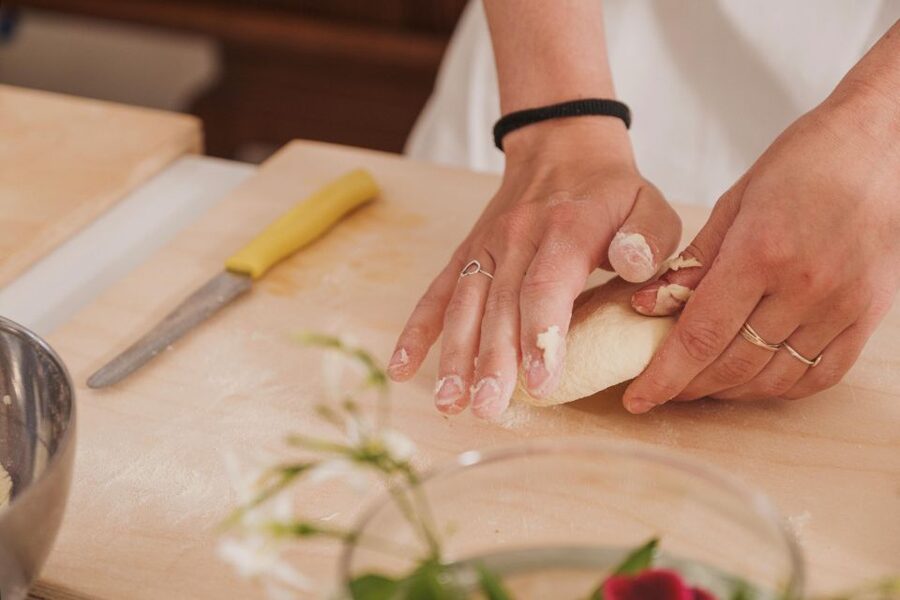
- You work through dough steps yourself—kneading and shaping with the chef guiding you.
- You cook in the cases for each item: panzerotti are fried, focaccia is baked, and orecchiette is cooked.
- You finish by eating with drinks and wine, plus a panzerotti-based dinner menu.
That structure is what makes the class feel like more than instruction. You leave with a meal in your belly and a technique in your hands.
What you eat and drink after you cook
This is where value turns into fun. The class includes dinner with a panzerotti-based menu, plus drinks and Puglian wine. You’re basically getting your celebratory meal inside the same experience—no separate dinner plan needed.
And since the group is cooking the food together, the dining part tends to feel natural. You’ve already made the dishes, so you’re tasting with context: you know what the dough felt like before it turned into the final bite.
If you like food experiences that don’t split into two separate events (cook over here, eat somewhere else), this setup fits.
The location details that actually matter: Monopoli and transfer options
You’ll be in the town of Monopoli, in a historic center establishment. That’s good for atmosphere, but also good for logistics because you’re not stuck searching for a random industrial kitchen outside town.
There’s also a practical transfer option: you can request a free transfer from Polignano city center. If you’re using Polignano as your base, that can remove a chunk of stress. Optional pickup from all nearby cities is available on request as well, so you can line this up with how you’re already traveling.
If you’re staying farther out, plan to confirm what’s easiest for your exact starting point. You don’t want to spend the first hour of a 3.5-hour class figuring out the ride.
Price and value: is $169.93 a fair deal?
At $169.93 per person, this isn’t a bargain snack class. But it also isn’t a demo-only experience. You’re paying for:
- A professional chef guiding three distinct dishes
- Kitchen utensils and a setup designed for making and cooking
- A dinner that includes panzerotti as the theme
- Drinks plus Puglian wine included
- A class length of 3.5 hours, which is enough time to actually learn
In plain terms: you’re getting instruction + a full meal + wine, in a local Monopoli kitchen. If you compare it to a dinner and wine outing in the area, the cooking lesson portion can feel like the difference that makes the price worth it.
If you’re the type who learns by doing, this value reads better than it would for someone who mainly wants to watch.
Who this cooking class suits best
This class fits you if:
- You want real hands-on cooking (kneading, shaping, cooking), not just tasting.
- You’re interested in Puglian staples and want to understand the dough logic behind them.
- You like meeting people over shared food rather than eating in silence.
- You want a guided experience that ends with a proper dinner and wine.
It might be less ideal if:
- You hate hands-on tasks and only want to observe.
- You’re trying to pack in a tight schedule, because 3.5 hours is a real block of time.
Small practical tips for your best day
These aren’t extras; they make the class smoother.
- Wear clothes you don’t mind getting flour on. Dough work is messy by nature.
- Expect the pace to be steady. You’re making multiple dishes in one session.
- If you’re multilingual, use it. Ask questions in English or Italian so you can clarify anything about texture, timing, and shaping.
- If cavatelli or similar pasta options interest you, keep in mind the class can include other pasta items alongside orecchiette, depending on the session.
Should you book this Conversano-area Puglian cooking class?
I’d book it if you want a genuine Puglia food experience that turns learning into eating. The biggest reasons are simple: you’ll make three core dishes (panzerotti, focaccia, orecchiette), the teaching is tied to local expertise, and you end with dinner plus drinks and wine. That combination is hard to beat for a single, satisfying outing.
Skip it only if you truly want a quiet, watch-and-leave experience. This one is about getting your hands dirty and learning something you can repeat at home.
If you’re staying near Polignano, the free transfer request is another plus. It makes it easier to get there on time without adding extra travel friction.
FAQ
How long is the cooking class?
The duration is 3.5 hours. Starting times depend on availability.
Where does the class take place?
It takes place in Monopoli, in a historic center establishment in Apulia, Italy.
What dishes will I learn to make?
You’ll learn to make panzerotti, focaccia, and orecchiette. Cavatelli may appear in some sessions alongside orecchiette.
Are drinks and wine included?
Yes. Drinks and fine Puglian wines are included, and there is dinner with a panzerotti-based menu.
Is transfer available from Polignano or nearby cities?
A free transfer from Polignano city center is available upon request. Optional pickup from nearby cities is also available on request.
What languages are the class taught in?
The instructor teaches in English and Italian.
More Puglia Workshops & Hands-On Classes
- Polignano a Mare: Pasta Making Cooking Class with Drink
★ 4.8 · 260 reviews - Polignano a Mare: Apulian Cooking Class with Food and Drinks
★ 4.8 · 159 reviews - Apulian Cooking Class with Aperitif and Wine in Polignano a Mare
★ 5.0 · 89 reviews - Matera: Pasta Cooking Class Old Farmer Style in Sassi Cellar
★ 5.0 · 87 reviews - Matera Cooking Class
★ 5.0 · 76 reviews - Apulian cooking class fresh pasta and focaccia
★ 5.0 · 68 reviews
More Tour Reviews in Bari
- Matera: Sassi Tour with Cave House and Rupestrian Church
★ 4.7 · 6,618 reviews - Polignano a Mare: Speedboat Cruise to Caves with Aperitif
★ 4.8 · 3,382 reviews - Polignano a Mare: Cave Boat Tour with Aperitif
★ 4.7 · 1,891 reviews - Discover Matera, the ancient city – English tour
★ 5.0 · 1,771 reviews - Guided Tour of Matera Sassi
★ 4.5 · 1,312 reviews - Polignano a Mare: Boat Trip, Swim & Cave with Aperitif
★ 4.8 · 1,300 reviews
More Orecchiette & Puglia Cooking Classes
- Bari: Pasta Experience Walking Tour
★ 4.7 · 660 reviews - Bari Walking Tour with Pasta Experience
★ 4.5 · 270 reviews - Polignano a Mare: Pasta Making Cooking Class with Drink
★ 4.8 · 260 reviews - Polignano a Mare: Apulian Cooking Class with Food and Drinks
★ 4.8 · 159 reviews - Apulian Cooking Class with Aperitif and Wine in Polignano a Mare
★ 5.0 · 89 reviews - Bari Bike Tour with Pasta Experience
★ 5.0 · 87 reviews