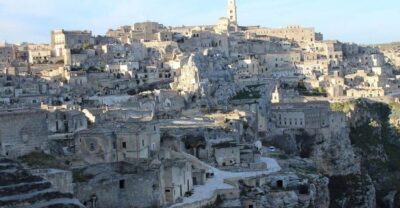
Matera’s rock city comes into focus fast. This guided walk through the Sassi di Matera and surrounding viewpoints turns scattered sights into one clear story, from cave-building to church architecture and public life. You’ll cover the Città del Piano, cross between Sasso Barisano and Sasso Caveoso, and end back where you started.
What I liked most: the route is structured so you learn what you’re looking at before you step into the streets. And the guide, Nicola, has a way of explaining details so the stones feel alive—plus the group stays small (max 12), so questions don’t get lost.
One thing to consider: it can be hot and the walking is real—so plan for shade, water, and comfortable shoes. Also, the small tasting at the end is time-sensitive, depending on who in the group wants it, so go in with flexible expectations.
In This Review
- Key things I’d zero in on
- From Piazza Vittorio Veneto into the Sassi story
- Belvedere Luigi Guerricchio: learn the layout before you hit the caves
- Chiesa dello Spirito Santo: rock architecture with medieval fresco clues
- Sasso Barisano and Piazza del Sedile: the neighborhood feel and civic life
- Cattedrale di Matera and the Colle della Civita viewpoint effect
- Via Muro: the panoramic walk that turns walking into a view
- Sasso Caveoso streets: narrow lanes, big atmosphere
- Casa Cisterna Sotterranea: water storage in carved stone life
- Santa Lucia alle Malve: medieval necropolis above a rupestrian church
- The grotto tasting in the Sassi: small time, big mood
- Palazzo Lanfranchi museum stop: blending periods on one façade
- Baroque churches and the City of Piano feel: Chiesa del Purgatorio and San Francesco
- Via del Corso and the Razionalist era: Matera’s 20th-century faces
- Price and time: does $41.54 feel fair?
- Who should book this Spanish Sassi tour
- Should you book it?
- FAQ
- Is the tour in Spanish?
- How long is the guided tour?
- Where does the tour start and end?
- How many people are in the group?
- What’s included in the tour?
- Is there a tasting during the tour?
- What language does the guide speak?
- Is a mobile ticket used?
- Can I cancel for free?
- Is this tour suitable for most people?
Key things I’d zero in on
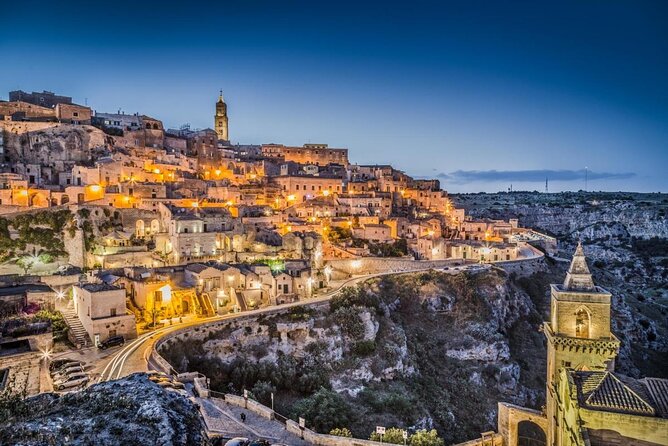
- Small group size (max 12) keeps the pace manageable and Q&A possible
- Nicola’s explanations make the cave homes and churches easier to understand
- Viewpoint-to-street order: you grasp the layout before you hit the narrow lanes
- Rock churches + cave house included gives you the hands-on feeling Matera is famous for
- A short local tasting happens inside a grotto, when timing works for the group
From Piazza Vittorio Veneto into the Sassi story
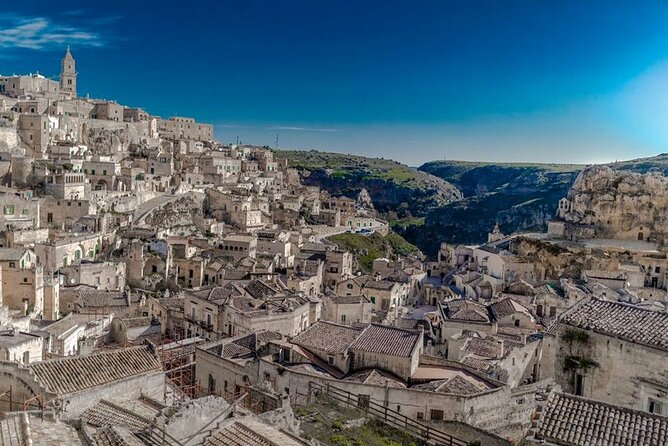
This tour is built like a guided pathway, not a checklist. You start in Piazza Vittorio Veneto (number 23), then spend about 3 hours walking through the Sassi and its edges—between viewpoints, rock churches, and cave complexes—ending again back at the meeting point. That start-and-finish loop matters because it keeps you from feeling like you’re walking your own way through confusing streets.
The “in Spanish” part is a big deal if you want to understand the why behind everything. Matera’s rock architecture can look mysterious if you’re just taking photos. In this format, you’re getting the background while you’re still near the exact buildings the guide is talking about.
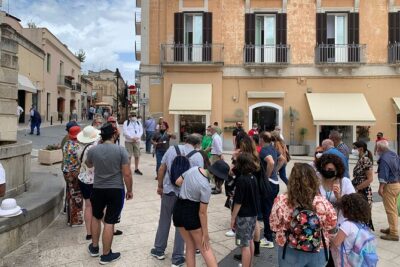
The group size also shapes the experience. With a maximum of 12 people, it’s easier to pause for details and not feel rushed every five minutes. It still won’t feel like a slow stroll—this is a walking tour—but it stays human.
More Matera Sassi day trips that leave from Bari
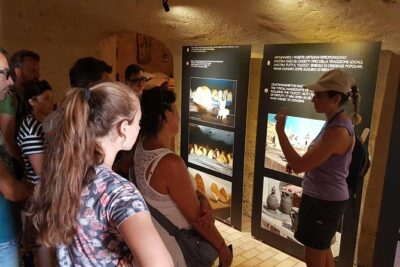
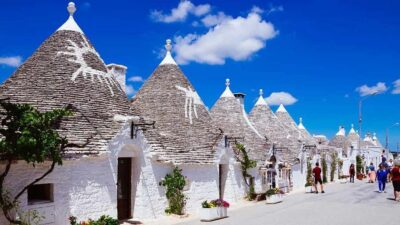
Belvedere Luigi Guerricchio: learn the layout before you hit the caves
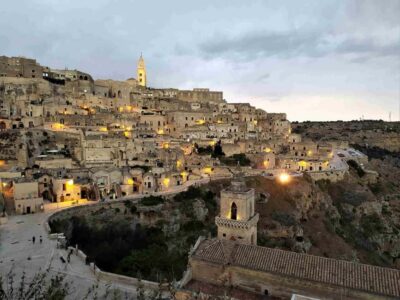
The first stop, Belvedere Luigi Guerricchio, is where the tour earns its keep. You get close enough to understand how the Sassi sit in relation to the surrounding area and why the cave-building choices made sense. It’s the kind of starting point that helps you avoid that common “I’m here, but I don’t get it” feeling.
What I like about starting with an overlook: it sets the mental map. When you later walk through rock-cut neighborhoods, you’re not just looking at individual scenes—you’re seeing how the city’s shape drives daily life.
There’s also a practical advantage. Viewpoints give you a breather early on, so you’re not already exhausted before the walk gets serious.
Chiesa dello Spirito Santo: rock architecture with medieval fresco clues
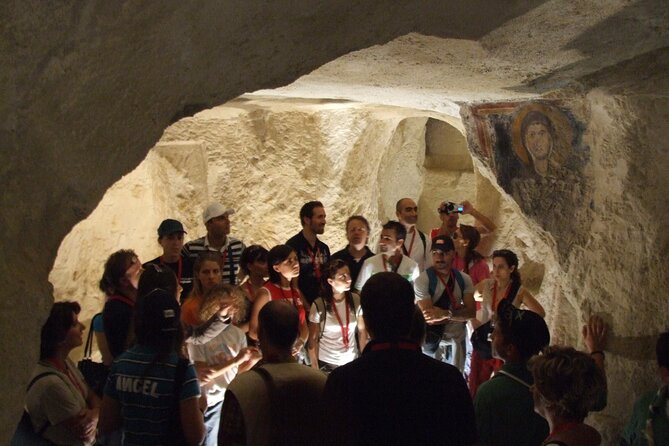
Next comes the Chiesa dello Spirito Santo. This is a chance to see rock architecture up close, and the guide ties it to medieval religious art, including frescoes. Even if you’re not a church-expert, it helps to have someone point out what’s carved vs. what’s added later.
This stop is also a reminder that the Sassi weren’t only about housing. The rock city included sacred spaces too, cut into the landscape and designed for community ritual. If you’ve ever wondered how people organized their beliefs in a landscape like this, this church is a strong early answer.
The time here is short—about 15 minutes—so don’t plan on a long spiritual sit-down. Think of it as a guided orientation into the visual language.
Sasso Barisano and Piazza del Sedile: the neighborhood feel and civic life
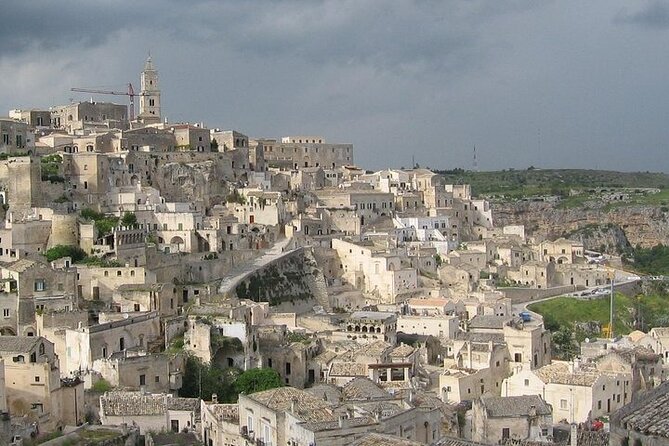
After the church, you move into Sasso Barisano, a historic neighborhood built around rock excavation. This is where the tour starts feeling more like “street Matera.” The guide’s explanations help you read the stone surfaces and the logic of the cut-and-build approach.
Then you reach Piazza del Sedile, including the Palazzo del Sedile. The key idea here is public administration—this isn’t only a private cave-world. You’re seeing how modern civic life took root in a space that long ago served community needs.
What I appreciate is that the route keeps balancing big landmarks with everyday spaces. Matera works when you understand both: the impressive churches and the human-scale squares where decisions were made.
More guided Bari tours and Puglia day trips we rate
- Guided Tour of Matera Sassi★ 4.5 · 1,312 reviews
- Bari: Guided Walking Tour★ 4.7 · 744 reviews
- Bari: City Highlights Guided Bike Tour★ 4.7 · 527 reviews
- Guided Tour, Historic Center Sassi Rock Churches and Cave House★ 5.0 · 461 reviews
- Bari: Old Town Guided Eco-Friendly Rickshaw Tour★ 4.9 · 355 reviews
Cattedrale di Matera and the Colle della Civita viewpoint effect
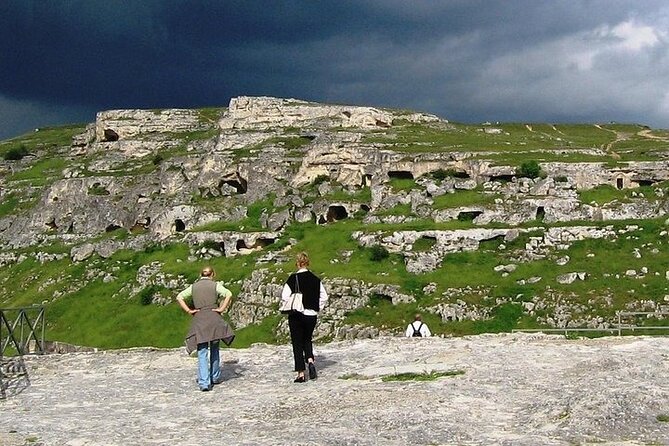
One of the most iconic visual moments is standing where the Cattedrale di Matera dominates the landscape from the Colle della Civita. The tour frames the cathedral’s Romanesque exterior and explains how it functions as a focal point for the Sassi surroundings.
Even though the visit here is quick (and admission is noted as free), the value is in the perspective. You learn how the city’s higher points act like anchors. When you later walk between neighborhoods, the cathedral becomes a mental landmark you can spot in your thinking—even if you’re not seeing it every step.
Via Muro: the panoramic walk that turns walking into a view
Then comes Via Muro, a short connection between the higher area and the Sasso Caveoso neighborhood. This is described as one of the most panoramic walks between Matera and the Murgia Materana Park, and that’s exactly what it feels like in a guided context: you’re walking while the landscape explains itself.
For me, this is a “don’t rush it” segment. It’s brief, but it’s where you get motion plus scenery, instead of standing and listening. If you’ve ever grown tired of tours that feel like constant stops, this part helps reset your energy.
And yes—this is also where heat can hit. One review mentioned intense temperatures around 35 degrees and the guide actively searching for shade. In other words: if the weather is hot, this walking stretch is where you’ll most appreciate a guide who paces intelligently.
Sasso Caveoso streets: narrow lanes, big atmosphere
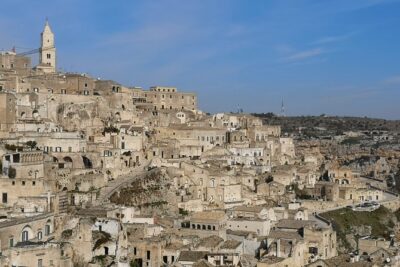
Now the tour shifts into the Sassi di Matera narrow streets of Sasso Caveoso. This is a key experience because it’s where you see the cave-dwelling concept in the “real” way—close up, on foot, and with the city texture around you.
The guide also makes the point that these streets ended up being used by film directors like Pasolini and others. Even if film trivia isn’t your thing, the underlying message is useful: Matera isn’t only preserved; it’s visually powerful. Walking the lanes helps you understand why.
This stop lasts around 30 minutes, which is just enough time for the street pattern to sink in without turning the walk into a long endurance test.
Casa Cisterna Sotterranea: water storage in carved stone life
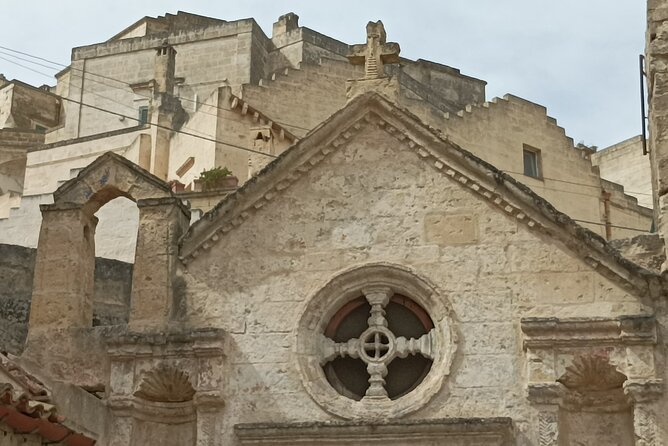
Next is Casa Cisterna Sotterranea, described as a characteristic example of a place created through rock excavation, with different uses over the long history of the city. The emphasis here is on function—especially how rain collection and storage shaped survival in a cave environment.
There’s also mention of a representation of rain collection inside a traditional peasant-style cave setting. That detail matters. It’s one thing to know caves existed; it’s another to understand how people treated water like a resource that had to be captured and managed.
If you like architecture, you’ll enjoy how this stop connects form to needs. The rock itself isn’t the story—the human use of it is.
Santa Lucia alle Malve: medieval necropolis above a rupestrian church
The tour then visits Chiesa rupestre di Santa Lucia alle Malve, tied to a medieval necropolis in the Malve neighborhood. This stop works best if you’re paying attention to layers: rock church, medieval afterlife use, and the surrounding sense of burial history.
The time is brief (about 10 minutes), but it adds a different angle to the whole tour. You’re not only seeing where people lived and worked—you’re seeing where they prepared for death and memory.
The grotto tasting in the Sassi: small time, big mood
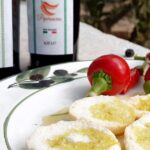
Later, you’ll spend time again in the Sassi area with tales and a small tasting of typical local products in a typical Sasso Caveoso grotto. This is one of the moments that turns the tour from “information” into “experience.”
Timing is important here. One part of the tour approach is that the guide asks who wants to do the tasting, so those who want it can stay with the group and those who don’t can adjust the pace. Practically, that means you should plan your time mindset: if you care about the tasting, say so early in the process and expect it to take about 15 minutes.
If you skip it, you’ll likely keep walking with the guide and still complete the rest of the route. The key is understanding it’s not a guaranteed long sit-down with a full meal—think of it as a quick, local flavor stop inside the cave setting.
Palazzo Lanfranchi museum stop: blending periods on one façade
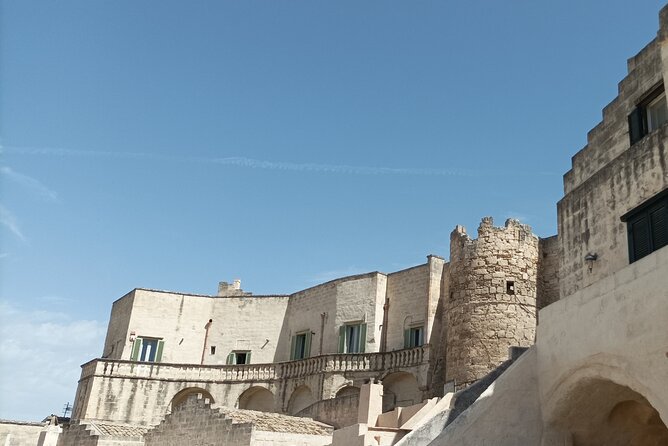
The tour includes Museo Nazionale d’Arte Medievale e Moderna della Basilicata, with attention to the architecture of Palazzo Lanfranchi and how elements from different periods form the façade. Even if you don’t plan to go deep into museum galleries, the guided stop helps you see why the building itself is worth attention.
This museum moment also helps correct a common misconception: Matera isn’t stuck in one era. You’ll see baroque churches and Romanesque exteriors, but also modern-looking architectural ideas in the later stretches of the tour.
Baroque churches and the City of Piano feel: Chiesa del Purgatorio and San Francesco
After the cave-world focus, the route moves back toward the City of Piano with Chiesa del Purgatorio (a baroque church) along a modern/contemporary promenade. Then there’s a walk in Piazza San Francesco to look at the baroque façade of Chiesa di San Francesco d’Assisi.
These stops help you understand how Matera’s “up top” areas connect to the Sassi below. It’s also a nice rhythm change: you’re stepping away from tight lanes into open squares and broader sightlines.
Via del Corso and the Razionalist era: Matera’s 20th-century faces
Near the end, the tour takes you along Via del Corso to see contemporary architecture of the historic city—including 1900s residences of landowners and three examples of Razionalist architecture from the fascist era: the Palace of the Post Office, the Insurance, and the Bank of Naples.
This is a fascinating pivot because it expands what you think Matera is. Even if your main reason for going is the Sassi, these final stops add context for how the city kept evolving after the cave-dwelling era.
If you’re the type who likes seeing how different periods physically coexist in one city, this part will click. It also makes the ending feel satisfying, not like the tour just stops.
Price and time: does $41.54 feel fair?
At $41.54 per person, this tour lands in the mid-range for guided city walks that include entry fees. The value comes from the combination: a structured route across major viewpoints, rock churches, the Cave House and rock church visit are explicitly included, and you get a small-group guide who explains what you’re seeing.
It also matters that the tour is about 3 hours. That’s a sweet spot for first-time visitors: long enough to understand the logic of Matera’s layout and cave architecture, short enough that you still have time to wander afterward on your own.
My practical advice for value: don’t treat it like a photo sprint. If you’re the kind of traveler who likes to ask questions and listen for meaning, you’ll get more out of the time you’re paying for.
Who should book this Spanish Sassi tour
I’d book this if:
- you want a guided understanding of Sassi architecture rather than just wandering
- you prefer the city story in Spanish
- you like small groups and a guide who explains the details behind caves, churches, and public spaces
- you’re comfortable walking and handling uneven stone streets for a few hours
I might skip it if:
- you want a fully self-paced experience where you can spend long stretches in one church or grotto without group timing
- you’re very limited in mobility and prefer smoother, flatter routes (this tour involves panoramic walks and rock-street movement)
- you’re hoping for a long, sit-down food experience instead of a short tasting stop
Should you book it?
If you’re visiting Matera for the first time and want the Sassi to make sense, this is a strong choice. Nicola’s style—clear explanations, answers to questions, and a focus on the city’s formation and cave life—seems to be the core reason people leave feeling they understood more than they expected. Add in the included cave-house and rock church time, and the $41.54 price starts to feel like paying for a translator of stone.
Just go in with realistic timing: it’s about three hours of walking and stops, with a short tasting moment that depends on group interest and pace. With that mindset, you’ll get a tour that turns Matera’s rocks into an actual story you can carry with you after you leave.
FAQ
Is the tour in Spanish?
Yes. The tour is identified as a guided experience in Spanish.
How long is the guided tour?
It runs for about 3 hours (approx.).
Where does the tour start and end?
It starts at Piazza Vittorio Veneto, 23, 75100 Matera MT, Italy, and ends back at the same meeting point.
How many people are in the group?
The tour has a maximum of 12 travelers.
What’s included in the tour?
A visit to the Cave House and rock churches is included. The itinerary also notes admission tickets included at multiple stops.
Is there a tasting during the tour?
The route includes a small tasting of typical local products inside a Sasso Caveoso grotto.
What language does the guide speak?
The tour is listed as being guided in Spanish.
Is a mobile ticket used?
Yes, it includes a mobile ticket.
Can I cancel for free?
You can cancel for a full refund if you cancel at least 24 hours in advance. Within 24 hours, the amount paid is not refundable.
Is this tour suitable for most people?
Most travelers can participate, and service animals are allowed.
More Tours in Bari
- Matera: Sassi Tour with Cave House and Rupestrian Church
★ 4.7 · 6,618 reviews - Polignano a Mare: Cave Boat Tour with Aperitif
★ 4.7 · 1,891 reviews - Discover Matera, the ancient city – English tour
★ 5.0 · 1,771 reviews - Guided Tour of Matera Sassi
★ 4.5 · 1,312 reviews - Bari’s Ultimate Street Food Tour – Small Group by Do Eat Better
★ 5.0 · 1,187 reviews - Polignano a Mare boat tour emotions, caves, diving and appetizers
★ 5.0 · 1,022 reviews
More Tour Reviews in Bari
- Matera: Sassi Tour with Cave House and Rupestrian Church
★ 4.7 · 6,618 reviews - Polignano a Mare: Speedboat Cruise to Caves with Aperitif
★ 4.8 · 3,382 reviews - Polignano a Mare: Cave Boat Tour with Aperitif
★ 4.7 · 1,891 reviews - Discover Matera, the ancient city – English tour
★ 5.0 · 1,771 reviews - Guided Tour of Matera Sassi
★ 4.5 · 1,312 reviews - Polignano a Mare: Boat Trip, Swim & Cave with Aperitif
★ 4.8 · 1,300 reviews
More Matera Sassi Day Trips
- Matera: Sassi Tour with Cave House and Rupestrian Church
★ 4.7 · 6,618 reviews - Discover Matera, the ancient city – English tour
★ 5.0 · 1,771 reviews - Guided Tour of Matera Sassi
★ 4.5 · 1,312 reviews - Tour di Alberobello e Matera in bus privato da Bari
★ 4.8 · 701 reviews - Matera: Sassi Tour with Entry to Rock Houses and Churches
★ 4.6 · 622 reviews - Tour of Alberobello and Guide to Matera, from Bari
★ 4.7 · 478 reviews