Matera feels like a city carved from time. With a local guide, you’ll get smart context fast, plus you’ll enjoy the big-picture views from Piazzetta Pascoli and the candlelit feeling of the frescoes at St. Lucia alle Malve. I like that this isn’t just photos and pass-by stops; you’re walking through places that still feel lived-in.
One thing to consider: the walking is in historic stone areas, and the tour isn’t suitable for wheelchair users—so wear comfy shoes and expect some uneven ground and steps.
In This Review
- Key highlights worth aiming for
- Why a 2-hour Matera walk hits the sweet spot
- Getting your bearings at Piazzetta Pascoli
- Sasso Caveoso: where the rock becomes a neighborhood
- Sassi di Matera and the Museum stop that adds context
- Church of San Pietro Caveoso and the power of contrast
- Frescoes in a cave setting: St. Lucia alle Malve
- The furnished casagrotta: what a “lived-in” cave changes
- Price and value: is $164.26 fair for 2 hours?
- Who this tour suits (and who should look elsewhere)
- A practical way to plan your 2 hours
- Should you book this Matera Sassi walking tour?
- FAQ
- Where does the tour start?
- How long is the Matera walking tour?
- Is this a private group tour?
- What languages is the guide available in?
- What is included in the price?
- Which stops will you visit?
- Is the tour wheelchair accessible?
- Can I get a full refund if I cancel?
- Is reserve now, pay later offered?
Key highlights worth aiming for
- UNESCO Sassi di Matera, plus European Capital of Culture context: You’ll understand why this place is internationally protected and culturally important.
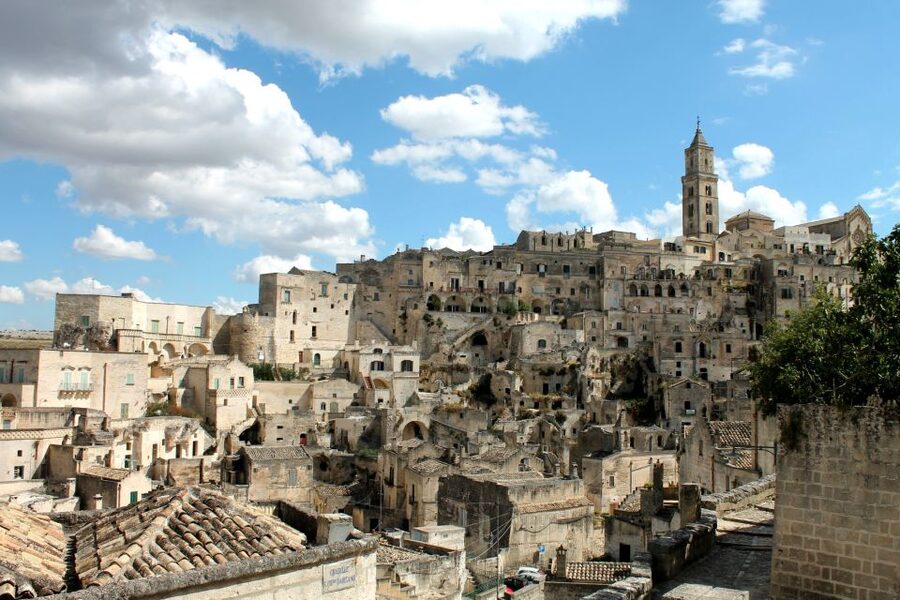
- Piazzetta Pascoli viewpoints: You see how the cathedral bell-tower overlooks the Sassi and the Sasso Caveoso.
- Sasso Caveoso cave dwellings: These homes connect you to habitation going back to Paleolithic times.
- Frescoed rupestrian churches: You visit cave churches where art and architecture were built into the rock.
- A furnished casagrotta visit: Seeing a traditionally decorated cave house adds real texture to the story.
Why a 2-hour Matera walk hits the sweet spot
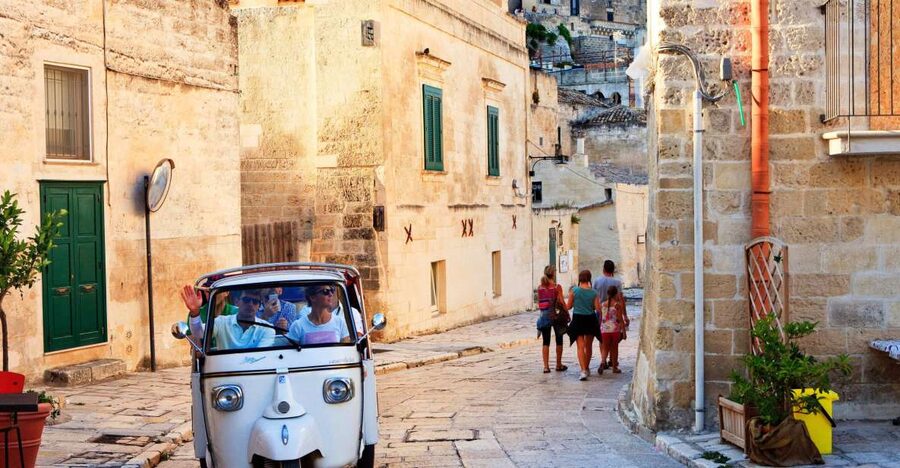
Matera is one of those cities where you can’t fully get it from a single viewpoint. The best experience comes when you move—slowly, on foot—so your eyes adjust to the rock churches, the cave facades, and the way streets fold into the Sassi.
This tour keeps the pace manageable: 2 hours means you’re not spending half the day in transit or lost in open-ended wandering. Instead, I like how you get a sequence of key areas—starting at Piazzetta Pascoli, then moving through Sasso Caveoso and the surrounding Sassi—so your understanding builds like a map in your head.
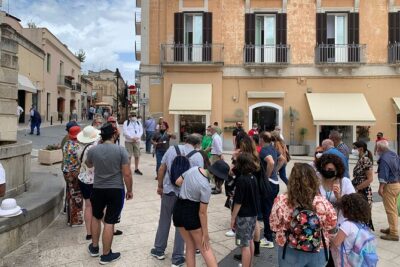
And because it’s a private group, you’re not competing with a huge crowd for the guide’s attention while you’re trying to figure out what you’re looking at. You’ll still be in shared spaces, but the experience is designed around guided focus.
More Matera Sassi day trips that leave from Bari
Getting your bearings at Piazzetta Pascoli
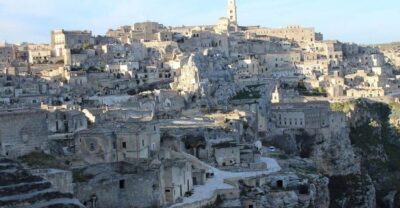
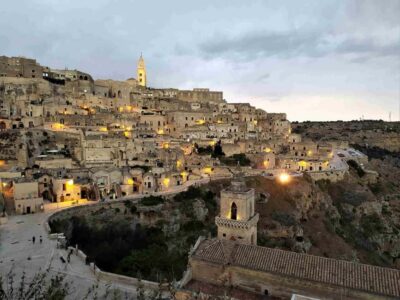
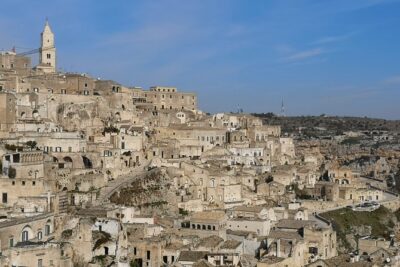
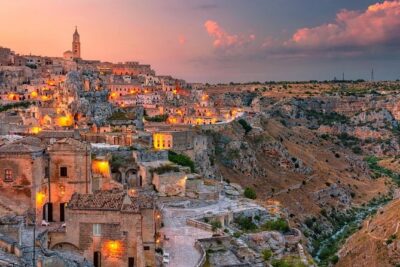
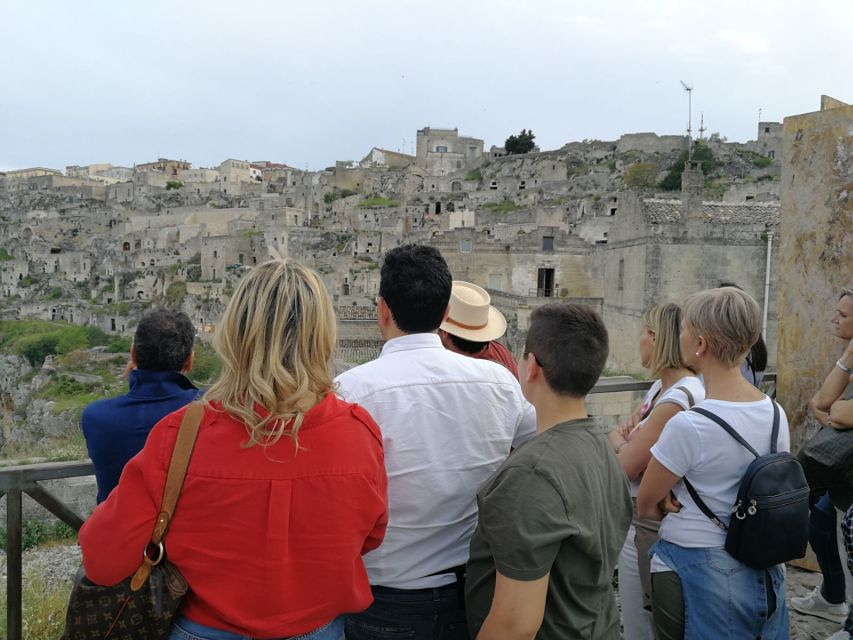
Your tour begins at the agency area in Matera, then you meet at Piazzetta Pascoli, a natural staging point for orientation. This is where Matera makes immediate sense. From here, you can look toward the cathedral bell-tower and see the Sasso Caveoso laid out below, like an old neighborhood stacked into the hillside.
This stop matters more than it sounds. If you start with a view, the rest of the walk becomes easier to follow. Instead of just stepping from one cave doorway to another, you’ll understand how the built environment sits in relation to the higher cathedral area.
Also, this is the part where Matera’s movie reputation feels real. The Sassi-style urban development here has long attracted filmmakers, including Pasolini and Mel Gibson. You don’t need to be a film buff to appreciate that—when you see the architecture in person, it’s obvious why directors would want this look.
Sasso Caveoso: where the rock becomes a neighborhood
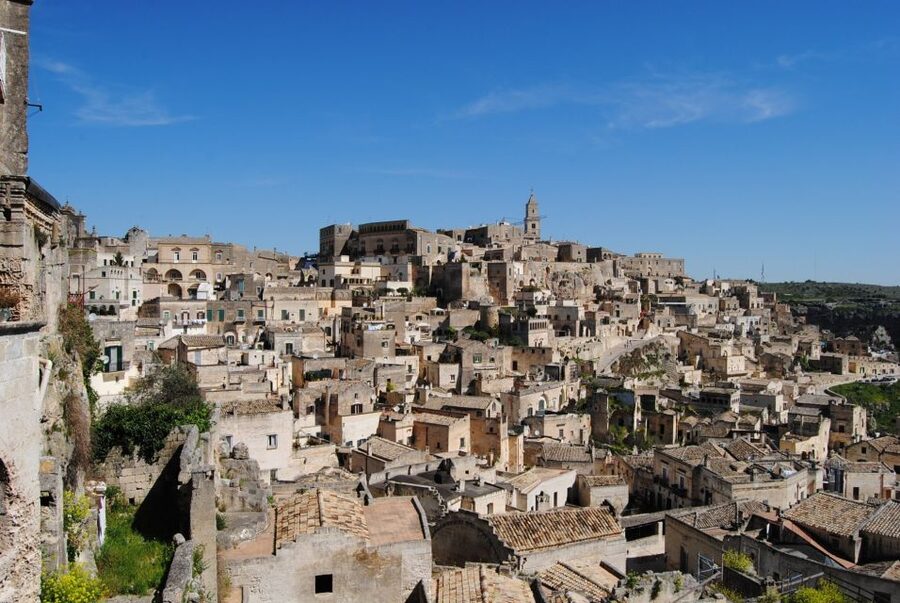
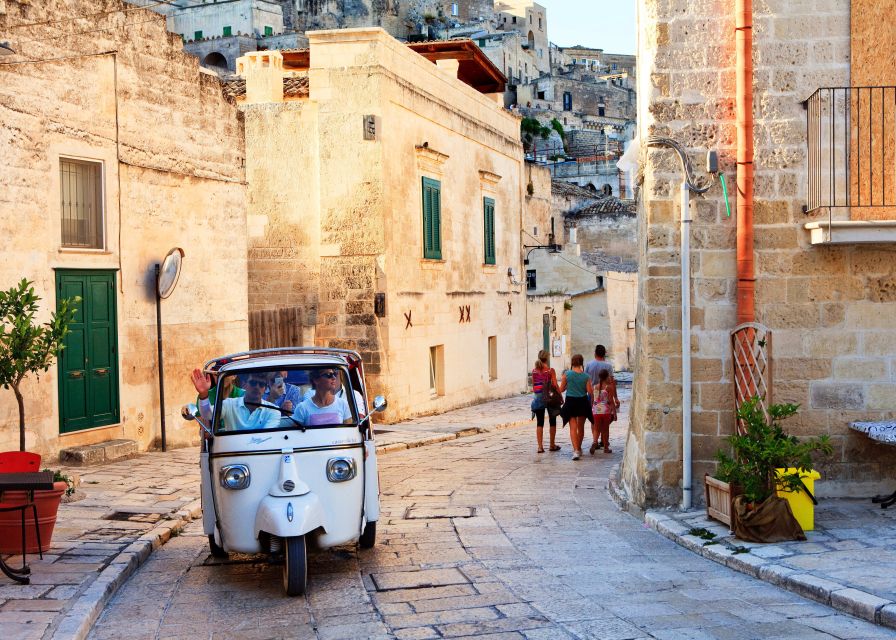
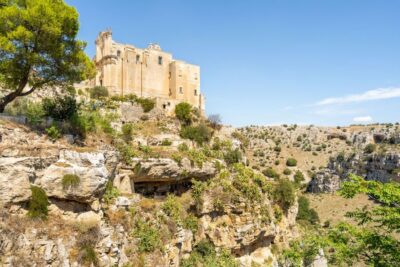
After the viewpoint orientation, the tour heads into the heart of Sasso Caveoso. This is where you start recognizing patterns: cave entrances, staggered levels, and churches that feel built into the cliff face rather than placed in front of it.
The guide’s walk-through is the key value here. When you’re told these cave buildings were inhabited since Paleolithic times, it changes the vibe. Suddenly you’re not just looking at old buildings; you’re looking at evidence of survival skills—how people made shelter, storage, and community space by using the rock itself.
What I love about this part is the way it encourages you to look up and sideways. Many people come to Matera expecting dramatic views only. Here, your attention shifts to the details: the geometry of openings, the way interiors likely connect to daily life, and the sense that the city grew in layers.
The main practical consideration: cave areas can be visually complex. If you want the best experience, slow down mentally. Let the guide’s explanations connect the dots before you rush to take photos.
Sassi di Matera and the Museum stop that adds context
You’ll continue through the Sassi di Matera with guided interpretation, then transition to Museo Nazionale di Matera for historical and cultural grounding.
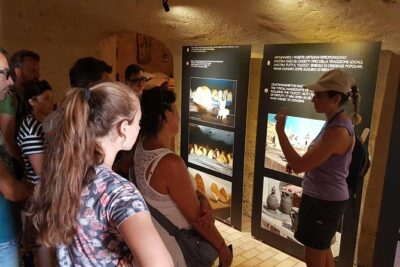
This museum time is a useful counterweight to the outdoor walking. Matera’s caves can look timeless, but a good museum stop helps you place what you’re seeing into broader timelines—how the site became known, how people lived in different eras, and how the area’s identity evolved into a modern cultural landmark.
One detail worth noting: the tour also references Palazzo Lanfranchi, home to the Museum of Medieval and Modern Art of Basilicata, and the Baroque district buildings in the wider area. Even if you don’t spend a long stretch there, the guide’s mentions help you notice connections outside the cave streets: the contrast between rock architecture and later architectural styles.
If you prefer action over interpretation, you might feel the museum portion is shorter than you’d like. But in a 2-hour format, it gives you just enough context to make the cave churches and homes land harder.
More Bari walking tours through the old town lanes
- Bari: Pasta Experience Walking Tour★ 4.7 · 660 reviews
- Bari Walking City Tour★ 4.5 · 511 reviews
- Matera’s Sassi Walking Tour – History & Culture★ 5.0 · 476 reviews
- Bari: Walking Street Food Tour★ 4.7 · 458 reviews
- Sassi di Matera: Guided Walking Tour with Cave House/Church★ 4.7 · 343 reviews
Church of San Pietro Caveoso and the power of contrast
One of the most interesting stops is San Pietro Caveoso. The standout feature is the sense of contradiction: a Baroque facade in front, with older layers of meaning underneath.
This contrast is exactly why Matera works so well on a guided walk. From the street, you might only register the visible style. With the guide’s context, you can connect the facade style to deeper history and see the church as part of an evolving landscape, not a single-era monument.
In practical terms, plan for what cave churches usually mean for your attention span: you’ll want a moment to look, then a moment to listen, then another quick look after the explanation. The best photos usually come when you pause and let the space settle into your eyes.
If you’re the type who likes architecture as a story—how styles change while the rock remains the constant—this stop is a highlight.
Frescoes in a cave setting: St. Lucia alle Malve
The tour includes time for a frescoed rupestrian church, and specifically points you toward St. Lucia alle Malve, described as one of the most interesting cave churches in the area.
This is the part that can feel almost theatrical. Frescoes inside cave churches look different than frescos in open-air churches—because the walls hold onto shadow and texture. It creates a more intimate viewing experience, and it’s easier to understand why these spaces were more than just religious stops.
I like that the tour doesn’t treat the artwork as decoration. It positions the fresco visit as a way to connect with the people who shaped these spaces over centuries.
If you’re someone who wants to do the art first and read the architecture later, you may have to flip that approach. The cave setting rewards you for slowing down and letting the story build.
The furnished casagrotta: what a “lived-in” cave changes
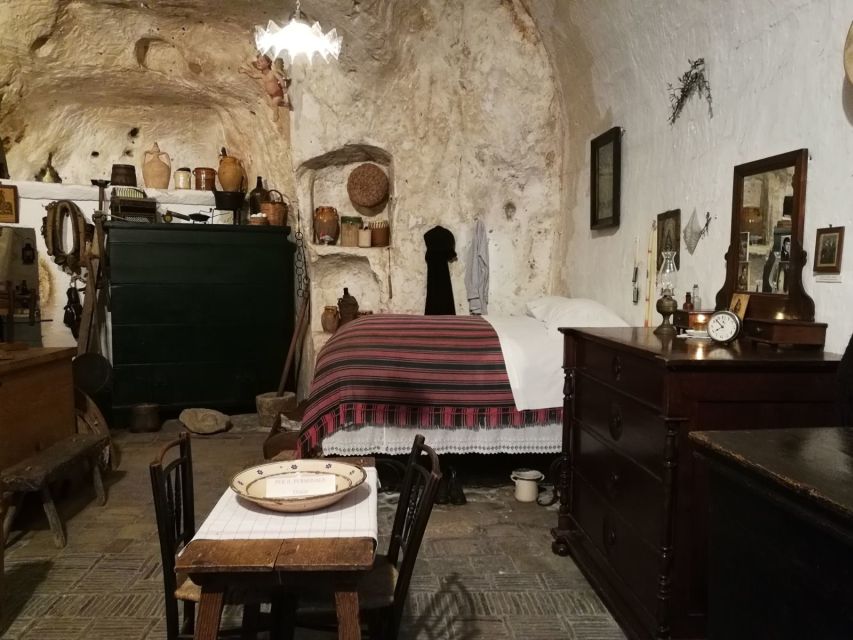
One of the most valuable parts of the tour is the visit to a furnished cave-house (often described as a casagrotta) decorated according to ancient traditions. This is included as a ticketed experience, not just a photo stop.
When you step into a furnished cave interior, the whole city shifts. From outside, cave homes can seem like architectural curiosities. Inside, you start imagining daily routines: where people slept, how space was organized, and what kind of household life fit into rock-built conditions.
This stop is also where the tour can feel most memorable for people who love authenticity. You’re not just looking at what remains; you’re seeing what life looked like when someone cared about details enough to decorate and furnish the space in a traditionally informed way.
One consideration: cave-house entries can feel time-sensitive because other visitors may be inside at the same time. If you’re the type who hates waiting, bring patience and focus on the moments you get inside—because the furnished interior is where the tour’s meaning clicks.
Price and value: is $164.26 fair for 2 hours?
At $164.26 per person for a 2-hour private guided walk, the price isn’t “budget.” But it’s not totally out of line either—because you’re paying for more than a stroll.
Here’s what that fee covers in the way the tour is described:
- a certified local guide
- multiple structured stops across the Sassi area
- ticketed access to a rupestrian church with frescoes
- ticketed access to a typically furnished casagrotta cave-house experience
- a museum visit included in the plan
In other words, you’re paying for guide-led transitions plus admissions that you’d likely have to book or figure out yourself if you traveled independently. Matera’s Sassi are best experienced with interpretation, and this tour gives you that interpretation plus paid entry time.
Where the value can feel shaky is if you’re hoping for long, building-by-building deep analysis in a short window. Two hours is tight. You’ll get a curated route and a strong overview, but it’s not designed to be an all-day research seminar.
If you want a focused first visit and you like guided storytelling tied to specific places, I’d call the price reasonable. If you want lots of time inside every cave space, you may wish you had more hours.
Who this tour suits (and who should look elsewhere)
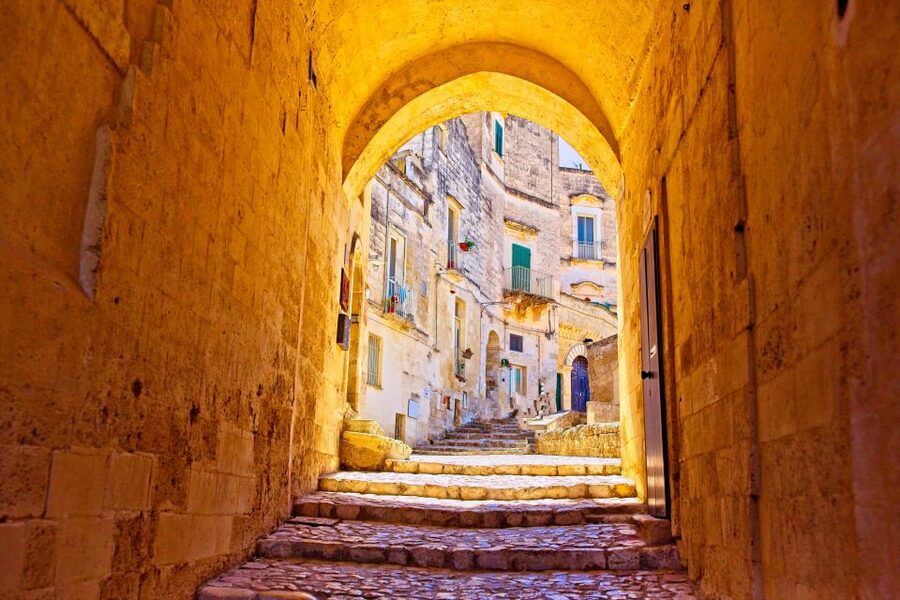
This Matera walking tour is a strong fit for:
- first-time visitors who want quick orientation and a guided path through the Sassi
- travelers who like architecture + atmosphere, not just landmarks
- people who care about how daily life and art show up together in cave churches and cave homes
- anyone who appreciates concise structure in a compact city visit
It may be less ideal if:
- you need mobility options beyond stairs and uneven stone (it’s not suitable for wheelchair users)
- you hate time limits and want long museum wandering
- you prefer independent exploration without scheduled entrances to cave spaces
If you’re traveling with kids, it can work if they’re comfortable with walking and short stops, but the cave interiors and fresco viewing may require flexibility. For most adult first-timers, though, it’s well designed.
A practical way to plan your 2 hours
To get the most out of the route, I recommend you show up ready to move your feet and your eyes. Comfortable shoes are a must, since you’re walking through historic stone streets and entering cave settings.
Also, treat the viewpoints as “reset points.” From Piazzetta Pascoli, you’ll get a mental map. Use it. Then, when you step into Sasso Caveoso, keep returning to that mental image so the area stops feeling like random rock streets and becomes an organized neighborhood.
Finally, if you care a lot about the furnished cave-house moment, pay attention during that segment. That’s where the tour’s included ticket time should be most satisfying—because that’s when Matera stops being scenery and becomes a place with daily-life texture.
Should you book this Matera Sassi walking tour?
If you want a guided introduction that connects UNESCO-level significance with specific places—views, cave dwellings, fresco churches, a furnished casagrotta, plus museum context—this tour is a very good fit.
I’d book it if you value a structured route and you like seeing more than just exteriors. The fresco stop and the furnished cave-house experience are the main reasons to choose this format, and the 2-hour timing keeps the day efficient without turning Matera into a checklist.
I might skip or compare alternatives if you’re seeking long time inside museums and caves, or if mobility constraints are a concern. In that case, you’ll likely feel the limited duration more than the average visitor.
If your goal is a smart first visit where the Sassi makes sense quickly, this one is worth your attention—especially at the moment when the rock churches and cave interiors start to feel like a real, living city.
FAQ
Where does the tour start?
The tour starts at Martulli Viaggi Agency via Alessandro volta 3/5, with the walking tour meeting at Piazzetta Pascoli.
How long is the Matera walking tour?
The tour duration is 2 hours.
Is this a private group tour?
Yes, this activity is listed as a private group.
What languages is the guide available in?
The live guide is available in Spanish, English, French, German, and Italian.
What is included in the price?
Included are a certified local guide, and tickets for a rupestrian church with frescoes and a typically furnished casagrotta (furnished cave-house).
Which stops will you visit?
You’ll visit Piazzetta Pascoli, Sasso Caveoso, Sassi di Matera, Museo Nazionale di Matera, the church of San Pietro Caveoso, and also a frescoed cave church (Church of St. Lucia alle Malve) and a furnished cave-house experience.
Is the tour wheelchair accessible?
No. The tour is not suitable for wheelchair users.
Can I get a full refund if I cancel?
Yes. Free cancellation is available up to 24 hours in advance for a full refund.
Is reserve now, pay later offered?
Yes. The tour offers Reserve now & pay later, so you can book your spot and pay nothing today.
More Tours in Bari
- Matera: Sassi Tour with Cave House and Rupestrian Church
★ 4.7 · 6,618 reviews - Polignano a Mare: Cave Boat Tour with Aperitif
★ 4.7 · 1,891 reviews - Discover Matera, the ancient city – English tour
★ 5.0 · 1,771 reviews - Guided Tour of Matera Sassi
★ 4.5 · 1,312 reviews - Bari’s Ultimate Street Food Tour – Small Group by Do Eat Better
★ 5.0 · 1,187 reviews - Polignano a Mare boat tour emotions, caves, diving and appetizers
★ 5.0 · 1,022 reviews
More Tour Reviews in Bari
- Matera: Sassi Tour with Cave House and Rupestrian Church
★ 4.7 · 6,618 reviews - Polignano a Mare: Speedboat Cruise to Caves with Aperitif
★ 4.8 · 3,382 reviews - Polignano a Mare: Cave Boat Tour with Aperitif
★ 4.7 · 1,891 reviews - Discover Matera, the ancient city – English tour
★ 5.0 · 1,771 reviews - Guided Tour of Matera Sassi
★ 4.5 · 1,312 reviews - Polignano a Mare: Boat Trip, Swim & Cave with Aperitif
★ 4.8 · 1,300 reviews
More Matera Sassi Day Trips
- Matera: Sassi Tour with Cave House and Rupestrian Church
★ 4.7 · 6,618 reviews - Discover Matera, the ancient city – English tour
★ 5.0 · 1,771 reviews - Guided Tour of Matera Sassi
★ 4.5 · 1,312 reviews - Tour di Alberobello e Matera in bus privato da Bari
★ 4.8 · 701 reviews - Matera: Sassi Tour with Entry to Rock Houses and Churches
★ 4.6 · 622 reviews - Tour of Alberobello and Guide to Matera, from Bari
★ 4.7 · 478 reviews