You can taste Apulia and see how it was made. This Masseria Spina tour blends a practical walking route through an old fortified farm with an Apulian tasting that’s more than just a quick snack. I like that you get the “why” behind the setting—church, towers, press, and working areas—before you sit down for food. I also like the structure: a small group stroll (max 10) that stays tight to a 2-hour schedule.
One thing to consider: the tasting is a sampler, not a full meal. If you expect oil-and-wine pairings or a big spread, you’ll want to ask about oil and wine tastings (available on request), and you may judge value based on how hungry you are.
In This Review
- Key things I’d circle before you go
- Masseria Spina in Parco Rurale: what you’re really touring
- The guided walk: from settlement paths to fortified defense
- Masseria Spina Grande’s red facade and the Baroque church stop
- Underground olive press and dye works: production sites you can actually picture
- The Apulian food tasting: what’s included and how to pace it
- Price and time: is $50 a fair trade for 2 hours?
- Small-group format and language options: comfort without crowd chaos
- Who should book this Monopoli tour (and who should pass)
- Quick practical tips for a smoother visit
- Should you book this tour?
- FAQ
- How long is the Monopoli Masseria Spina tour with food tasting?
- What is included in the Apulian food tasting?
- What does the tour price include?
- What languages is the guide available in?
- Where is the meeting point?
- Is the tour wheelchair accessible?
Key things I’d circle before you go
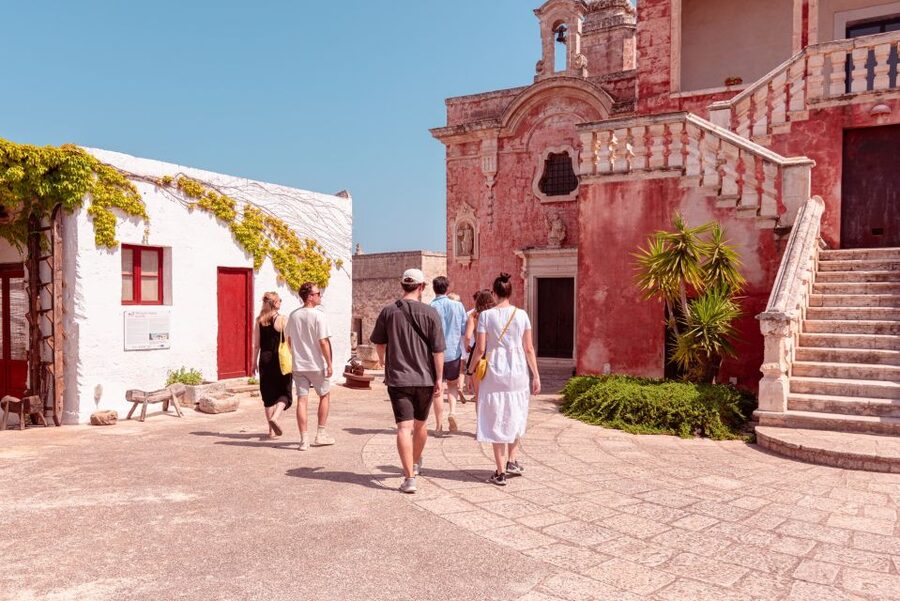
- Masseria Spina’s red main building: a standout visual anchor for the whole visit
- Spina Piccola Fortified Tower: the first stop that helps you read the site’s defense mindset
- Underground olive press: proof that this place wasn’t just pretty buildings
- Rupestrian settlement + necropolis: you’ll move through spaces tied to daily life and burial traditions
- Apulian food tasting at the end: pastries, jams, cold cuts/cheeses, sweets, coffee, and water
- Small group format: limited to 10 participants for a more guided feel
Masseria Spina in Parco Rurale: what you’re really touring
Monopoli’s Parco Rurale isn’t a typical “walk past stone buildings and take photos” deal. It’s a working piece of the landscape—built for defense, food production, and community life—turned into a historical park where you can follow a route with a guide.
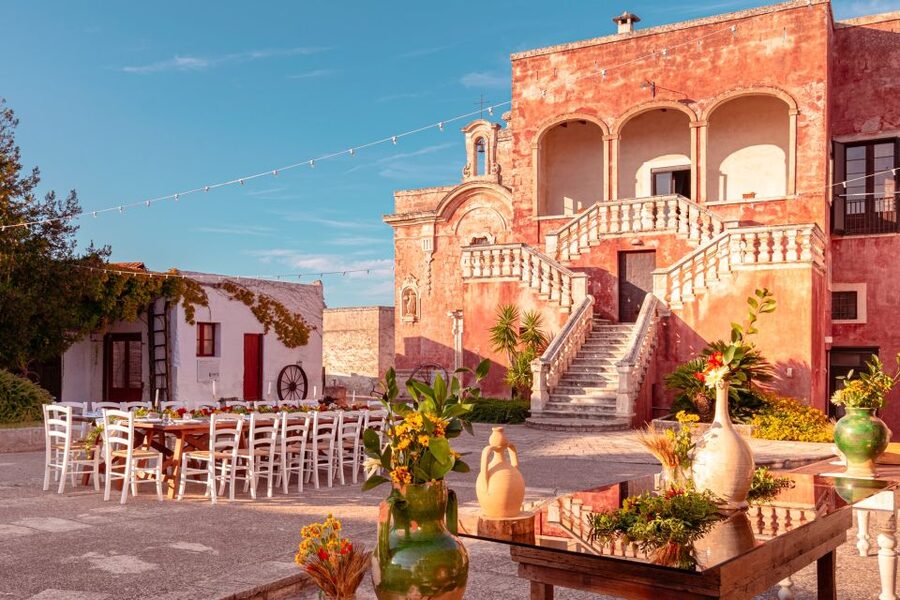
At the heart of it is Masseria Spina, a fortified farmhouse complex in Apulia. The complex includes multiple points of interest: a Baroque church, fortified tower structures, and the big red Masseria Spina Grande facade you’ll keep seeing as a visual reference. That red color matters more than it sounds. It gives you orientation as you hop between different areas of the settlement and industrial spaces.
This is one of the reasons I think the experience works. You’re not just “seeing history.” You’re walking through a place designed to function—religion at the church, protection in the towers, and food production in the press and processing areas. And then the tour ends with food choices that tie back to the same local economy.
More Bari street food walks through the old town lanes


The guided walk: from settlement paths to fortified defense
You start at the Parco Rurale – Historical Tour, Tasting & Experiences meeting point at Masseria Spina Resort in Monopoli. From there, the walk is paced so you can absorb the main features without feeling rushed.
The route begins with the historical park grounds and moves through parts of the rupestrian settlement, including the necropolis and the Minor Church. A rupestrian settlement is built into rock (or shaped by it), and even without technical jargon, you can feel what that would mean: stable dwellings carved to fit the environment, and a settlement layout that grew around existing terrain.
Next comes a key “read the site” moment: the Spina Piccola Fortified Tower, described as the first fortified structure. Fortified farmhouses are a very Apulia thing, especially when you think about farming outside a city and needing protection. Seeing the tower early on helps you understand later stops. You’ll start noticing how different structures fit together—religious spaces, living spaces, and defense logic.
After the tower, you’ll pass through an internal citrus grove, which is an important shift in tone. It’s not just ruins. It’s a reminder that this area wasn’t only about defense and burial. It also produced crops, processed resources, and fed people.
This part of the walk is where a good guide really earns their fee. The tour is live and available in Italian and English, and the point is to help you connect the physical spaces to the food and daily routines tied to Apulia.
Masseria Spina Grande’s red facade and the Baroque church stop
Then you’ll come into one of the most photogenic and, honestly, most informative moments: the external facade of the Masseria Spina Grande. The main building’s defining red look isn’t random decoration. It becomes a landmark that helps you remember where you’ve been, and it frames the complex like a centerpiece.
Right around this phase, you’ll also see the Baroque Church of the Immaculate Conception. Baroque church architecture is meant to create emotion—drama, structure, and a sense of presence. In a place like this, the church feels especially meaningful because it sits inside a fortified agricultural complex. That blend matters: faith and labor weren’t separate worlds here.
What I like about ending the walk with these “signature” structures is that you get a clear arc. You start with the settlement and burial areas, get introduced to fortification, shift into agricultural production (citrus grove), and then land at the visual and spiritual centerpiece of Masseria Spina Grande and its church.
If you’re someone who likes meaning behind what you’re looking at, this section is worth it. If you’re only interested in fast photos, you might move a bit quicker than the guide—but the guide is the difference between a pretty stop and an understandable one.
Underground olive press and dye works: production sites you can actually picture
Not every historical food tour includes the “how it worked” places. This one does—because after the guided walk through the settlement and main buildings, you head toward production areas like the ancient underground olive press and the dye works.
The underground olive press stop is especially valuable. Olive oil is one of Apulia’s signature products, and seeing a press facility—even at a glance—gives you a grounded view of what “olive country” means beyond postcards. You’re not just buying oil later. You’re walking past the kind of infrastructure that made it possible.
Next up is the dye works. The tour description doesn’t spell out every technical detail, so you shouldn’t expect a lecture-level industrial history lesson. But it hints at something bigger: this place wasn’t only growing crops. It was also involved in processing materials—turning resources into usable goods.
That’s a big part of why this tour feels different from a standard “church + tower + snack” formula. It connects the built environment to the local economy. You’ll finish the walk knowing there’s a chain: agriculture → processing → products → daily life, and then food tasting at the end becomes a logical follow-up.
More Monopoli and Adriatic coast outings from Bari
- Monopoli: 2.5 Hour Boat Tour to the Polignano a Mare Caves★ 4.8 · 223 reviews
- Monopoli Shared tour by Gozzo boat to the Polignano caves★ 5.0 · 164 reviews
- Alberobello, Monopoli Polignano Small Group Guided Tour from Bari★ 5.0 · 104 reviews
- Monopoli: Exclusive Shared Boat Tour★ 4.9 · 93 reviews
- Boat tour from Monopoli to the caves of Polignano a Mare★ 4.5 · 77 reviews
The Apulian food tasting: what’s included and how to pace it
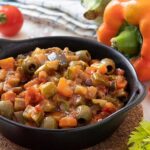
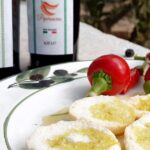
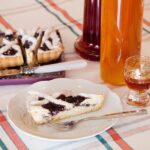
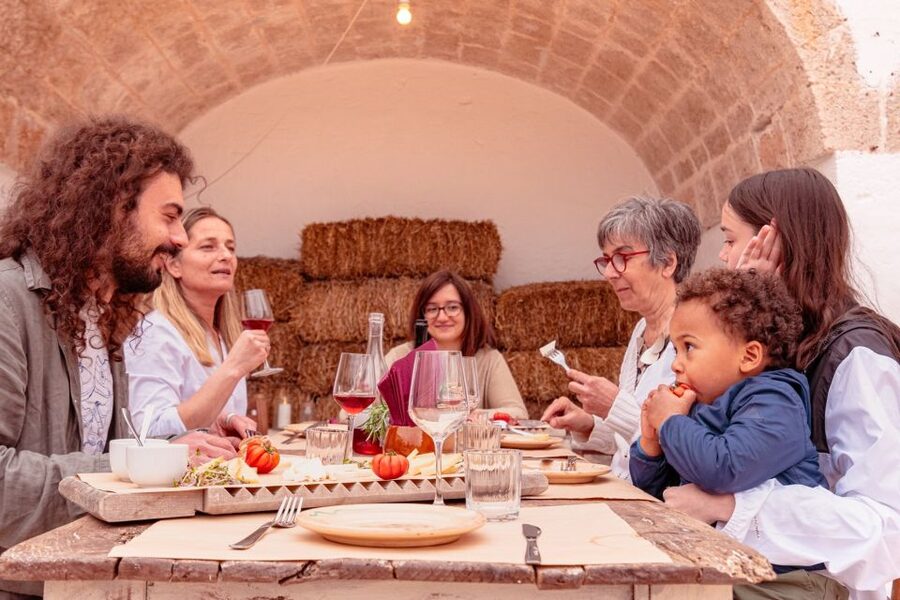
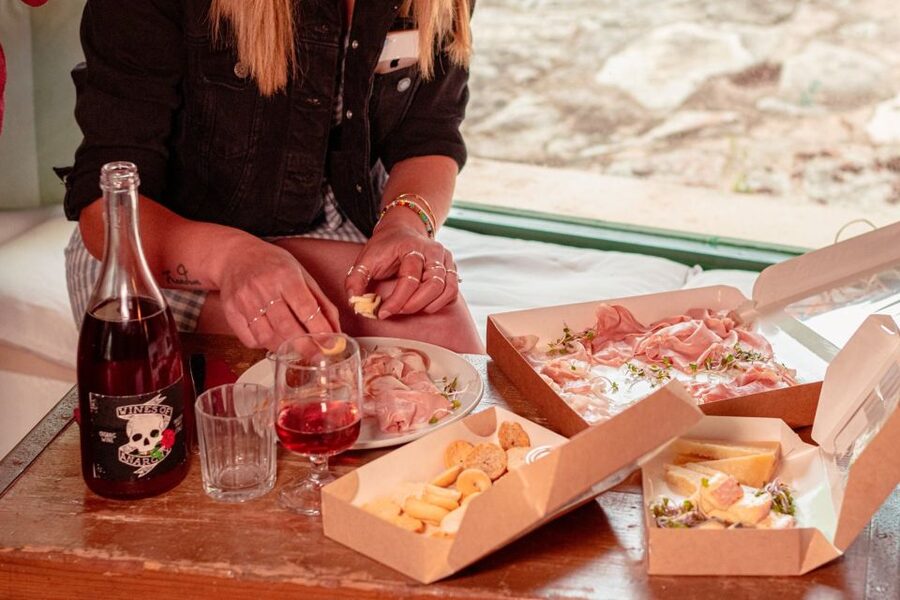
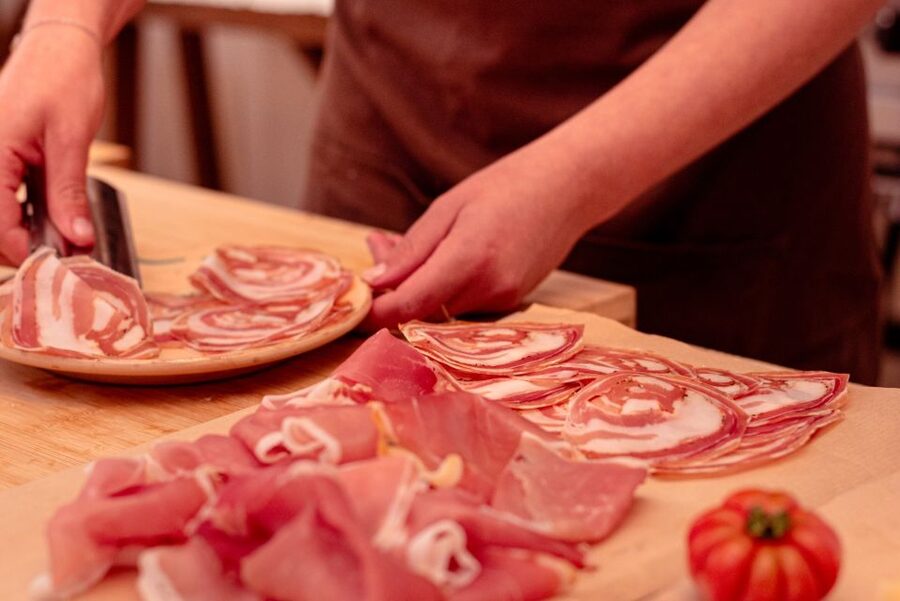
After the walking tour, you get a food tasting designed to cap the experience with local flavors. The tasting includes:
- pastries
- local jams
- a board of cold cuts and cheeses
- local sweets
- coffee and water
The tasting is a sampler, so think of it as a “best-of Apulia” landing pad rather than a full lunch. That’s a plus if you only have a couple hours. It’s a drawback if you’re starving or hoping the tasting replaces a meal.
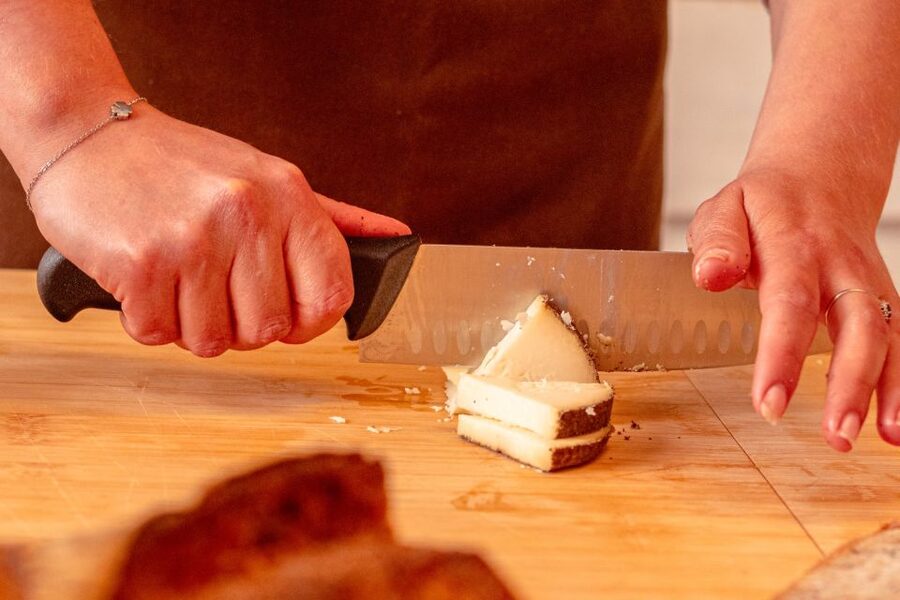
Here’s how I’d pace it for the best experience: take your time with the cheeses and cold cuts first, then let the sweets come at the end. The jams and sweets are sweet enough that it helps to have something savory in your stomach before dessert mode. Coffee is included, and it can easily turn into a lingering moment—so if you’re sensitive to caffeine, plan your pace.
Also, keep your expectations realistic about pairing. Oil and wine tastings aren’t included, though they’re available on request. If you want those add-ons, you’ll get more value by planning around them rather than assuming they come automatically.
Price and time: is $50 a fair trade for 2 hours?
The price is listed at $50 per person, and the tour runs about 2 hours. You’re also paying for more than narration. You’re paying for:
- a guided walk through the Parco Rurale historical park
- the park entry ticket
- a structured food tasting afterward
- a small group setup (max 10)
So where does value really come from? It’s the combination of guided interpretation + entry access + food that connects to the places you just walked through. If you tried to do it alone, you’d likely spend time figuring out where to go, and you might miss the “why this tower, why this church, why this press” thread.
That said, value is personal. One caution from the pricing side: if you’re comparing this to casual tastings at a shop, the price can feel higher because this includes a park visit and guide time. On the other hand, if you enjoy walking tours and want a tasting that ties to what you’ve seen, the $50 price can feel reasonable for a tight 2-hour window.
Also keep in mind the timing. This isn’t a half-day dig. It’s a focused sprint, which is great if you’re managing a Monopoli schedule and want something that fits between other plans.
Small-group format and language options: comfort without crowd chaos
The tour is capped at 10 participants, which matters more than you might think. Smaller groups help the guide keep your pace aligned and give you a better chance to ask questions, especially when the stops include production spaces like the underground press and the dye works.
You can also expect the tour guide in Italian and English. That language clarity can make or break a historical visit. Even if your Italian is basic, an English-led option keeps the meaning intact, especially for terms like necropolis, fortified tower, or the functional role of a masseria.
One more practical note: the info includes conflicting wheelchair guidance—wheelchair accessibility is mentioned, but it also states it’s not suitable for wheelchair users. Because of that mismatch, I’d treat mobility access as a “check first” item. If you need wheelchair access, contact the operator before booking so you don’t get stuck with unpleasant surprises.
Who should book this Monopoli tour (and who should pass)
I’d point this tour toward you if:
- you like Apulia food and want it connected to place, not just eaten off a plate
- you enjoy walking tours where you learn what specific buildings were for
- you’re short on time and want a 2-hour plan with entry + tasting built in
- you want a manageable group size and a guide-led route through multiple features
I’d consider skipping (or swapping for a different style of visit) if:
- you want a long sit-down meal with big portions
- you’re expecting wine to come with the tasting (oil and wine are available on request, not included)
- you have mobility needs and need clear, confirmed wheelchair compatibility
If you’re the type who likes your vacation with structure—walk, learn, taste—this fits nicely.
Quick practical tips for a smoother visit
This is a walking tour inside a historical park, so plan like you’re on your feet for about 2 hours. Wear comfortable shoes with good grip and keep your water needs in mind (water is included with the tasting, but you may still feel better with your own bottle if you run hot).
Bring a camera if you like architectural shots, because Masseria Spina Grande and the fortified tower views are the kind of visuals that look better in person than in your head. And if you’re food-motivated, keep a little room in your day schedule. The tasting is good, but it’s still a sampler.
If you’re booking around changing plans, this activity offers free cancellation up to 24 hours in advance and a reserve-and-pay-later option (so you can hold your spot without immediate full payment).
Should you book this tour?
Yes, if you want a compact Monopoli experience that combines fortified farmhouse history with a real Apulian tasting. For $50 and two hours, it’s one of those smart choices that gives you multiple payoffs: you learn what makes Masseria Spina work as a historical site, then you eat the flavors that connect to Apulia’s local products.
Before booking, decide what kind of hunger you’re carrying. If you’re expecting a full lunch plus wine, adjust your expectations and consider adding oil and wine tastings on request. And if mobility is a concern, confirm accessibility details directly so you’re not guessing.
If that sounds like your kind of day, this is a solid bet.
FAQ
How long is the Monopoli Masseria Spina tour with food tasting?
The tour lasts 2 hours.
What is included in the Apulian food tasting?
The tasting includes pastries, local jams, a board of cold cuts and cheeses, local sweets, coffee, and water.
What does the tour price include?
The price includes the guide, the walking tour, the Parco Rurale historical park entry ticket, and the Apulian food tasting.
What languages is the guide available in?
The live guide is available in Italian and English.
Where is the meeting point?
You meet your guide at Parco Rurale – Historical Tour, Tasting & Experiences at Masseria Spina Resort in Monopoli.
Is the tour wheelchair accessible?
The information provided is mixed: it says wheelchair accessible, but it also lists it as not suitable for wheelchair users. It’s best to check with the operator before booking.
More Tour Reviews in Bari
- Matera: Sassi Tour with Cave House and Rupestrian Church
★ 4.7 · 6,618 reviews - Polignano a Mare: Speedboat Cruise to Caves with Aperitif
★ 4.8 · 3,382 reviews - Polignano a Mare: Cave Boat Tour with Aperitif
★ 4.7 · 1,891 reviews - Discover Matera, the ancient city – English tour
★ 5.0 · 1,771 reviews - Guided Tour of Matera Sassi
★ 4.5 · 1,312 reviews - Polignano a Mare: Boat Trip, Swim & Cave with Aperitif
★ 4.8 · 1,300 reviews
More Monopoli & Adriatic Coast Trips
- Monopoli: 2.5 Hour Boat Tour to the Polignano a Mare Caves
★ 4.8 · 223 reviews - Monopoli Shared tour by Gozzo boat to the Polignano caves
★ 5.0 · 164 reviews - Alberobello, Monopoli Polignano Small Group Guided Tour from Bari
★ 5.0 · 104 reviews - Monopoli: Exclusive Shared Boat Tour
★ 4.9 · 93 reviews - Boat tour from Monopoli to the caves of Polignano a Mare
★ 4.5 · 77 reviews - Monopoli: Walking Street Food Tour
★ 4.5 · 67 reviews
More Bari & Puglia Street Food Walks
- Bari’s Ultimate Street Food Tour – Small Group by Do Eat Better
★ 5.0 · 1,187 reviews - Bari: Walking Street Food Tour
★ 4.7 · 458 reviews - Polignano a Mare: Catamaran Tour with Aperitif & Local Food
★ 4.9 · 249 reviews - The Original Street Food Walking Tour in Bari
★ 4.5 · 226 reviews - Bari: Street Food Walking Tour with Wine Tasting
★ 5.0 · 211 reviews - Bari Street Food Bike Tour
★ 5.0 · 174 reviews