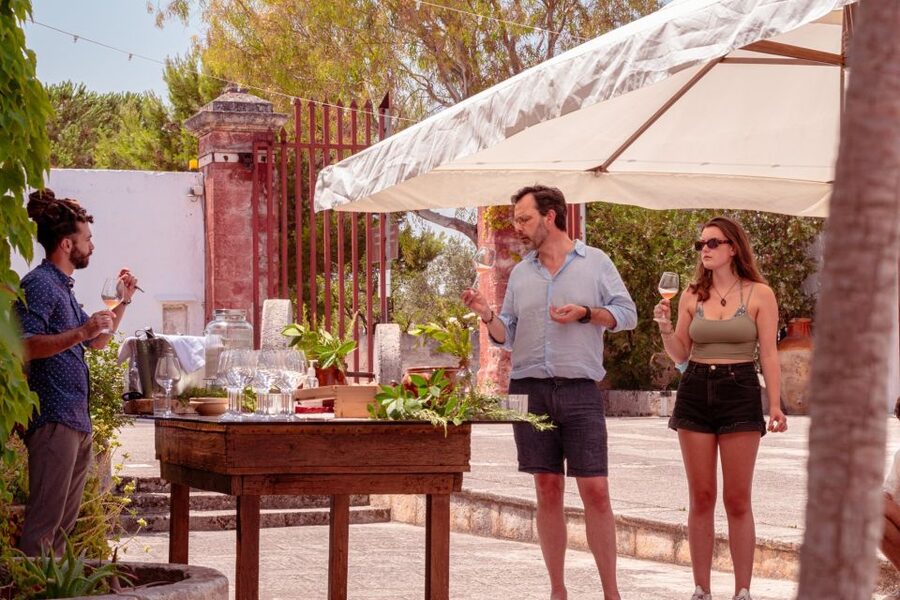
Three wines, one ancient estate, zero rush. This Parco Rurale tour at Masseria Spina in Monopoli ties together architecture, old farming life, and an Apulian wine tasting that makes the past feel practical. I also love how the route is paced as a guided walk through specific points of the estate, not a vague stroll.
I like that you get expert storytelling while you’re still moving, including the fortified structures and the rock-cut settlement that most visitors miss. And I especially like the wine part, led by a professional sommelier; guides such as Maria and wine experts like David have clearly been doing this for real.
One drawback to consider: it’s a walking tour and it’s not listed as suitable for pregnant women. Also, it’s light on food unless you request extras, so plan accordingly if you’re hungry.
In This Review
- Key points before you go
- Masseria Spina in Monopoli: why this Parco Rurale walk feels different
- Entering the estate: rupestrian settlement, necropolis, and the Minor Church
- Spina Piccola Fortified Tower and the citrus grove inside the walls
- The underground olive press and dye-works: where the production story clicks
- Masseria Spina Grande: red main structure facade and the Baroque Church of the Immaculate Conception
- The tasting: three Apulian wines with a sommelier
- Price and value: is $50 fair for a 2-hour estate + tasting?
- Who should book this Masseria Spina tour (and who might not)
- Should you book the Parco Rurale Masseria Spina tour and tasting?
- FAQ
- How long is the Monopoli Masseria Spina Parco Rurale tour?
- What languages are available for the guided tour?
- Where do we meet for the experience?
- What is included in the tasting?
- Is hotel pickup or drop-off included?
- Is the tour suitable for pregnant women?
Key points before you go
- Masseria Spina grounds: fortified tower, necropolis areas, and the Baroque church in one route
- Rupestrian settlement stops: you’ll see how people lived carved into the landscape
- Underground olive press and dye-works: the industrial side of old Apulia, explained
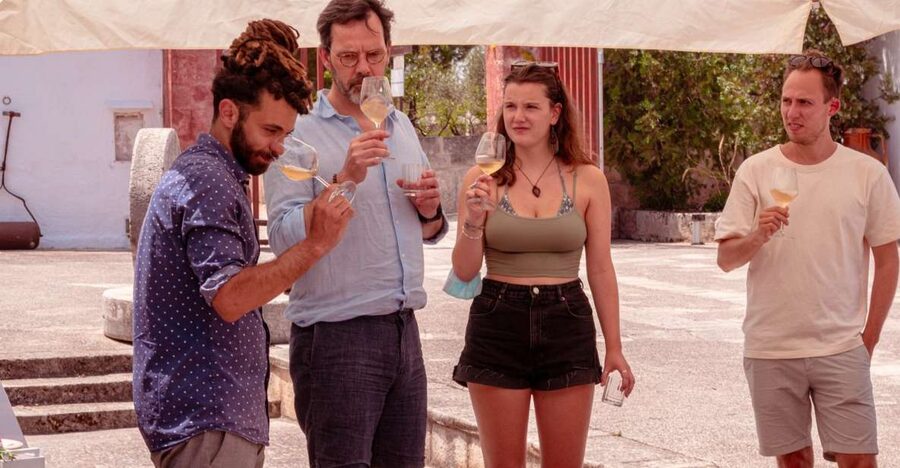
- Sommelier-led tasting: three Apulian wines paired with the story behind them
- Small time commitment: 2 hours works well for a Monopoli day plan
Masseria Spina in Monopoli: why this Parco Rurale walk feels different
If you like your history tied to daily life, this is a smart pick. At Masseria Spina, you’re walking through a working-feeling estate story: fortified points for defense, agricultural processing for oil, and religious buildings that anchored community life. Instead of just looking at buildings from the outside, you follow a guided path through the parts that explain how the place functioned.
I like that the tour is built around clear waypoints. You’re guided from the rupestrian settlement areas and necropolis zones toward the fortified tower, then on to structures linked to farming and production, and finally to the church. That flow makes it easier for you to connect what you see to the broader rhythm of Apulia: land use, defense, worship, and production all in the same complex.
Also, Masseria Spina isn’t a sterile museum stop. You’re in a historic rural setting where details matter. In the tour atmosphere, you can sense why old olive-growing traditions are such a big deal in this region, including mention of very old olive trees (some described as around 2000 years old).
More Monopoli and Adriatic coast outings from Bari


Entering the estate: rupestrian settlement, necropolis, and the Minor Church
Your tour starts right at Masseria Spina Resort in Monopoli, so you’re not spending time figuring out transfers or last-minute meeting points. From there, the walk begins with the more ancient layers of the property: the rupestrian settlement and necropolis areas, plus the Minor Church.
Here’s what makes these stops valuable for you. Rupestrian settlement areas show that this was never just a luxury residence. Rock-cut spaces and older settlement zones help you picture how people adapted to the terrain and resources. The necropolis element adds a different emotional tone. You’ll get guided context that turns what could be intimidating ruins into a readable story about community memory and burial traditions.
The Minor Church stop is a good mid-walk reset. It breaks up the more archaeological feeling of the rupestrian areas with a religious space that connects everyday devotion to the estate’s timeline. If you enjoy architecture and small-scale religious buildings, this part gives you a calmer pace before you move toward the more defensive features.
Practical note: this is still a walking tour. Wear comfortable shoes and be ready for outdoor uneven ground typical of historic sites.
Spina Piccola Fortified Tower and the citrus grove inside the walls
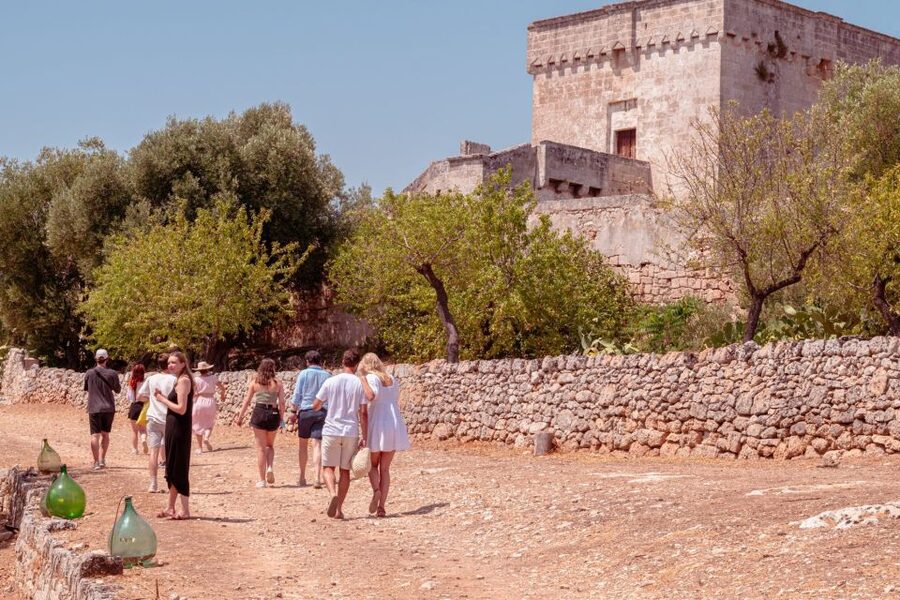
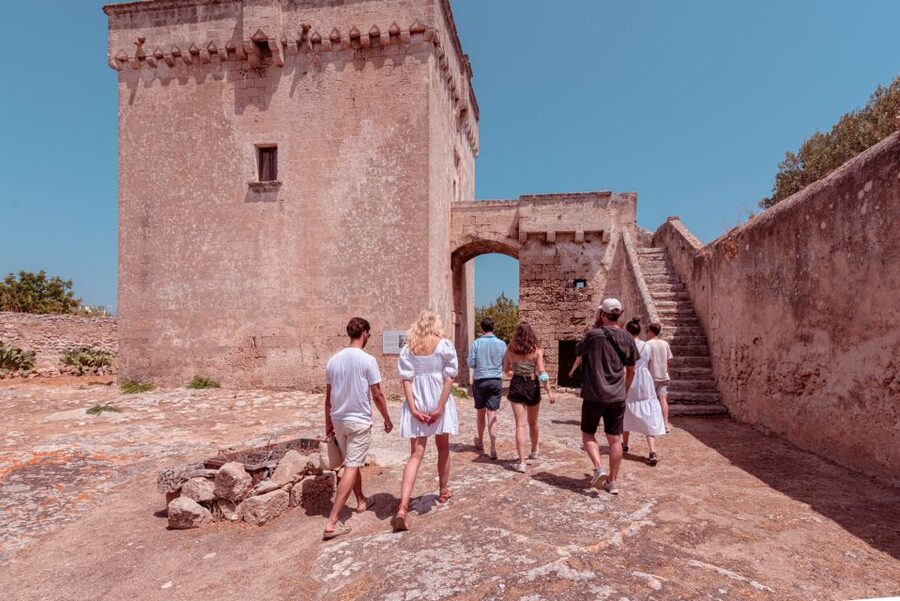
One of the most interesting points on this route is the Spina Piccola Fortified Tower, described as the first fortified structure. Fortified doesn’t mean you’re just looking at stone for show. You’ll learn why towers existed in this kind of countryside and what their presence meant for safety and control.
What I like for you here is the contrast. You’re walking from ancient settlement zones into a defensive structure, then learning how the estate worked as a whole. The tour also includes the tower’s internal citrus grove, which is a clever reminder that defense and food production weren’t separate lives. People guarded the land and still depended on it day-to-day.
If you’re the type who enjoys “how things actually worked,” this stop is one of the best. You’re not only seeing the tower; you’re hearing how the estate functions as a system: protection, cultivation, and storage all woven together.
The underground olive press and dye-works: where the production story clicks
This is the section that tends to make the tour stick in your memory. The route includes the ancient underground olive press and the dye-works. Even if you’re not a technical person, these stops give you a direct look at processing, not just living.
The underground olive press matters because it’s a clue about the effort behind olive oil. By placing the pressing activity below ground, the estate could control conditions and protect key workspaces. The guided explanations help you connect the physical structure to what people were trying to achieve: transforming harvest into oil efficiently enough to support the estate.
Then there’s the dye-works. This adds a layer you might not expect on an olive-centered outing. Dyes point to other crafts and production needs linked to fabrics and materials. It broadens the story beyond agriculture and shows how an estate could support more than one kind of work.
This section is also where you’ll probably understand why Apulia has such a strong identity around production. It’s not only about grapes or wine. It’s about the whole supply chain, the labor, and the buildings that made it possible.
More Bari food and drink outings, from focaccia to friselle
- Bari Street Food Bike Tour★ 5.0 · 174 reviews
- Ostuni: Olive Oil Tasting Tour★ 4.4 · 171 reviews
- Polignano a Mare: Apulian Cooking Class with Food and Drinks★ 4.8 · 159 reviews
- Polignano a Mare: Street Food Tour with Tastings and Wine★ 4.7 · 154 reviews
- Bari: Rickshaw Street Food Tour★ 4.8 · 129 reviews
Masseria Spina Grande: red main structure facade and the Baroque Church of the Immaculate Conception
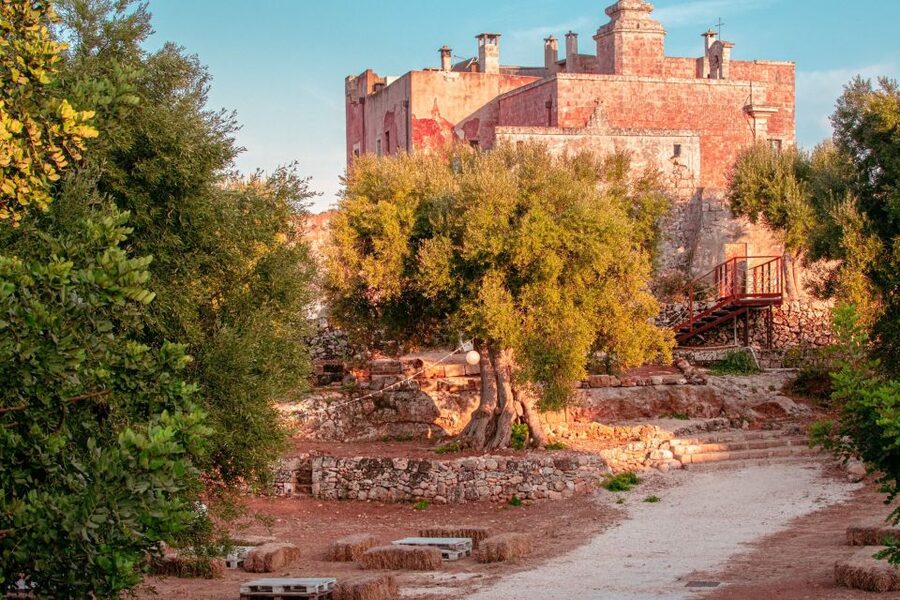
After the production-focused stops, the route shifts back into architecture and major landmarks. You’ll see the external facade of the Masseria Spina Grande, including the defining red main structure, plus the Baroque Church of the Immaculate Conception.
I like how this part of the tour gives your eyes a target. If you’ve been soaking in stone details and older underground spaces, the facade and main building can feel like a visual exhale. The red tone gives the estate a strong presence, and the guide’s context helps you understand why that kind of monumental building mattered as the centerpiece.
Then you’re led to the Baroque church. Baroque churches are theatrical by design, and this one adds a different flavor to the walk. Instead of thinking only about work and defense, you get religion, community ceremonies, and the visual language of devotion.
If you’re into art and religious architecture, this is a highlight. If you’re more history-first, it still works because it ties the estate’s timeline to what people valued enough to build in such a style.
The tasting: three Apulian wines with a sommelier
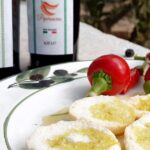
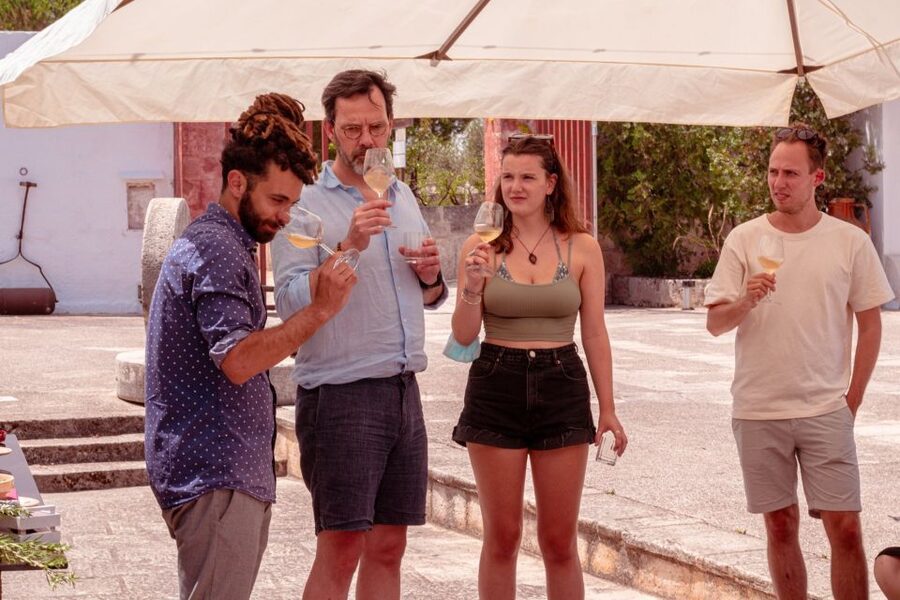
After the walk, you’ll move into the tasting portion: three Apulian wines selected from the cellar, guided by a professional sommelier. This is where the experience becomes more than sightseeing. You get to taste the region’s flavors with the context that came right before.
What’s worked especially well is the way the wine guidance connects the estate story to the glass. In past groups, the sommelier role has been filled by experts such as David, and guides like Ali or Maria have also been able to connect the broader Apulia picture with what you’re tasting. That kind of pairing matters. It helps you avoid the common wine-tour problem where you taste, nod, and forget everything five minutes later.
Now for the one thing you should double-check: the included-items section you may see mentions tasting three Apulian EVO oils, even though the core experience is described as a tasting of three Apulian wines. Both are plausible in the general style of this property, but the written details don’t match perfectly. Before you go, confirm what’s actually served in your session: wines, oils, or both.
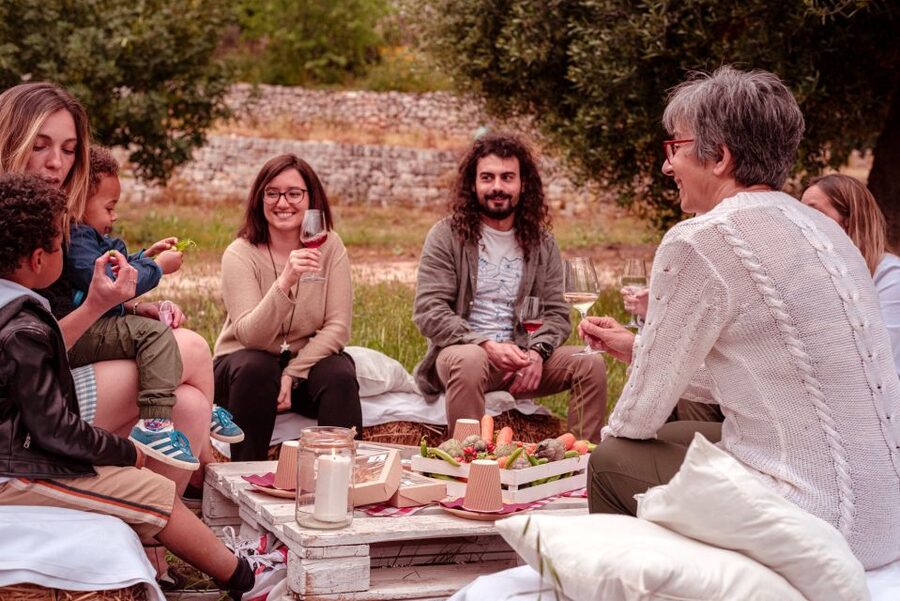
Either way, don’t expect this to be a full meal. If you want additional food or oil tastings, it’s listed as available on request. For me, that’s a good reason to eat before or after your 2-hour window, so you’re not hungry while focusing on tasting notes.
Price and value: is $50 fair for a 2-hour estate + tasting?
At about $50 per person and lasting 2 hours, the value depends on what you want. If you’re looking for a quick entry ticket plus a free-for-all self-guided wander, this isn’t that. But if you want interpretation, a real route, and a guided tasting, it’s easy to see why it’s popular.
Here’s what you’re paying for:
- Entry ticket to the Parco Rurale historical park area
- A guided walk across multiple estate features (settlement, necropolis zones, fortified tower, underground press, church)
- A sommelier-led tasting of three Apulian wines
That combination is the main value. One or two of those elements alone might be cheaper, but bundling them saves you time and makes the history land better. You’re not trying to guess your way through ruins and production spaces. You’re being guided while the details are fresh.
Also, the tour fits nicely into a Monopoli day. Two hours is short enough that you can still enjoy the town afterward without turning the day into a logistics marathon.
Who should book this Masseria Spina tour (and who might not)
This experience is a great match if you:
- Want a focused Monopoli activity that combines history and wine
- Enjoy guided interpretation more than just wandering
- Like Apulia for its production traditions, not only its scenery
- Prefer a structured 2-hour plan that doesn’t eat your whole afternoon
It might be less ideal if:
- You’re specifically looking for food-heavy tastings. The base session is a tasting, and extra food or oil is only mentioned as available on request.
- You’re pregnant, since it’s stated as not suitable for pregnant women.
- You want zero walking. This is an estate walk, so you’ll be on your feet.
If you’re traveling as a couple, this works well. If you’re traveling solo and like meeting people in smaller group settings, it also fits that style of trip.
Should you book the Parco Rurale Masseria Spina tour and tasting?
Yes, I’d book it if you want a time-efficient way to understand how estates in Apulia worked, then taste the wines afterward with real guidance. The strongest reasons to choose it are the stop-by-stop route through standout features like the fortified tower and underground olive press, and the fact that the tasting is handled by a sommelier rather than left to guesswork.
Before you finalize, do one quick check: confirm whether your session includes the three Apulian wines only, or if there’s also an EVO oil tasting included in your package. Once you’ve got that straight, you’ll be set for a 2-hour visit that feels like you’re learning how the place functioned, not just looking at it.
FAQ
How long is the Monopoli Masseria Spina Parco Rurale tour?
The tour runs for 2 hours.
What languages are available for the guided tour?
The live tour guide offers Italian and English.
Where do we meet for the experience?
You start in the same place as the meeting point in Masseria Spina Resort, Monopoli.
What is included in the tasting?
The experience is described as a tasting of three Apulian wines selected from the cellar, and there is also an included-items line that mentions tasting 3 Apulian EVO oils, so it’s worth confirming what your exact booking includes.
Is hotel pickup or drop-off included?
No. Hotel pickup and drop-off are listed as not included, though it notes they may be available on request.
Is the tour suitable for pregnant women?
No, it is listed as not suitable for pregnant women.
More Tours in Bari
- Matera: Sassi Tour with Cave House and Rupestrian Church
★ 4.7 · 6,618 reviews - Polignano a Mare: Cave Boat Tour with Aperitif
★ 4.7 · 1,891 reviews - Discover Matera, the ancient city – English tour
★ 5.0 · 1,771 reviews - Guided Tour of Matera Sassi
★ 4.5 · 1,312 reviews - Bari’s Ultimate Street Food Tour – Small Group by Do Eat Better
★ 5.0 · 1,187 reviews - Polignano a Mare boat tour emotions, caves, diving and appetizers
★ 5.0 · 1,022 reviews
More Tour Reviews in Bari
- Matera: Sassi Tour with Cave House and Rupestrian Church
★ 4.7 · 6,618 reviews - Polignano a Mare: Speedboat Cruise to Caves with Aperitif
★ 4.8 · 3,382 reviews - Polignano a Mare: Cave Boat Tour with Aperitif
★ 4.7 · 1,891 reviews - Discover Matera, the ancient city – English tour
★ 5.0 · 1,771 reviews - Guided Tour of Matera Sassi
★ 4.5 · 1,312 reviews - Polignano a Mare: Boat Trip, Swim & Cave with Aperitif
★ 4.8 · 1,300 reviews
More Monopoli & Adriatic Coast Trips
- Monopoli: 2.5 Hour Boat Tour to the Polignano a Mare Caves
★ 4.8 · 223 reviews - Monopoli Shared tour by Gozzo boat to the Polignano caves
★ 5.0 · 164 reviews - Alberobello, Monopoli Polignano Small Group Guided Tour from Bari
★ 5.0 · 104 reviews - Monopoli: Exclusive Shared Boat Tour
★ 4.9 · 93 reviews - Boat tour from Monopoli to the caves of Polignano a Mare
★ 4.5 · 77 reviews - Monopoli: Walking Street Food Tour
★ 4.5 · 67 reviews