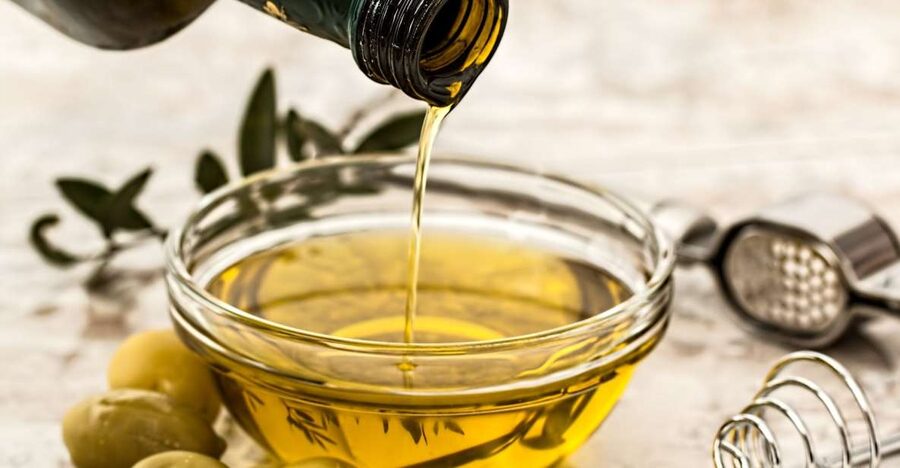
Strolling under ancient olive trees feels like time travel. This Ostuni olive oil tasting tour takes you through a working Masseria at Masseria Valente, then down into an old oil press and back up to a later mill—ending with a three-oil tasting paired with local bites. It’s one of the easiest ways to understand why Apulia’s extra virgin olive oil can taste so different from bottle to bottle.
What I like most is the combination of place and process: the grove itself (with trees said to be tied to Punic Wars-era veterans) and the two different production spaces, the hypogeum underground mill and the epigean above-ground one. The second thing I really enjoy is how the tasting pushes you beyond generic olive-oil talk and into real sensory differences, plus the food pairing (olives, tarallini, and fried broad beans). One caution: the tour is short (about an hour), so it’s not the choice if you’re hoping for a long, sit-down meal experience.
In This Review
- Olive Groves at Masseria Valente: Why This Starts So Strong
- Walking the Mill Path: From Tree Roots to Underground Presses
- The hypogeum oil mill (16th century): cool, old, and built for pressing
- The epigean oil mill (19th century): the next chapter above ground
- What to watch for during the tour
- The Three Organic Oils Tasting: What You’ll Actually Learn
- How to taste without overthinking it
- What makes the tasting feel credible
- If you want to buy bottles
- Food Pairings in Rural Puglia: Olives, Tarallini, and Fried Broad Beans
- Ostuni Photo Stop: A Quick Taste of Town Life
- Price and Duration: Is It Worth $53 for One Hour?
- How to make it feel like money well spent
- The one logistical thing to note
- Who Should Book This Olive Oil Tour (and Who Might Skip It)
- Quick Key Takeaways Before You Go
- Should You Book the Ostuni Olive Oil Tasting Tour?
- FAQ
- What is the meeting point for the Ostuni olive oil tasting tour?
- How long does the tour last?
- How much does the tour cost?
- What’s included in the tour?
- Is transfer included?
- What languages are the tour guide services in?
- What is the cancellation and payment option?
Olive Groves at Masseria Valente: Why This Starts So Strong
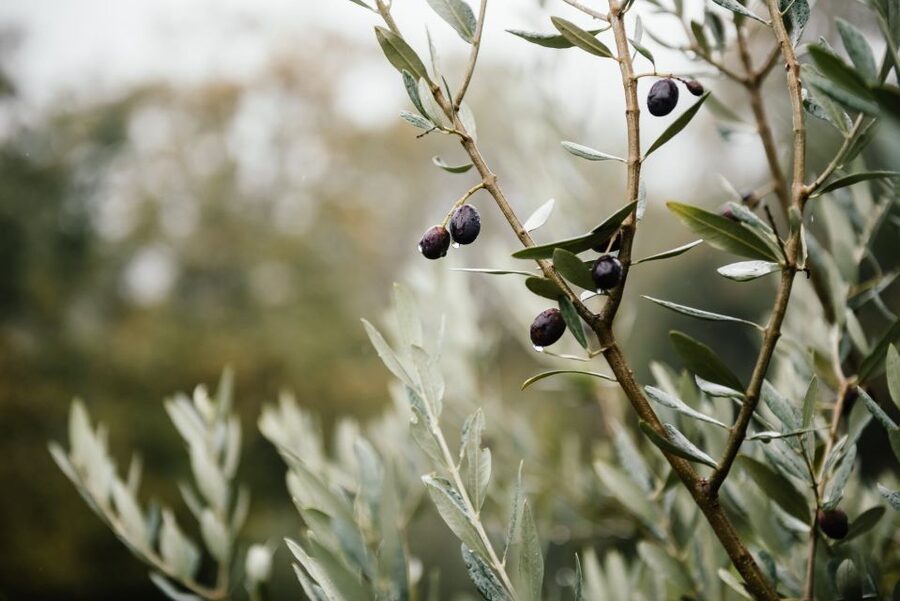
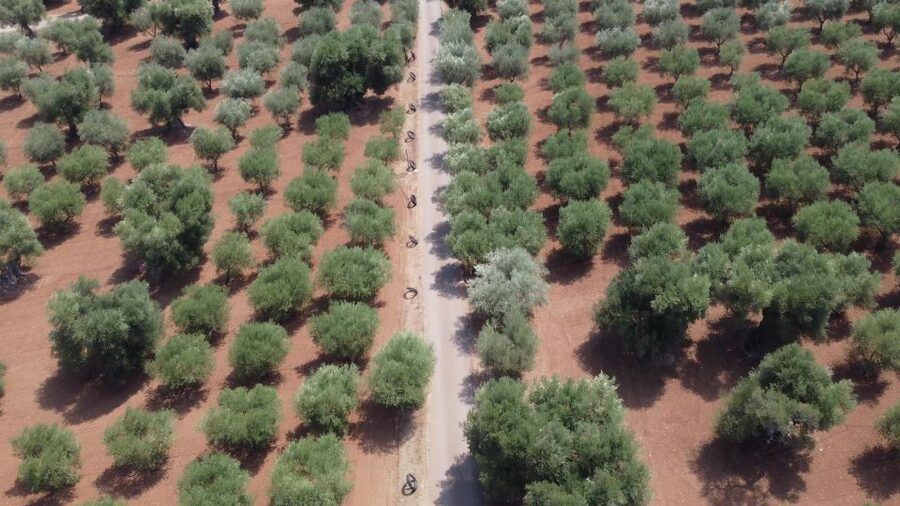
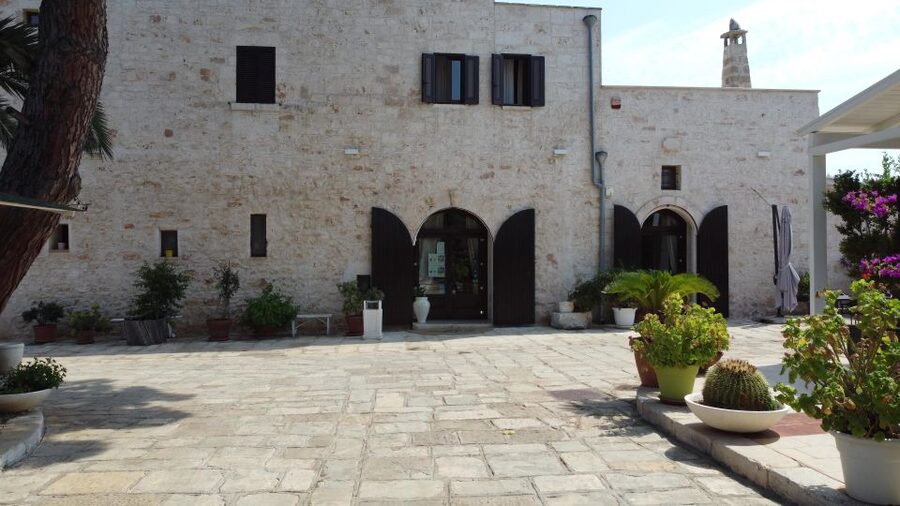
The tour begins at Masseria Valente, a traditional Apulian farm setting where the “introduction” isn’t a slide show—it’s a walk. You’ll move through rows of olive trees ranging from ancient and very old to younger plantings on the same estate. One detail that makes this tour memorable is the claim that some trees were planted over 2,000 years ago by veterans connected to the Punic Wars. Even if you treat that as part myth and part local storytelling, it still frames what you’re seeing: these are not decorative trees. They’re the raw material of an oil-making tradition.
You also get a sense of how the countryside shapes the flavor. The tour language leans toward explanation—how the trees are managed, why harvesting and pressing matter—but the setting does most of the convincing for you. The ground is quiet. The air has that unmistakable olive-grove smell. And you’re not stuck in an urban shop tasting flights; you’re tasting in the same environment that produces the oil.
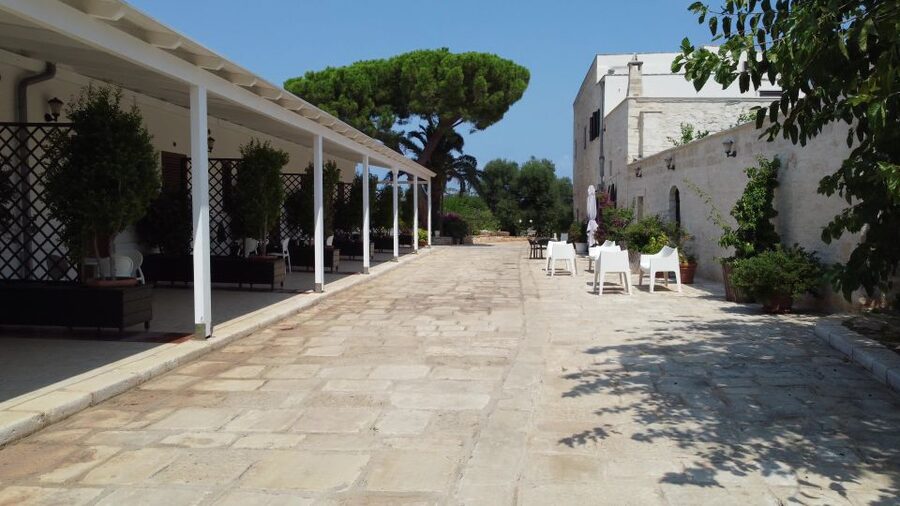
I’ll also note something practical from people who’ve visited: there’s a cafe and even a hotel on the property. So if you want to linger after the structured part, you’re not stuck hunting for a place to sit down.
Walking the Mill Path: From Tree Roots to Underground Presses
Next comes the part that turns olive oil from “a condiment” into something you can actually picture. You visit an old hypogeum oil mill—an underground pressing area dating to the 16th century—and then an epigean mill from the 19th century. In plain terms, this lets you see how the same core goal (turning olives into oil) stayed constant, while the setup changed over time.
More runs up to Ostuni the White City from Bari



The hypogeum oil mill (16th century): cool, old, and built for pressing
An underground mill has a logic you can feel. It’s sheltered and stable, which would’ve helped with heat management and workflow long ago. When you’re standing there, it’s easier to understand why traditional processing relied on stone spaces and carefully planned circulation of people and goods. People really react to this stop because it’s tangible: you’re not just hearing about methods—you’re looking at the original processing environment.
The epigean oil mill (19th century): the next chapter above ground
Then you move to the later, above-ground mill. This comparison matters because it gives you a timeline in physical form. You can walk from one style of production space to another and see how changes in the period likely influenced layout and operations. Even if you’re not a history nerd, this contrast helps your brain connect “old-world olive oil” to actual mechanics.
What to watch for during the tour
If you want to get the most out of the mill portion, slow down and ask basic questions in real time:
- How does pressing change depending on the setup?
- What does “extra virgin” mean in practice?
- Which step is most sensitive to timing?
The tour is led by a live guide, and depending on who you get, the way those answers land can vary—some visitors highlight very engaging, even funny delivery, while a small number mention limited English from the guide. If your English is solid but you prefer detailed back-and-forth, arrive with at least a couple of prepared questions so you’re not trying to invent them on the spot.
More masseria and olive grove days in the Bari countryside
- Ostuni: Olive Oil Tasting Tour★ 4.4 · 171 reviews
- Go where the Quad takes you★ 5.0 · 110 reviews
- Ostuni: Guided e-bike tour + countryside tasting stop★ 5.0 · 64 reviews
- Alberobello: Guided e-bike tour + mill & donkey farm★ 5.0 · 32 reviews
- Olive Oil Private Tour and Extra Virgin Olive Oil Tasting in Altamura★ 5.0 · 17 reviews
The Three Organic Oils Tasting: What You’ll Actually Learn
The tasting is the heart of the experience, and it’s structured around three organic oils. That matters more than it sounds. “Tasting olive oil” often means one pour and a polite nod. Here, the approach nudges you to compare and notice differences.
How to taste without overthinking it
You don’t need a sommelier’s routine. Just follow the tour’s rhythm and pay attention to a few simple things each time the oil is presented:
- Fruitiness (is it fresh and green, or softer and more mellow?)
- Bitterness and peppery finish (does it stay lively?)
- Aroma (do you get notes like grass, herbs, or something more muted?)
The pairing also gives your palate training wheels. If a particular oil tastes sharper on its own, it may balance beautifully with bread-like bites or with salty ingredients. That’s not just “flavor fun”—it’s how you’ll learn what olive oil works for your kind of eating back home.
What makes the tasting feel credible
A lot of tours talk about olive oil like it’s magic. This one focuses on the production story and then ties it back to taste. That’s why the mill visits aren’t just sightseeing. They’re set-up for your tasting brain.
Also, people mention specific guides by name—Maria, Angela, and Carla—so you may hear the story told by different personalities. The common thread is that the tastings and the explanations land as part of one coherent experience: tree → processing → oil → taste.
If you want to buy bottles
Many visitors leave with bottles. That makes sense because you’ll finally be able to connect what you like to what’s in the glass. If you’re buying, taste again right before you decide. Then ask the guide (or staff on-site) how they recommend using that oil—on vegetables, for finishing, or for simple eating with bread—so you don’t end up with a bottle you treat like decoration.
Food Pairings in Rural Puglia: Olives, Tarallini, and Fried Broad Beans
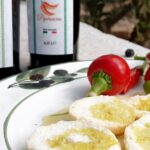
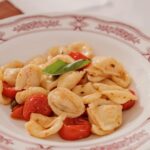
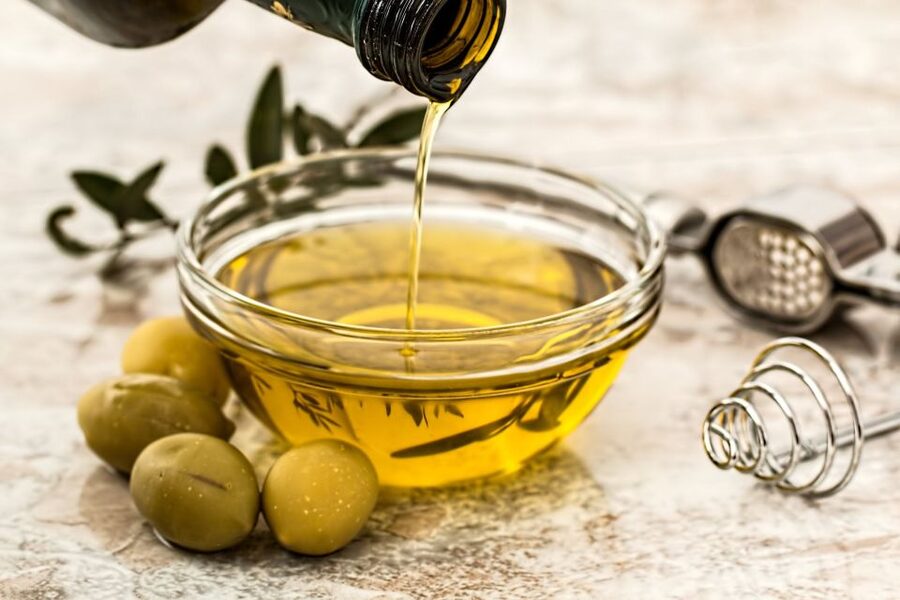
The tour includes tasting three oils paired with local staples: olives, tarallini, and fried broad beans. I like pairing tours like this because they give your palate a context. Olive oil doesn’t exist in a vacuum—it shows up in real meals, often with salty, crunchy, or savory bites.
Here’s what to expect taste-wise:
- Olives help you compare “olive flavor” in whole form versus oil form.
- Tarallini bring a crunchy, seasoned counterpoint that makes oil feel smoother or sharper depending on the oil.
- Fried broad beans add richness and salt, which can make peppery oils taste even more alive.
This is the kind of practical tasting knowledge you’ll actually use. When you get home and stand in front of shelves full of bottles, you’ll remember what kinds of oils cut through salt and fried foods, and which ones taste more delicate.
One nice bonus: some people mention extending the visit with appetizers and wine in the on-site dining room. That isn’t guaranteed as part of the core tour, but the property clearly supports lingering if you feel like turning the experience into a longer stop.
Ostuni Photo Stop: A Quick Taste of Town Life
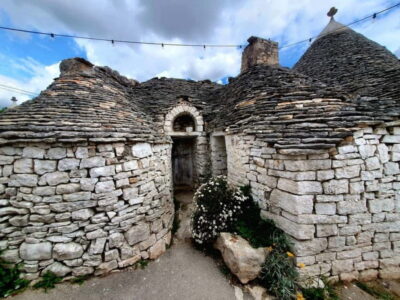
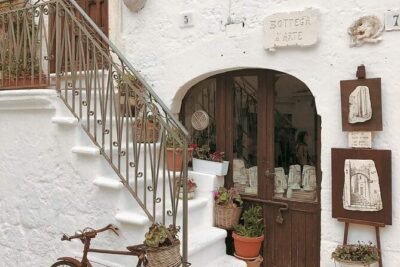
You also get a photo stop and time around Ostuni as part of the experience. Ostuni’s setting is the reason people fall for the town in the first place—bright, historic, and photogenic. In a short tour, the town stop won’t replace a full sightseeing afternoon, but it gives you a visual anchor so you remember this olive-oil story isn’t happening in an isolated pocket. It’s tied to the town and the region you came to see.
If you only have a day in Ostuni, this is helpful. If you have more time, you’ll want additional time in town afterward—because this tour’s main focus is the farm and the mills, not urban walking.
Price and Duration: Is It Worth $53 for One Hour?
At $53 per person for about 1 hour, the big question is value. Here’s my honest take: it’s fair if you want a focused, high-impact experience—trees, two mill environments, and a structured tasting with food pairing. It’s less ideal if you were hoping for something that feels like a full afternoon of dining or a deep, slow walk with lots of free time.
There’s also the timing reality. Some visitors felt the price was expensive for what they perceived as a quick tour. That makes sense if you measure value purely by minutes. But if you measure value by access and variety—walk in an active-feeling Masseria, see both hypogeum and epigean mills, and taste three organic oils with food—that’s a lot packed into a short block of time.
How to make it feel like money well spent
- Arrive ready to taste: try not to eat a huge meal right before.
- Come with questions about what makes extra virgin different and how the oils differ.
- Plan to buy one bottle if you find a flavor you genuinely like—then you’ll turn the tour into something you can use for weeks.
The one logistical thing to note
Transfer is not included. So you’ll want to have transport sorted to reach Masseria Valente on time. If you’re staying in Ostuni, it’s doable, but it’s still on you to make the timing work.
Who Should Book This Olive Oil Tour (and Who Might Skip It)
This tour fits best if you’re the type of traveler who likes hands-on food experiences and wants to understand what you’re tasting. It’s also a smart pick for couples or small groups because the format is simple: walk, learn, taste, go.
You’ll probably love it if:
- You want a short, high-value activity in Apulia.
- You care about real food origins, not just souvenir tastings.
- You enjoy pairing learning with eating (and yes, tasting with snacks helps).
You might skip or look for something else if:
- You’re expecting a long meal with lots of sitting time.
- You prefer very detailed explanations over a tight schedule.
- You only want a town-focused tour, not a countryside farm experience.
Quick Key Takeaways Before You Go
- Ancient olive grove setting at Masseria Valente makes the tasting feel real, not staged.
- Two different mills (16th-century hypogeum and 19th-century epigean) give you a timeline you can see.
- Three organic oils plus bites help you compare flavors in a practical way.
- Guide-led learning works best if you ask direct questions during the walk and mill stops.
- Short duration means you should arrive hungry enough to taste well, but not expecting hours of free time.
- On-site dining options may be available to extend your visit if you feel like it.
Should You Book the Ostuni Olive Oil Tasting Tour?
If you’re in Ostuni (or nearby) and you want one activity that combines rural Apulia atmosphere with a real food lesson, I’d book it. The strongest selling point is the mix of olive grove walk + both mill types + a guided tasting that’s paired with local snacks. At $53, it’s not a bargain in the “cheap and cheerful” sense—but it’s a solid value if you treat it as access to a working production story and a chance to learn what you actually like in olive oil.
If you hate rushed experiences or you’re traveling with very specific dietary needs, I’d check with the operator on what’s included in the food pairing. Otherwise, show up, smell the grove, taste the oils, and leave with at least one bottle you can confidently use.
FAQ
What is the meeting point for the Ostuni olive oil tasting tour?
You meet at Masseria Valente. Arrive about 15 minutes before the activity starts.
How long does the tour last?
The duration is listed as 1 hour. You can check available starting times for the exact schedule.
How much does the tour cost?
The price is $53 per person.
What’s included in the tour?
The tour includes a guide and a tasting of three organic oils, paired with olives, tarallini, and fried broad beans.
Is transfer included?
No. Transfer is not included, so you’ll need to arrange your own way to reach the meeting point.
What languages are the tour guide services in?
The tour has live guidance in English and Italian.
What is the cancellation and payment option?
You can cancel up to 24 hours in advance for a full refund. There is also a reserve now & pay later option.
More Tour Reviews in Bari
- Matera: Sassi Tour with Cave House and Rupestrian Church
★ 4.7 · 6,618 reviews - Polignano a Mare: Speedboat Cruise to Caves with Aperitif
★ 4.8 · 3,382 reviews - Polignano a Mare: Cave Boat Tour with Aperitif
★ 4.7 · 1,891 reviews - Discover Matera, the ancient city – English tour
★ 5.0 · 1,771 reviews - Guided Tour of Matera Sassi
★ 4.5 · 1,312 reviews - Polignano a Mare: Boat Trip, Swim & Cave with Aperitif
★ 4.8 · 1,300 reviews
More Masseria & Olive Grove Days
- Go where the Quad takes you
★ 5.0 · 110 reviews - Ostuni: Guided e-bike tour + countryside tasting stop
★ 5.0 · 64 reviews - Alberobello: Guided e-bike tour + mill & donkey farm
★ 5.0 · 32 reviews - Olive Oil Private Tour and Extra Virgin Olive Oil Tasting in Altamura
★ 5.0 · 17 reviews - Alberobello : Group or Private Walking Tour & Olive Oil Tasting
★ 4.5 · 16 reviews - WINES Tastings and Countryside! from Bari
★ 4.0 · 13 reviews
More Ostuni White City Trips
- Itria Valley: Polignano, Ostuni, and Locorotondo, from Bari
★ 4.6 · 502 reviews - Ostuni: Guided e-bike tour + countryside tasting stop
★ 5.0 · 64 reviews - Valle d’Itria Tour: Polignano, Ostuni e Locorotondo, da Bari
★ 4.0 · 57 reviews - Ostuni: Walking Tour
★ 4.6 · 53 reviews - Ostuni: Alberobello, Locorotondo, Ostuni & Apulian brunch
★ 4.9 · 48 reviews - Day Tour of Ostuni, Martina Franca, Alberobello from Bari
★ 4.5 · 43 reviews