
Making ceramics in Matera feels like a small time machine. This hands-on wheel-thrown pottery workshop lets you spend real time inside an artisan studio while connecting Matera’s Sassi craft tradition to what you see outside the cave dwellings.
What I like most is the instruction focus: you start with the basic principles of throwing and shaping clay, then work toward a small piece like a cup or pot. I also like that the experience is guided by Biagio, an architect and ceramist from Lucania, who frames the work with stories about local materials and design thinking—so your souvenir doesn’t feel like a generic craft stop.
One thing to consider: working with clay is physical and practical, and this setup is not suitable for people with mobility issues or recent surgeries. Also, English translation costs extra if you need it.
In This Review
- Key things you’ll notice right away
- Where you’ll be: the artisan studio in Matera
- Meeting Biagio and the craft “why” behind the clay
- The wheel-thrown process: what you’ll do during your hands-on time
- Your piece at the end: take home or arrange shipping
- How it fits with a Matera Sassi day
- Optional food and wine: a bonus, not the core
- Price and value: is $89.50 worth it?
- Who this workshop suits best
- Practical tips to make your pottery day smoother
- Should you book Matera: artisan workshop. Do your ceramic artefact!
- FAQ
- How long is the Matera pottery workshop?
- Where do I meet the instructor?
- What will I make in the workshop?
- Is the workshop beginner-friendly?
- Can I customize the ceramic object?
- Do I get to take my ceramic piece home?
- Is English translation included?
- Are food and drinks included?
- Is this activity private?
- Who is this workshop not suitable for?
Key things you’ll notice right away
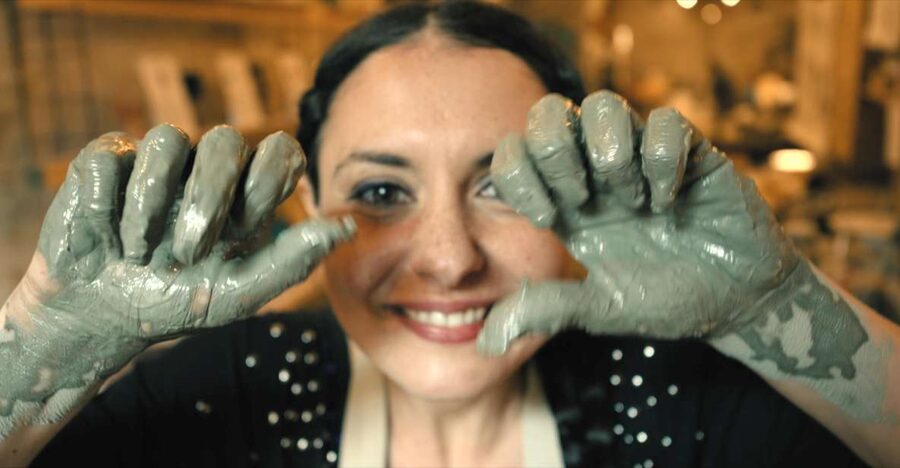
- Hands-on wheel time: you model and shape your own small ceramic artefact
- A studio story from Biagio: an architect-ceramist from Lucania guides the context, not just the technique
- Matera/Sassi pair well: it’s made to fit neatly alongside a Sassi guided tour day
- Customize as you work: you can shape your piece and make it feel like your own memory of Lucania
- Take it home or ship it: terracotta may require extra steps, so you may leave with it if possible or arrange shipping
Where you’ll be: the artisan studio in Matera
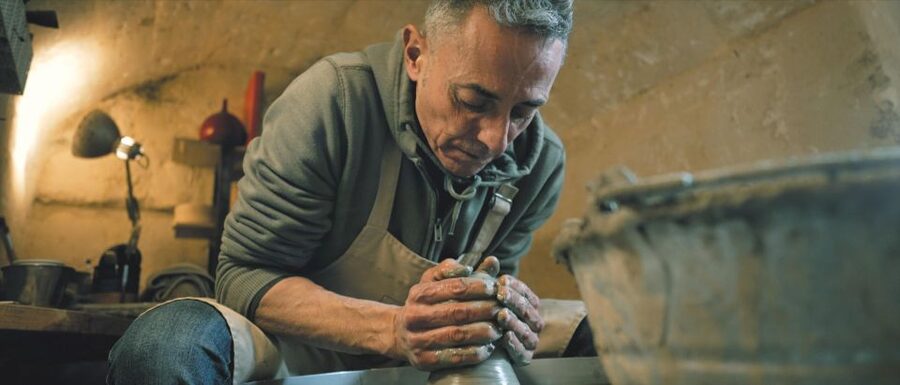
This workshop takes place in a craft studio where you’ll get your bearings quickly—when you arrive, the artisan waits for you in the studio itself. That’s a big deal in Matera. The city can feel like a maze of alleys and stone levels, and having a clear “show up here and start” setup makes the day easier.
You’re not just “watching pottery.” You’re learning inside a working space, with the tools and materials you’ll actually use. The studio setting also matters because the workshop is tied to the look and texture of local ceramics—roughness, ripples, and mineral feel that echo the gullies of Aliano and Montalbano Jonico. When your hands form that same kind of texture, Matera’s scenery stops being only visual. It becomes physical.
And if you’re pairing this with a Sassi tour, you’ll appreciate the contrast. After walking the stones, you get a quieter break where you can slow down, focus, and leave with something you made.
More Matera Sassi day trips that leave from Bari


Meeting Biagio and the craft “why” behind the clay
The instructor is Biagio, an architect and ceramist from Lucania. He doesn’t teach pottery like it’s just a technique. He teaches it like it connects to a place.
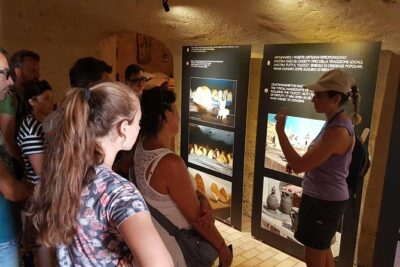
During the workshop, there’s a strong storytelling component—an explanation of how everyday vessels evolved into true design objects. You’ll hear the idea that clay objects like amphorae, jugs, plates, and glasses began as daily tools, then gradually became aesthetic elements, often helped along by decoration. That historical framing is useful because it helps you understand what you’re actually doing in the present: preserving a tradition while shaping something new.
Biagio’s approach also bridges craft and design. The material matters. The way terracotta behaves matters. And the final look—how a rim catches light, how a surface shows ripple—matters. If you care about meaning, not just souvenirs, this part is a highlight.
The wheel-thrown process: what you’ll do during your hands-on time
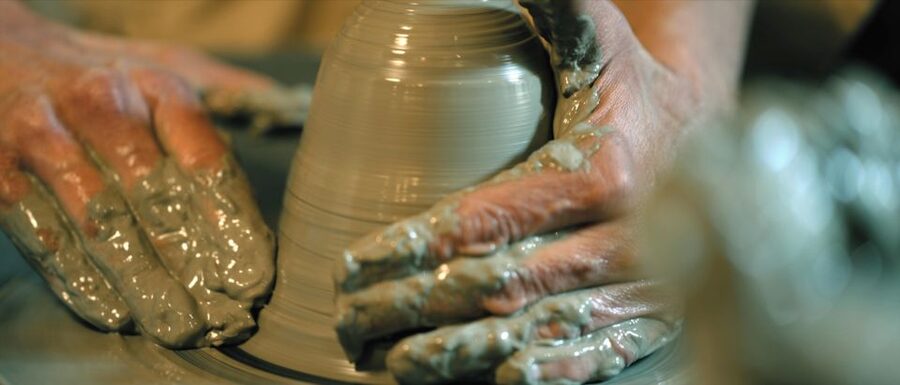
Your main activity is creating a small ceramic artefact by modelling and shaping on a potter’s wheel. You’ll be guided through the basic principles of wheel throwing and how to work terracotta so it takes shape rather than collapsing.
You’ll work toward a compact object—think cup or small pot—built from clay you shape on the wheel. While the exact design choices depend on what you’re offered and what you manage during your session, you’ll have room to customise your piece as it takes form. That customization is more than decoration. It’s the practical choices you make while forming: the shape you pull up, the thickness you leave, the way you finish edges.
The “included equipment” part matters, too. You’re not expected to show up with tools or skills. You get the equipment for working and making the artefact, and you’re taught the foundational steps of wheel work.
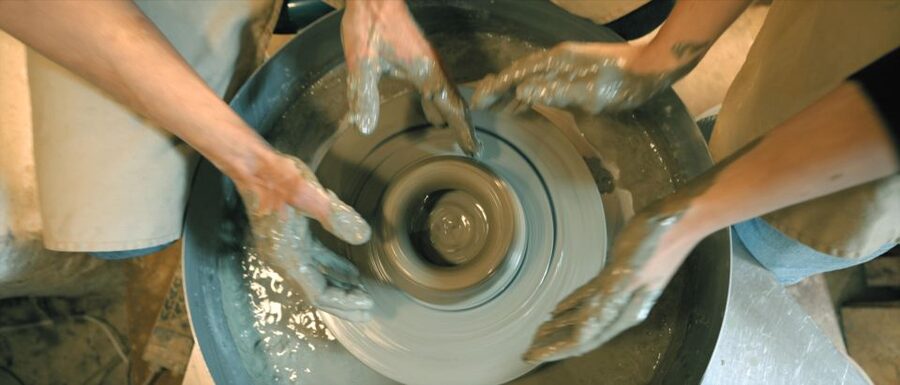
Expect that the session will feel active and sensory: clay under your hands, the wheel turning, water being used as part of the process, and the careful work of keeping the form centered. This is the kind of activity where you quickly stop thinking about time—because the next step is always one you can feel.
Your piece at the end: take home or arrange shipping
At the end, you’ll have a ceramic object you made. But there’s an important reality with terracotta: getting from “formed” to “finished” involves steps you can’t do instantly on a workshop clock.
That’s why the experience gives you options. You could take your object home if possible, or request shipping. Shipping isn’t included in the price, so if you want that convenience, plan to pay extra.
This is also why customization is so satisfying. Even if the final result depends on firing/drying steps after your hands leave it, the shape and the choices you make during your session are what you’re taking with you—either physically, or eventually via shipping.
Tip for value: if you’re limited on luggage space, ask about the best option for your exact situation. The workshop is built to support both take-home and shipped souvenirs.
More Bari hands-on workshops, from pasta boards to ceramics
- Apulian Cooking Class with Aperitif and Wine in Polignano a Mare★ 5.0 · 89 reviews
- Matera: Pasta Cooking Class Old Farmer Style in Sassi Cellar★ 5.0 · 87 reviews
- Matera Cooking Class★ 5.0 · 76 reviews
- Apulian cooking class fresh pasta and focaccia★ 5.0 · 68 reviews
- Cesarine: Small group Pasta and Tiramisu class in Bari★ 5.0 · 56 reviews
How it fits with a Matera Sassi day

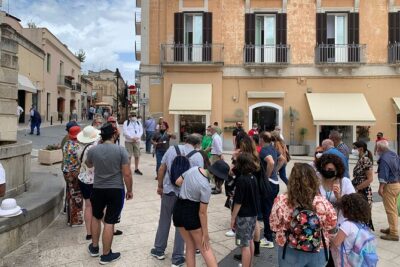
This workshop is ideal to combine with a Sassi tour. That pairing makes sense because you get two kinds of understanding in one day.
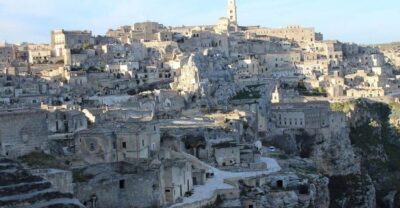
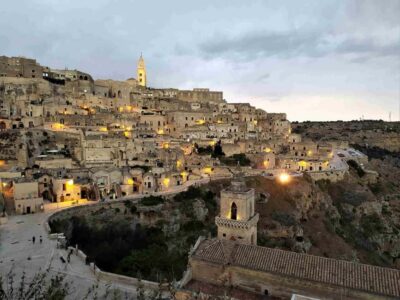
On a Sassi guided walk, you absorb architecture and the city’s dramatic stone geometry. In the workshop, you learn how local craft traditions turn the same kind of place-based thinking into objects. The result is that Matera doesn’t stay “a view.” It becomes part of your memory because you made something with your own hands.
Practically, you’ll likely want to schedule your workshop after you’ve had your walking time. Your brain will appreciate the shift from streets and viewpoints to a seated, focused creative task. It also helps you keep your day realistic. Matera is gorgeous, but it can wear you out. Wheel pottery is a different kind of work: not cardio, but concentration.
Optional food and wine: a bonus, not the core
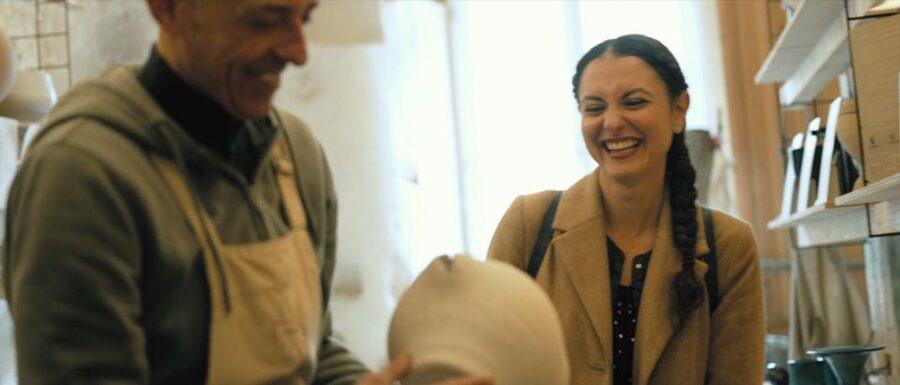
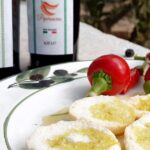
There’s also an optional tasting available on request at an additional cost—typical food and wine products. If you’re the kind of person who likes to wrap experiences with local flavors, this can work nicely after the workshop.
That said, the core value here is the craft itself. The tasting is a supplement. Don’t build your expectations around a full meal. Think of it as an extra opportunity to extend the Lucania theme.
Price and value: is $89.50 worth it?
At $89.50 per person, the price feels fair for what you get: hands-on wheel-thrown pottery basics, studio equipment, and a long story-led session with Biagio, an architect and ceramist from Lucania. You’re also getting an artisan studio visit connected to Matera’s Sassi setting, which you’d otherwise need to hunt down on your own.
Where the value really comes through is the difference between buying and making. A souvenir from a shop is instant and easy, but it doesn’t carry the same personal weight. Here, you leave with the physical proof of effort—your form, your choices, your time on the wheel. That makes the cost more about experience than product.
The only financial wildcard is language needs and shipping. English translation is available on request for an additional cost, and shipping is also extra. If you plan ahead, the price stays simple. If you don’t, you might feel surprised at the end.
Who this workshop suits best
This is a great fit if you:
- Want a hands-on break from sightseeing in Matera
- Enjoy making things, even if you’re a total beginner
- Like craft that’s tied to place and material (not just a photo opportunity)
- Are pairing it with a Sassi tour and want a full “Matera day,” not only walking
You should think twice if you:
- Have mobility limitations or other physical constraints that make standing and working in a studio difficult
- Have respiratory issues, since the workshop environment isn’t described as specially engineered for comfort
- Need accommodations for visual impairment, since the activity is not listed as suitable for visually impaired people
- Recently had surgery, since it’s not suitable for people with recent surgeries
Practical tips to make your pottery day smoother
A few common-sense moves will help you enjoy this more:
- Plan on around two hours of activity time. The workshop itself is described as lasting about two hours, even if you see different duration language when checking availability.
- If you want English, arrange translation in advance. English interpretation is on request and costs extra, so don’t leave it to chance.
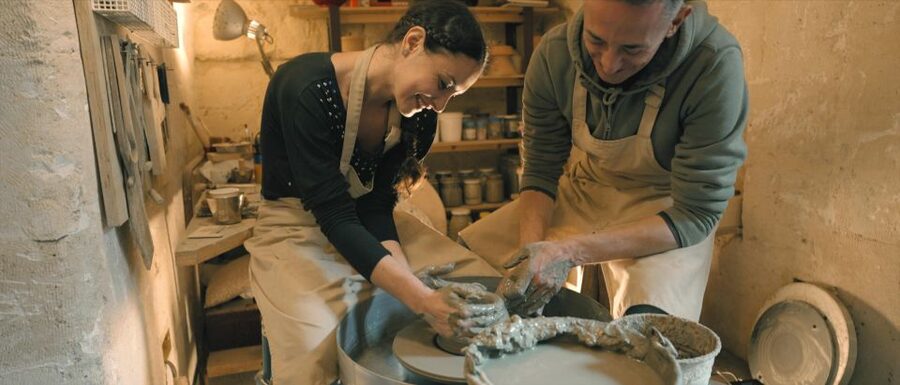
- Wear something you don’t mind getting slightly messy. Clay work can be unpredictable in small ways.
- Think about the souvenir logistics. If you’re traveling light, consider whether you’ll want to ship rather than carry.
Should you book Matera: artisan workshop. Do your ceramic artefact!
If you like travel days that end with something tangible, I’d book it. This isn’t a quick demo or a “watch then leave” experience. You learn the basics of wheel throwing, shape a small ceramic piece, and get the local context from Biagio—so the result feels tied to Lucania, not just to a generic pottery studio.
Book it especially if you’re already planning a Sassi tour. The pairing makes your day more balanced: stone views in the morning or afternoon, then a calm craft session that gives you a memory you can hold.
Skip or think hard if you need strong accessibility accommodations or if you know you won’t be comfortable working around clay and workshop conditions. And if you need English, plan for the additional translation cost so there are no last-minute surprises.
If you’re the type who comes to Italy to do more than photograph, this workshop is a smart, value-for-money choice.
FAQ
How long is the Matera pottery workshop?
You should plan for about two hours of workshop time. Availability may show a shorter duration, so check the start time details before you book.
Where do I meet the instructor?
You meet in the artisan studio, where the artisan waits you when you arrive. The session ends back at that same meeting point.
What will I make in the workshop?
You will make a small ceramic artefact such as a cup or a pot by modelling and shaping clay on a potter’s wheel.
Is the workshop beginner-friendly?
Yes. The workshop includes instruction in the basic principles of wheel thrown pottery, along with the equipment for working and making your artefact.
Can I customize the ceramic object?
Yes. Your object can be customized while you work.
Do I get to take my ceramic piece home?
You may be able to take it home if possible. You can also request shipping instead, but shipping is not included.
Is English translation included?
No. English translation is not included, but it can be arranged on request for an additional cost.
Are food and drinks included?
Food and drinks are not included. A typical food and wine tasting is available on request for an additional cost.
Is this activity private?
Yes. The workshop is described as a private group experience.
Who is this workshop not suitable for?
It’s not suitable for people with mobility impairments, respiratory issues, visual impairments, or people with recent surgeries.
More Puglia Workshops & Hands-On Classes
- Polignano a Mare: Pasta Making Cooking Class with Drink
★ 4.8 · 260 reviews - Polignano a Mare: Apulian Cooking Class with Food and Drinks
★ 4.8 · 159 reviews - Apulian Cooking Class with Aperitif and Wine in Polignano a Mare
★ 5.0 · 89 reviews - Matera: Pasta Cooking Class Old Farmer Style in Sassi Cellar
★ 5.0 · 87 reviews - Matera Cooking Class
★ 5.0 · 76 reviews - Apulian cooking class fresh pasta and focaccia
★ 5.0 · 68 reviews
More Tour Reviews in Bari
- Matera: Sassi Tour with Cave House and Rupestrian Church
★ 4.7 · 6,618 reviews - Polignano a Mare: Speedboat Cruise to Caves with Aperitif
★ 4.8 · 3,382 reviews - Polignano a Mare: Cave Boat Tour with Aperitif
★ 4.7 · 1,891 reviews - Discover Matera, the ancient city – English tour
★ 5.0 · 1,771 reviews - Guided Tour of Matera Sassi
★ 4.5 · 1,312 reviews - Polignano a Mare: Boat Trip, Swim & Cave with Aperitif
★ 4.8 · 1,300 reviews
More Matera Sassi Day Trips
- Matera: Sassi Tour with Cave House and Rupestrian Church
★ 4.7 · 6,618 reviews - Discover Matera, the ancient city – English tour
★ 5.0 · 1,771 reviews - Guided Tour of Matera Sassi
★ 4.5 · 1,312 reviews - Tour di Alberobello e Matera in bus privato da Bari
★ 4.8 · 701 reviews - Matera: Sassi Tour with Entry to Rock Houses and Churches
★ 4.6 · 622 reviews - Tour of Alberobello and Guide to Matera, from Bari
★ 4.7 · 478 reviews