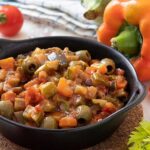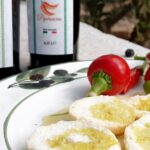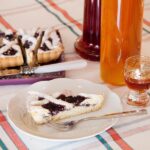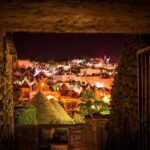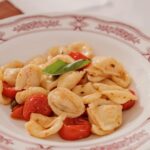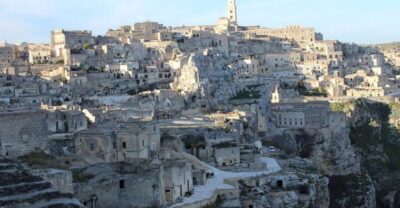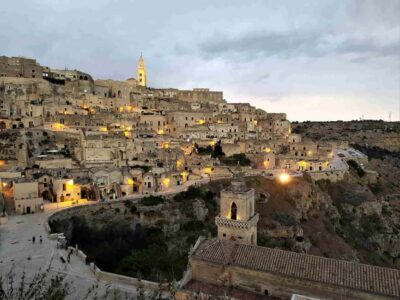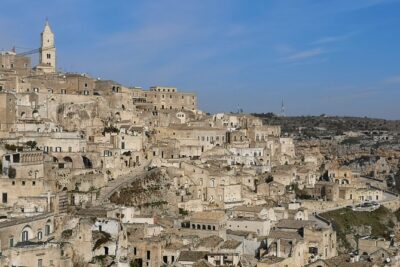
Cooking pasta in a cave feels unreal. In Matera’s Sassi, you meet Lorenzo at Recinto Santa Maria and spend about three hours in a restored ex-wine cellar making fresh pasta from scratch.
What I like most is the way the experience stays human-sized: the class caps at 8 participants, so Chef Cosimo can actually correct your kneading and shaping. I also love the storytelling layer—Lorenzo and the team bring Matera’s food habits to life, with personal family recipes and on-the-ground explanations while you cook.
One key consideration: the workshop is not suitable for gluten intolerance, so plan accordingly if you need gluten-free options.
In This Review
- Key highlights to know before you go
- Where this Matera pasta class really shines: the Sassi cave setting
- Meeting in Recinto Santa Maria: how to start without stress
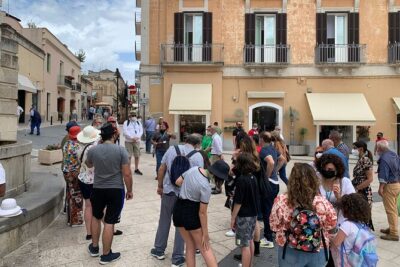
- The 20-minute guided intro tour: get your bearings fast
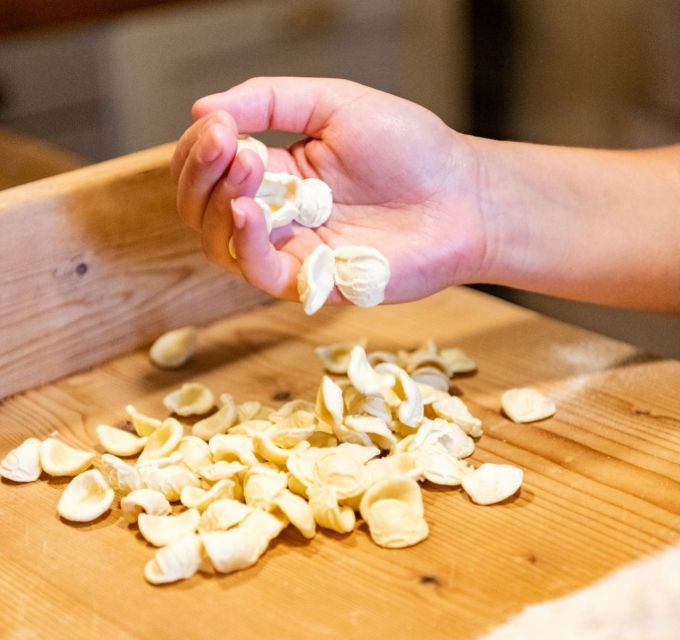
- The 1.5-hour pasta workshop: flour, technique, and real shaping
- Bruschetta and the farmer-style lunch mentality
- The 10-minute break and photo stop: a small reset with a purpose
- The 1-hour tasting: what you get to learn by eating
- Who this is best for (and who should rethink it)
- Group size and languages: easier teaching, easier conversation
- Value for the price: what you’re paying for
- What to say yes to at home: bringing the skills back
- Should you book this Matera pasta workshop in the Sassi?
- FAQ
- How long is the pasta cooking class in the Sassi?
- Where do I meet for the Matera cave cooking experience?
- Is this class hands-on or mostly watching?
- What dishes are included in the workshop?
- What languages are used during the experience?
- Is the class suitable for gluten intolerance?
Key highlights to know before you go
- Meet at Cava Marlò area (Recinto Santa Maria, 8) and find the arch with a big green door for easy check-in.
- 20-minute guided intro in the Sassi area so you get context before your hands get floury.
- 1.5-hour fresh pasta workshop where you learn techniques and shape pasta by hand.
- Break + photo stop (about 10 minutes) in the Sassi before you sit down to eat.
- 1-hour regional food tasting to round out the class with a proper lunch feel.
- Small group of up to 8 with English/Italian/Spanish support from an instructor-led team.
Where this Matera pasta class really shines: the Sassi cave setting
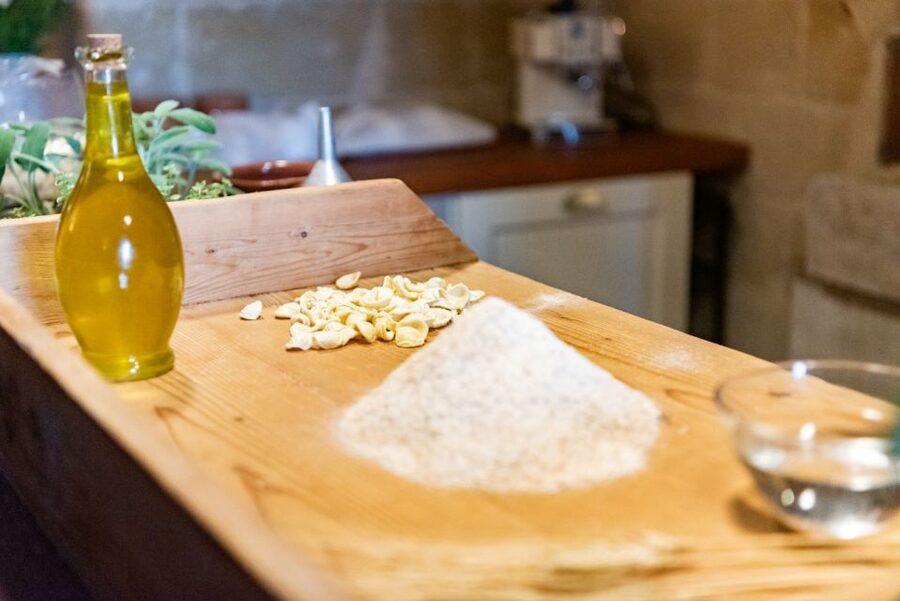
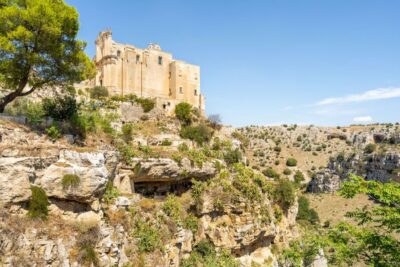
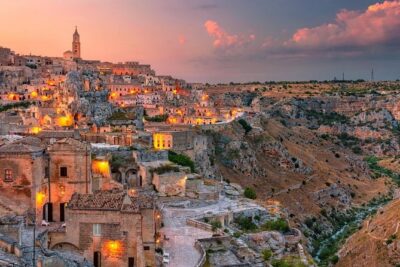
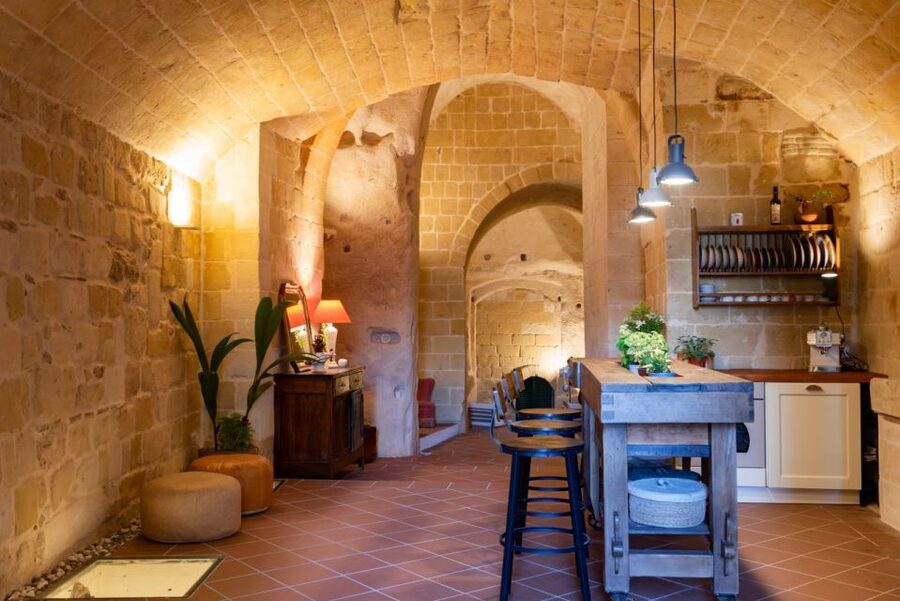
Matera is famous for the Sassi, the cave-like neighborhoods that still feel lived-in. This class puts you in that atmosphere on purpose. Instead of watching cooking from a distance, you work at close range inside a converted cave space, with ancient stone around you and the crew treating the afternoon like hosting friends.
That matters more than it sounds. In a normal kitchen class, the room can feel generic. Here, the setting is part of the lesson. You’re not just learning recipes—you’re seeing how people relate to food when the space itself is built around rock, storage, and everyday life.
The other big advantage is that the hosts are local and talk like locals. Lorenzo, plus Chef Cosimo (and team members like Adalina, and at times Sassimo), explain the dishes and the “why” behind them, not just the steps. It’s the difference between memorizing a method and understanding what makes the dish Matera-tasting.
More Matera Sassi day trips that leave from Bari
Meeting in Recinto Santa Maria: how to start without stress
You’ll meet at the cave where the experience takes place, at Recinto Santa Maria, 8. The instructions are straightforward: look for an arch and a big green door. On maps, you can search Cava Marlò.
Since the total time is about 3 hours, being on time really matters. The afternoon runs like a plan: short intro tour, long hands-on workshop, then tasting. Arrive a few minutes early so you’re not rushing while everyone’s already settled in the cave.
Also, come prepared to spend time in a stone interior. You might appreciate wearing layers you can manage, since caves can feel cooler than the street.
The 20-minute guided intro tour: get your bearings fast
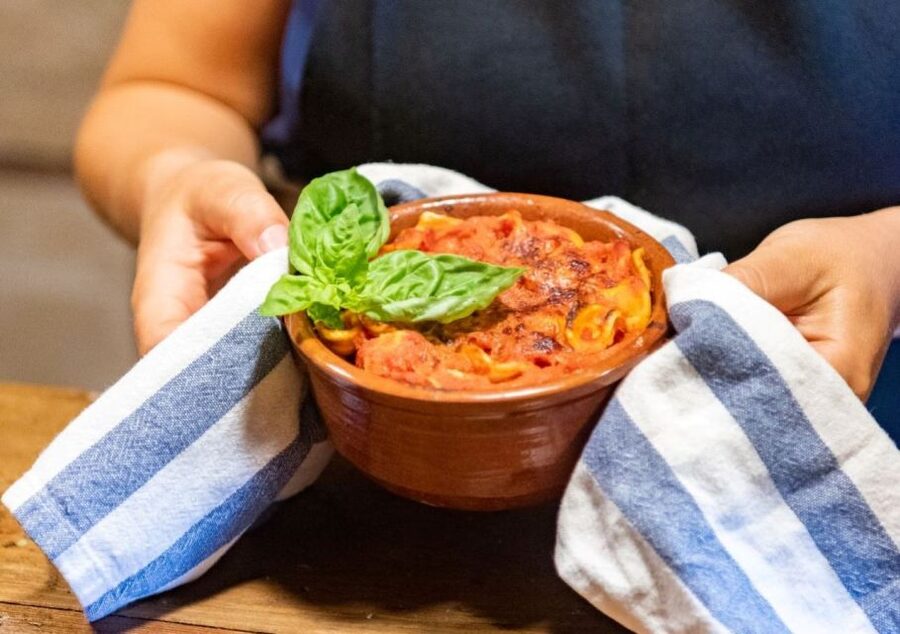
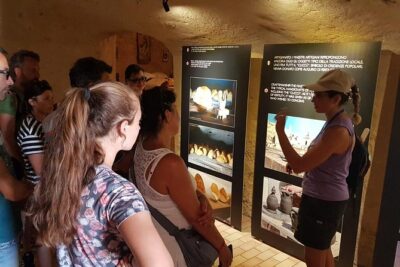
Before the cooking starts, you get a guided tour segment—about 20 minutes—as part of the flow. This is where you learn what you’re looking at, and why Matera’s cave world shaped meals.
You’ll also get a tour component tied to the Sassi Hypogeum location and stories and anecdotes about Matera. This part isn’t meant to be a lecture. It’s more like someone showing you the place they actually live with, then pointing out how food and family traditions connect to the landscape.
If you’re the type who likes context, you’ll enjoy this warm-up. If you just want to cook, it still helps. You’ll understand what you’re making next, and the tasting afterward will feel more intentional.
The 1.5-hour pasta workshop: flour, technique, and real shaping
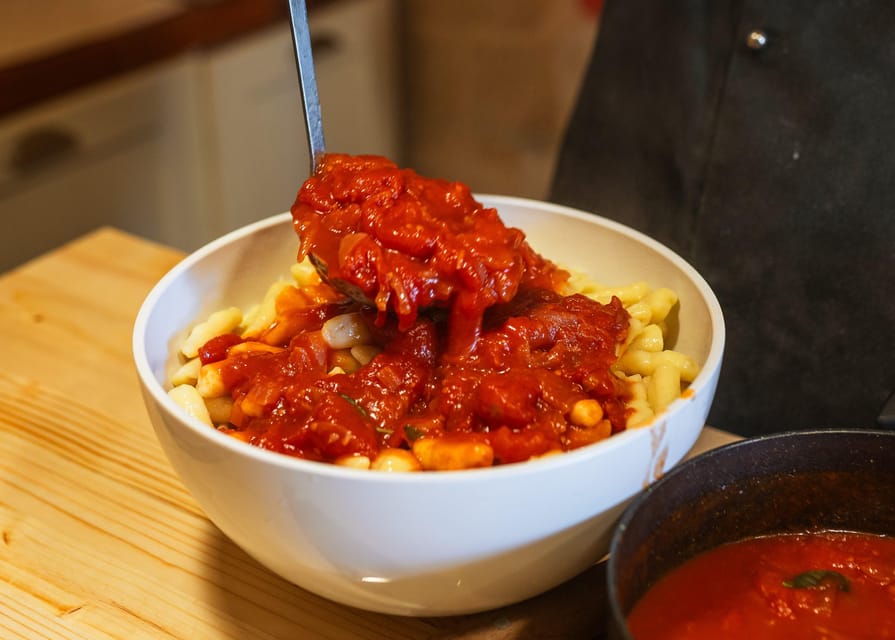
The heart of the experience is the 1.5-hour cooking class in the Sassi space. This is not “watch someone else do it.” You’ll get your hands involved—from kneading to shaping.
The menu items you’re learning include:
- Bruschetta
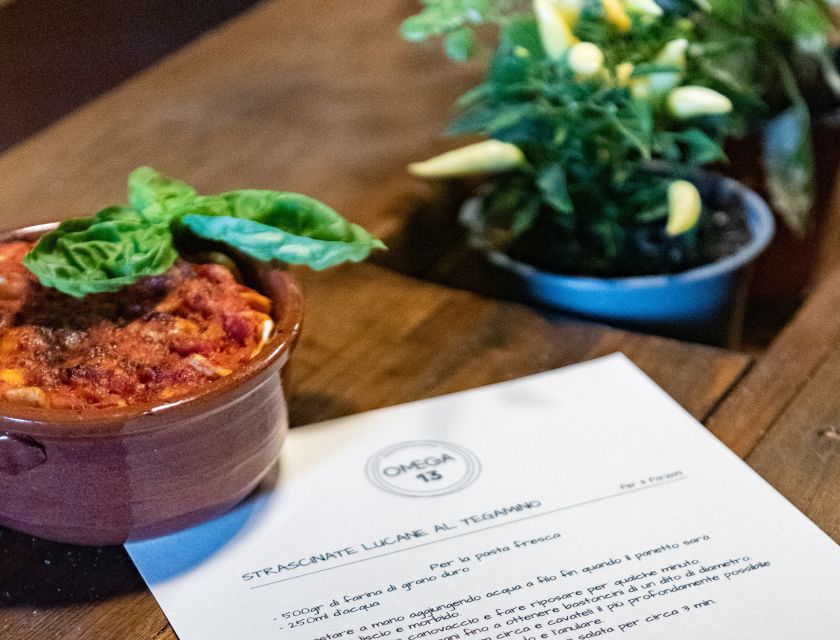
- Strascinate al tegamino
- plus fresh pasta-making techniques tied to the workshop
What makes this work for most people is the pacing. You’re guided through steps, and the hosts take time with you. In the feedback, a common theme is that nothing is treated as overly complicated. Chef Cosimo is described as passionate and very good at teaching, and Lorenzo and the team keep the energy friendly and fun.
So what should you expect your body to do?
- You knead dough (this is the hands-on part that teaches texture).
- You shape pasta pieces (not just one step—enough that you feel like you made something).
- You learn the technique for the pasta style used in the class, including how to handle and form it.
If you’ve only made pasta once or twice at home, you’ll still be fine. This class is set up so beginners can succeed, but it’s also satisfying if you cook regularly because you’ll get correction and practical tips.
One more detail I like: the cave itself changes the feel of cooking. You’re working in a space where people historically prepared and stored food. That makes the process feel grounded, not staged.
More orecchiette and Puglia cooking classes around Bari
- Bari: Pasta Experience Walking Tour★ 4.7 · 660 reviews
- Bari Walking Tour with Pasta Experience★ 4.5 · 270 reviews
- Polignano a Mare: Apulian Cooking Class with Food and Drinks★ 4.8 · 159 reviews
- Apulian Cooking Class with Aperitif and Wine in Polignano a Mare★ 5.0 · 89 reviews
- Matera: Pasta Cooking Class Old Farmer Style in Sassi Cellar★ 5.0 · 87 reviews
Bruschetta and the farmer-style lunch mentality
The workshop isn’t all pasta tricks. You also learn and prepare Bruschetta and get food built around regional ingredients.
In Matera cooking, the vibe is hearty and ingredient-led. You’re not chasing fragile flavors that vanish in five minutes. You’re building something that tastes like it belongs to southern Italy: vegetables, basics, and simple combinations treated with care.
This is also where the “farmer-family” angle comes through. The class frames meals as something connected to land and family rhythms. That’s not just storytelling for fun—it helps you taste with context. When you understand why certain ingredients matter locally, you’ll notice it later at home.
And yes, you’ll sit down and eat what you made. That’s a big part of the value: you’re not paying to leave hungry.
The 10-minute break and photo stop: a small reset with a purpose
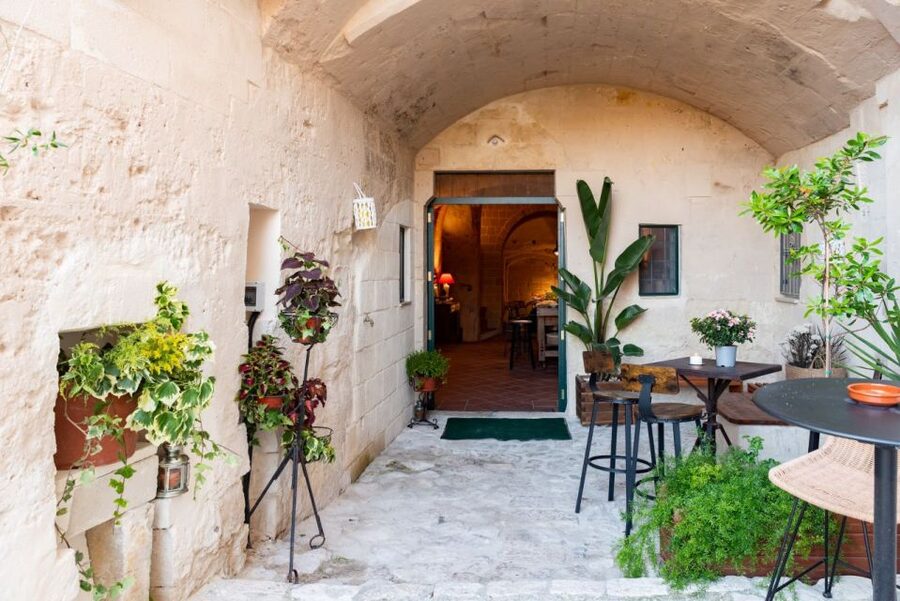
Around the middle, there’s a 10-minute break and photo stop in the Sassi. It’s short, so it doesn’t derail your cooking time. But it gives you a chance to pause, breathe, and grab photos while you’re still in the right mood.
This break also lets the kitchen flow stay relaxed. After kneading and shaping, you’ll be ready to transition from work mode to tasting mode.
Practical tip: if you want photos of the cave interior, do it during this window rather than trying to scramble later. People tend to move at a calm pace here, not a frantic one.
The 1-hour tasting: what you get to learn by eating
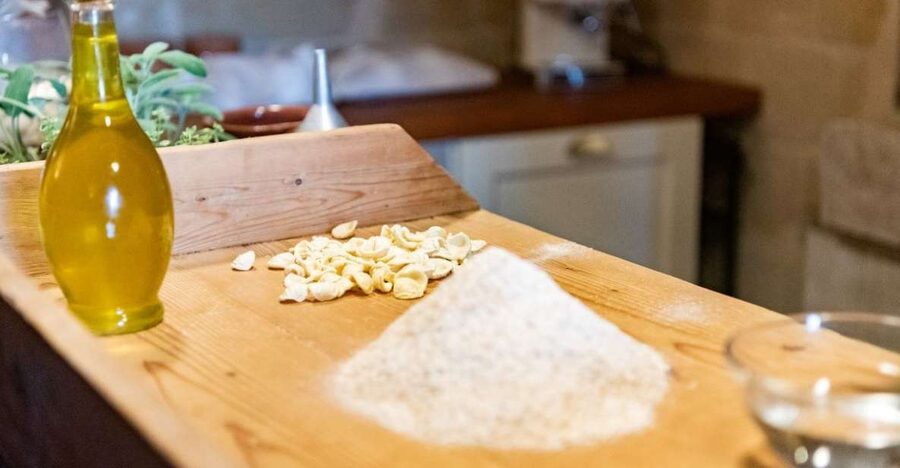
After the workshop, you get about 1 hour of food tasting—regional food as part of the afternoon. This is where the class becomes more than a demo or a workshop. The tasting turns your effort into a meal.
You’ll sample the dishes you helped create and the surrounding regional flavors that complete the experience. The hosts explain dishes while food is on the table, so you can ask questions and connect what you just learned to how it tastes.
This is where many people feel the biggest payoff. Cooking teaches technique, but tasting teaches satisfaction. In a good class, those two parts match. Here, the pace is long enough that you’ll actually get to enjoy what you made, not just rush to the next step.
Who this is best for (and who should rethink it)
This experience fits best if you want more than a quick “hands-on” moment. You’ll probably love it if you like:
- local hosts who explain what matters to them
- a small group atmosphere
- learning a specific pasta technique (not just a general cooking overview)
- a meal that feels like a farmer-family lunch rather than a snack
It can also be a strong choice if you’re traveling with someone who wants to do an activity but doesn’t want to sit through a long museum-style presentation. The format is active. You’re moving, tasting, and chatting.
The main reason to rethink it is gluten intolerance. Since it’s not suitable for gluten intolerance, don’t assume you can swap ingredients on the spot. If you need gluten-free, look for a different class that specifically supports it.
Also consider your expectations. This isn’t a formal fine-dining class. It’s a warm, friendly, local-host cooking session in a cave. That’s a plus for most people. If you want strict culinary school vibes, you might prefer a different style of instruction.
Group size and languages: easier teaching, easier conversation
The group size is capped at 8 participants, which is small enough for real interaction. That matters because pasta-making needs correction: kneading too short, dough too dry, shaping too thick—those are small issues that affect results.
The instruction languages include English, Italian, and Spanish, so you should be able to follow along comfortably. The hosts are described as entertaining and warm, with a lot of friendly conversation. If you like to ask questions, this group size gives you room to do that without feeling like you’re interrupting a lecture.
Value for the price: what you’re paying for
At $80.55 per person for about 3 hours, the value comes from three things that work together:
- Time and access: you get 1.5 hours actively cooking and 1 hour tasting.
- Setting and storytelling: the cave and the Sassi context aren’t decoration—they shape how the hosts teach.
- Small group teaching: with max 8 people, you’re paying for instruction quality, not just a seat.
Could you find cheaper cooking workshops elsewhere? Sure. But in this case, you’re buying an experience that blends place, food, and hands-on teaching in a very specific Matera way. That combination is hard to replicate.
If you’re trying to choose between “just eat at a restaurant” and “learn something,” this is the kind of activity that gives you both: you leave with a meal in your memory and skills you can try again later.
What to say yes to at home: bringing the skills back
The class teaches you enough that you might actually try making pasta again. The key is the method: kneading and shaping. Those are the skills that transfer.
You’ll also be able to recreate parts of the meal style. Even if you don’t repeat the exact pasta shape perfectly on the first try, you’ll have a stronger sense of how dough should feel and how the flavors are built around regional staples.
If you like cooking with confidence rather than guesswork, that’s where this class helps you most.
Should you book this Matera pasta workshop in the Sassi?
Book it if you want a hands-on afternoon in Matera that feels local and personal, not touristy. The small group size, the guided cave context, and the chance to make fresh pasta plus Bruschetta make this a strong choice—especially if you enjoy chatting with people while you cook.
Skip it (or choose another option) if you need gluten intolerance accommodations, since this experience isn’t suitable for gluten intolerance.
If your schedule allows it, this is exactly the kind of activity that makes a trip feel more like you lived there for a day—because in the Sassi, you’re not just learning recipes. You’re stepping into how food connects to family life, stone rooms, and everyday tradition.
FAQ
How long is the pasta cooking class in the Sassi?
The experience lasts about 3 hours total, including a short guided portion, the hands-on cooking workshop, a short break/photo stop, and a final tasting.
Where do I meet for the Matera cave cooking experience?
You meet at Recinto Santa Maria, 8. Look for the arch and a big green door. On maps, you can search for Cava Marlò.
Is this class hands-on or mostly watching?
It’s hands-on. You participate in the pasta workshop and the preparation of the dishes covered during the class.
What dishes are included in the workshop?
You learn to prepare Bruschetta and Strascinate al tegamino, along with fresh pasta techniques as part of the pasta workshop.
What languages are used during the experience?
The instructor offers English, Italian, and Spanish.
Is the class suitable for gluten intolerance?
No. This experience is not suitable for people with gluten intolerance.
More Tour Reviews in Bari
- Matera: Sassi Tour with Cave House and Rupestrian Church
★ 4.7 · 6,618 reviews - Polignano a Mare: Speedboat Cruise to Caves with Aperitif
★ 4.8 · 3,382 reviews - Polignano a Mare: Cave Boat Tour with Aperitif
★ 4.7 · 1,891 reviews - Discover Matera, the ancient city – English tour
★ 5.0 · 1,771 reviews - Guided Tour of Matera Sassi
★ 4.5 · 1,312 reviews - Polignano a Mare: Boat Trip, Swim & Cave with Aperitif
★ 4.8 · 1,300 reviews
More Orecchiette & Puglia Cooking Classes
- Bari: Pasta Experience Walking Tour
★ 4.7 · 660 reviews - Bari Walking Tour with Pasta Experience
★ 4.5 · 270 reviews - Polignano a Mare: Pasta Making Cooking Class with Drink
★ 4.8 · 260 reviews - Polignano a Mare: Apulian Cooking Class with Food and Drinks
★ 4.8 · 159 reviews - Apulian Cooking Class with Aperitif and Wine in Polignano a Mare
★ 5.0 · 89 reviews - Bari Bike Tour with Pasta Experience
★ 5.0 · 87 reviews
More Matera Sassi Day Trips
- Matera: Sassi Tour with Cave House and Rupestrian Church
★ 4.7 · 6,618 reviews - Discover Matera, the ancient city – English tour
★ 5.0 · 1,771 reviews - Guided Tour of Matera Sassi
★ 4.5 · 1,312 reviews - Tour di Alberobello e Matera in bus privato da Bari
★ 4.8 · 701 reviews - Matera: Sassi Tour with Entry to Rock Houses and Churches
★ 4.6 · 622 reviews - Tour of Alberobello and Guide to Matera, from Bari
★ 4.7 · 478 reviews