A real dinner with lessons is hard to find. This small-group Cesarine class in Bari puts you in a home kitchen to make pasta and tiramisù the proper way, then sit down and eat what you cooked. I love that it’s hands-on from start to finish, including a casual aperitivo to ease you in.
Two things I especially like: you’ll learn by doing (rolling, filling, shaping, and mixing), not just watching. And you get the kind of clear, practical guidance that comes from people who cook this food regularly at home, like hosts such as Juanita and Fernanda. That home setting also means you’re more likely to pick up little “why this works” details that never make it into cookbooks.
One possible drawback to plan around: the class is in a specific home, so the start point may not be the center of Bari. In one case, the distance surprise came from a longer-than-expected ride, so follow the directions in your confirmation and allow a little buffer for getting there.
In This Review
- Key highlights you’ll actually care about
- Bari home-kitchen energy: what the evening feels like
- The cooking part: two pastas, real sauces, and learnable technique
- Aperitivo first: why the start matters in a cooking class
- Tiramisu skills: not just making it, but getting it right
- Eating what you made: the end of class is part of the lesson
- Small-group logistics in Bari: meeting point, distance, and getting there on time
- Price and value: what $119.48 really buys
- Who this is for (and who might want something else)
- How to get the most out of your night
- Should you book Cesarine Pasta and Tiramisu in Bari?
- FAQ
- How long is the Pasta and Tiramisu class in Bari?
- How many people are in the class?
- What language is the class taught in?
- What will I cook during the experience?
- Is there a tasting at the end?
- What is the cancellation policy?
Key highlights you’ll actually care about
- Up to 12 people means you get real attention while you cook.
- Two pasta recipes plus traditional sauces are made from scratch in the home kitchen.
- Hands-on tiramisù technique with tips for getting the texture and layering right.
- Aperitivo at the start sets a relaxed, local tone before the cooking gets serious.
- You sit down to taste what you made, usually with extra homemade touches like antipasto and wine.
- English instruction with a chef-like host who answers questions as you go.
Bari home-kitchen energy: what the evening feels like
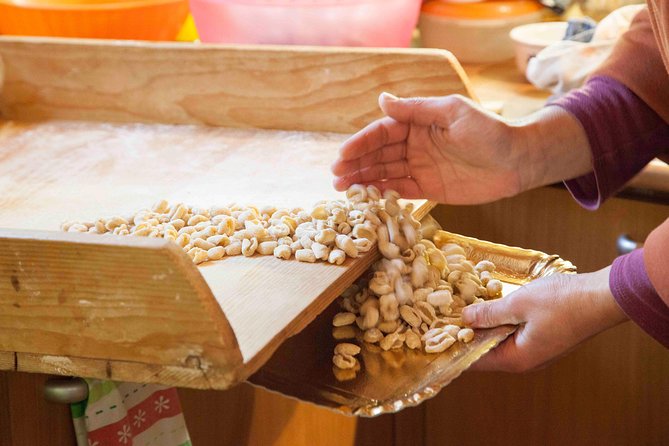
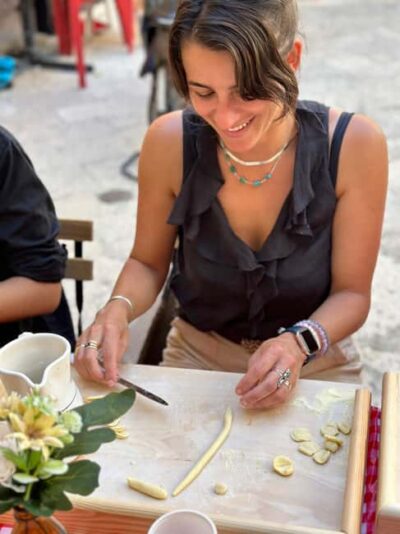
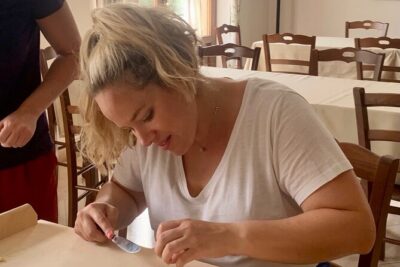
This class is built around one simple idea: Italian cooking is best learned where it’s actually cooked. In Bari, that means a Cesarine host welcomes you into her kitchen like you’re visiting for dinner, not attending a show. You’ll cook at a normal pace for a home—sometimes ingredients are already working in the background—then you take over for the steps that matter.
The group stays small, max 12. That size matters because pasta-making is physical work. When it’s just a few people, your host can correct your dough thickness, show you how to handle filling, and help you avoid common tiramisù mistakes like uneven layers.
English is included, so you won’t be stuck guessing. And if you’ve ever thought pasta skills look “easy” until you try them, this is the antidote. Expect lots of repetition on the same core techniques, because that’s how you actually learn.
More orecchiette and Puglia cooking classes around Bari
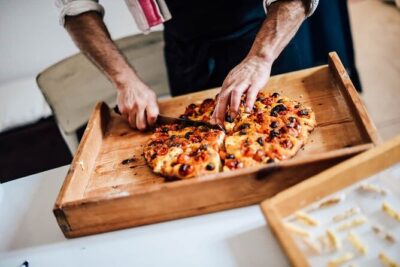
The cooking part: two pastas, real sauces, and learnable technique
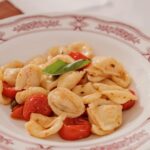
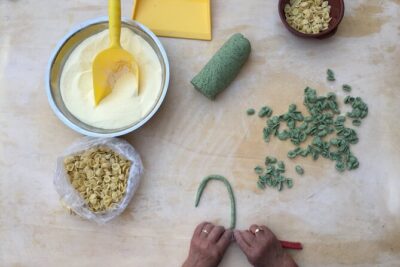
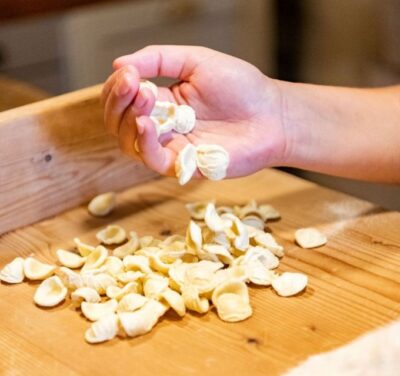
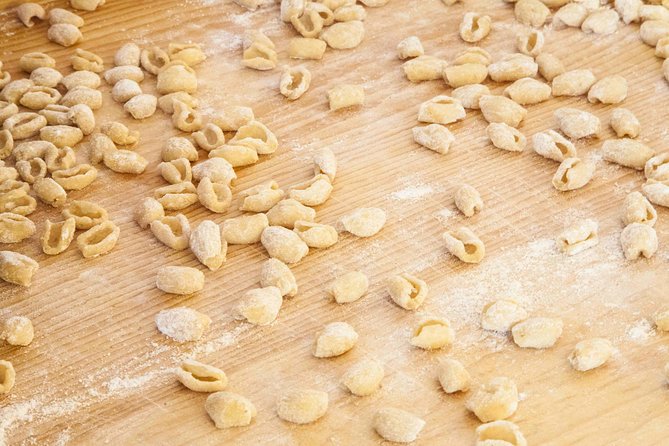
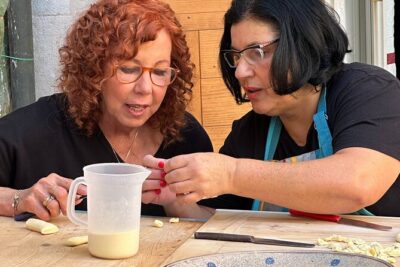
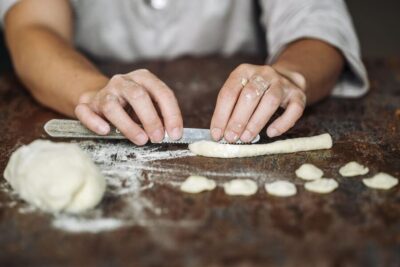
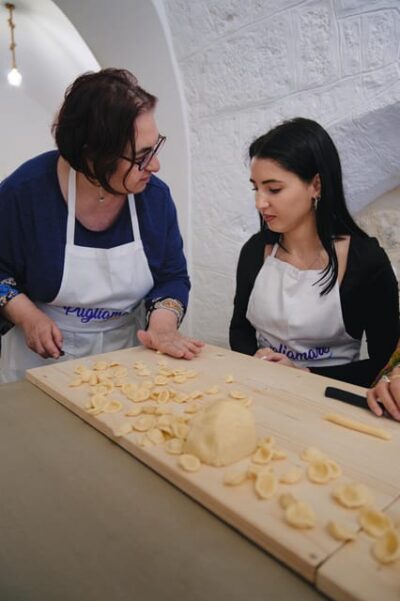
The menu is simple on paper—pasta and tiramisù—but the cooking is detailed in practice. You prepare two separate pasta recipes and traditional sauces from scratch. Across different homes and hosts, you may see popular Apulian styles. Based on real class experiences shared, you could work on shapes like orecchiette and even ravioli, with filling and sauce steps that tie the whole meal together.
Here’s what makes this more valuable than a generic class: you aren’t only mixing ingredients. You learn the “process parts” that make the difference.
- Dough handling: how to work the dough so it’s workable and doesn’t fight you.
- Shaping and timing: how long to let things rest and when to move to the next step.
- Sauce from scratch: how local sauces get flavor and body before you ever toss pasta.
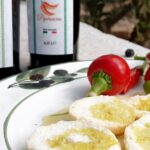
Some hosts add extra courses through the evening. One home experience included an antipasto platter with fresh meats and cheese plus bread, peppers, and vegetable dishes. Others included things like frittata and bruschetta alongside the main pasta and tiramisù flow. Don’t count on every extra bite in every class, but it’s a good sign of the hospitality you’re likely to feel.
And one more practical win: several people mention that they leave with recipes. That matters for value. You’re not just paying for a great night—you’re investing in ingredients and steps you can repeat back home.
Aperitivo first: why the start matters in a cooking class
This class begins with aperitivo. That’s not just tradition. It’s smart pacing.
You arrive, you meet your host, and you get a few relaxed moments before the kneading starts. In many of these home kitchens, aperitivo also means you’ll have something to nibble while things are cooking in the background. It’s the moment where the host can explain the plan, show tools, and handle any basics like where to wash hands and how to keep the kitchen process moving.
Also, in the current reality of shared spaces, the homes provide essential sanitary supplies like hand sanitizing gel and paper towels. The class asks for maintaining distance (about 1 meter) when possible, and to use masks and gloves if distance can’t be maintained. That’s not the fun part of cooking, but it is part of the respect and safety rhythm of the evening.
Tiramisu skills: not just making it, but getting it right
Tiramisu sounds straightforward until you’re the one building the layers. This is where the host coaching really pays off.
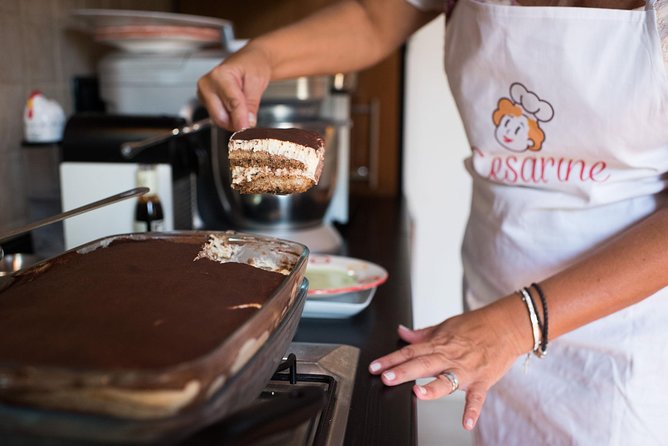
You’ll get tips and techniques for a traditional tiramisù, with the goal of turning out a dessert that sets well and tastes balanced—not soggy, not flat. The hands-on part is key: you mix, you layer, and you learn why certain steps matter.
Based on the way different hosts described their classes, the tiramisù focus isn’t just on the final flavor. It’s also on texture and structure. When a host is patient enough to teach you in the moment, you learn tricks like how to handle the cream so it stays smooth and how to build layers evenly so every bite has the same mix of espresso, cream, and sponge.
And because you’ll taste what you made at the end, you’ll get immediate feedback. That feedback loop is what turns tiramisù from a “recipe you own” into a dessert you can actually reproduce.
More Bari hands-on workshops, from pasta boards to ceramics
- Apulian Cooking Class with Aperitif and Wine in Polignano a Mare★ 5.0 · 89 reviews
- Matera: Pasta Cooking Class Old Farmer Style in Sassi Cellar★ 5.0 · 87 reviews
- Matera Cooking Class★ 5.0 · 76 reviews
- Apulian cooking class fresh pasta and focaccia★ 5.0 · 68 reviews
- Cesarine: Small group Pasta and Tiramisu class in Bari★ 5.0 · 56 reviews
Eating what you made: the end of class is part of the lesson
The experience doesn’t end when the timer runs out. You sit down to tasting that includes the pasta and tiramisù you prepared, often alongside whatever extra homemade bites the kitchen generated that day.
This is where you really benefit from the home setting. In a restaurant class, you might cook and then eat at a separate station. Here, the food comes to the table as a complete meal. Many people mention sitting at a set dining table and enjoying the meal together, with conversation and a relaxed sense of community.
Wine may also show up during the aperitivo or with the meal, depending on the host. One experience mentioned wine alongside a spread of meats, cheese, and additional small dishes. If you drink, this can make the whole night feel like a proper Bari dinner, not a workshop.
Small-group logistics in Bari: meeting point, distance, and getting there on time
The class is labeled as starting and ending in Bari. The exact home address varies by host, and that’s the one point where you want to be a grown-up about planning.
Most classes you’ll find for Bari involve a short walk or a quick ride from central areas. In one response related to a location concern, the host home was described as about a 15-minute walk from the center. But there was also a disappointment from a separate experience where the meeting location revealed a longer car transfer (described as around 36 minutes). That contrast is enough to treat location as a real variable.
So here’s what I’d do if you book:
- Read the directions in your confirmation email carefully.
- Give yourself extra time on arrival night, especially if you’re doing it after other plans.
- Use public transportation if you can, since the experience notes it’s near public transportation. A nearby stop makes the whole trip less stressful if you’re tired.
Also: the class uses a mobile ticket, so make sure your phone battery is not a coin toss. Simple stuff, but it avoids the start-of-evening scramble.
Price and value: what $119.48 really buys
At $119.48 per person for about 3 hours, you’re paying for more than two recipes. You’re paying for:
- A real home kitchen setup (not a generic studio)
- A host who teaches technique, not just ingredients
- A small group size that keeps instruction personal
- Aperitivo at the start and a tasting at the end
- Hands-on time across pasta and tiramisù
In other words, you’re buying a full evening experience. When I compare this to paying for dinner plus hiring a guide or a workshop elsewhere, the math gets easier. Here, food is part of the lesson, and the lesson is part of the dinner.
You also get practical takeaways. When a class includes recipe notes you can take home, you can turn the experience into future meals. That’s value you feel weeks later, not just the night you eat it.
Who this is for (and who might want something else)
This class is a great fit if you:
- Want an authentic Bari meal that’s not just eating, but learning.
- Like hands-on cooking where your hands move most of the night.
- Enjoy small-group social time and conversation at the table.
- Care about traditional flavors and technique, especially for pasta and tiramisù.
It may be less ideal if you:
- Are short on time and can’t handle a specific home location.
- Don’t enjoy active cooking. This is not a sit-and-smile tasting.
- Have strict mobility or kitchen comfort limits. The experience is in a home setting, which means you’ll be in real rooms and real kitchen surfaces.
How to get the most out of your night
Pasta and tiramisù training rewards attention. Even if you’re not a “kitchen person,” you can still do well if you keep a few habits.
First, pay attention to the rhythm your host sets. Pasta dough and sauces follow a timing flow. When you’re told to rest something, it’s not for fun—it’s for texture.
Second, ask one good question early. Hosts like Juanita, Fernanda, and Christiana (and other Cesarine named in these class experiences) all get praised for patience and clear instruction. If you ask about something small—like dough thickness or how to layer tiramisù—you’ll learn faster and stress less.
Third, keep an appetite for extra food. Many homes add an antipasto-style spread or additional small dishes beyond the core pasta and tiramisù. That’s part of the hospitality vibe.
Should you book Cesarine Pasta and Tiramisu in Bari?
Yes, if you want a small-group home cooking class that teaches real technique and ends with a full meal you can taste right away. The consistent praise centers on the warmth of hosts, the hands-on pasta work, and the tiramisù tips that make the dessert feel doable when you’re not in their kitchen.
If you hate the idea of a variable home location, double-check the directions before you go and give yourself extra time. That one logistics detail can make or break your evening flow.
When the class hits for you, you’ll leave with something better than photos: a repeatable pasta-and-tiramisu method, plus a Bari dinner that feels personal, not packaged.
FAQ
How long is the Pasta and Tiramisu class in Bari?
It runs for about 3 hours.
How many people are in the class?
The maximum group size is 12.
What language is the class taught in?
The class is offered in English.
What will I cook during the experience?
You will prepare two pasta recipes and traditional sauces from scratch, and you’ll learn how to make tiramisù.
Is there a tasting at the end?
Yes. The experience ends with a tasting featuring what you cooked.
What is the cancellation policy?
You can cancel for a full refund up to 24 hours in advance. If you cancel less than 24 hours before the start time, the amount paid is not refunded.
More Puglia Workshops & Hands-On Classes
- Polignano a Mare: Pasta Making Cooking Class with Drink
★ 4.8 · 260 reviews - Polignano a Mare: Apulian Cooking Class with Food and Drinks
★ 4.8 · 159 reviews - Apulian Cooking Class with Aperitif and Wine in Polignano a Mare
★ 5.0 · 89 reviews - Matera: Pasta Cooking Class Old Farmer Style in Sassi Cellar
★ 5.0 · 87 reviews - Matera Cooking Class
★ 5.0 · 76 reviews - Apulian cooking class fresh pasta and focaccia
★ 5.0 · 68 reviews
More Tour Reviews in Bari
- Matera: Sassi Tour with Cave House and Rupestrian Church
★ 4.7 · 6,618 reviews - Polignano a Mare: Speedboat Cruise to Caves with Aperitif
★ 4.8 · 3,382 reviews - Polignano a Mare: Cave Boat Tour with Aperitif
★ 4.7 · 1,891 reviews - Discover Matera, the ancient city – English tour
★ 5.0 · 1,771 reviews - Guided Tour of Matera Sassi
★ 4.5 · 1,312 reviews - Polignano a Mare: Boat Trip, Swim & Cave with Aperitif
★ 4.8 · 1,300 reviews
More Orecchiette & Puglia Cooking Classes
- Bari: Pasta Experience Walking Tour
★ 4.7 · 660 reviews - Bari Walking Tour with Pasta Experience
★ 4.5 · 270 reviews - Polignano a Mare: Pasta Making Cooking Class with Drink
★ 4.8 · 260 reviews - Polignano a Mare: Apulian Cooking Class with Food and Drinks
★ 4.8 · 159 reviews - Apulian Cooking Class with Aperitif and Wine in Polignano a Mare
★ 5.0 · 89 reviews - Matera: Pasta Cooking Class Old Farmer Style in Sassi Cellar
★ 5.0 · 87 reviews