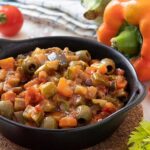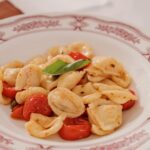
Pasta night, but in a real Matera kitchen. I like that you learn fresh sfoglia by hand and then make tiramisu as a group, all in a local’s home instead of a classroom. One thing to plan for: the house can be a bit of a trek from the Sassi, so your return time may be tricky if buses slow down.
This is run through Cesarine, Italy’s home-cook network (more than 500 cities), so the point isn’t just recipes. It’s conversation, technique, and practical tips you can use later. You also get an aperitivo (prosecco and nibbles) plus everything you eat and drink—water, wines, coffee—so the $112.15 price feels more like a meal experience than a quick demo.
In This Review
- Key things to know before you book
- Inside Matera: A 3-Hour Cooking Class in Someone’s Home
- Cesarine Hosts: Why the Setting Feels Local
- Rolling Sfoglia by Hand: The Skill That Changes Everything
- Two Pasta Recipes Plus Tasting: You Get Feedback, Not Just Food
- Tiramisu Class: The Sweet Finish (and a Reality Check)
- Aperitivo, Wine, and Eating in the Same Session
- Price and Value: What $112.15 Really Buys You
- Getting to the Home in Matera: The One Logistics Issue to Plan
- What You Need to Share When Booking
- Who This Cooking Class Is Best For
- Should You Book This Pasta & Tiramisu Class?
- FAQ
- Where does the class take place?
- How long is the experience?
- What will I learn to cook?
- Is food and drink included?
- What languages are spoken during the class?
- What information do I need to share when booking?
- Will I be able to access the experience in a wheelchair?
- Is cancellation free?
- Can I reserve without paying right away?
Key things to know before you book
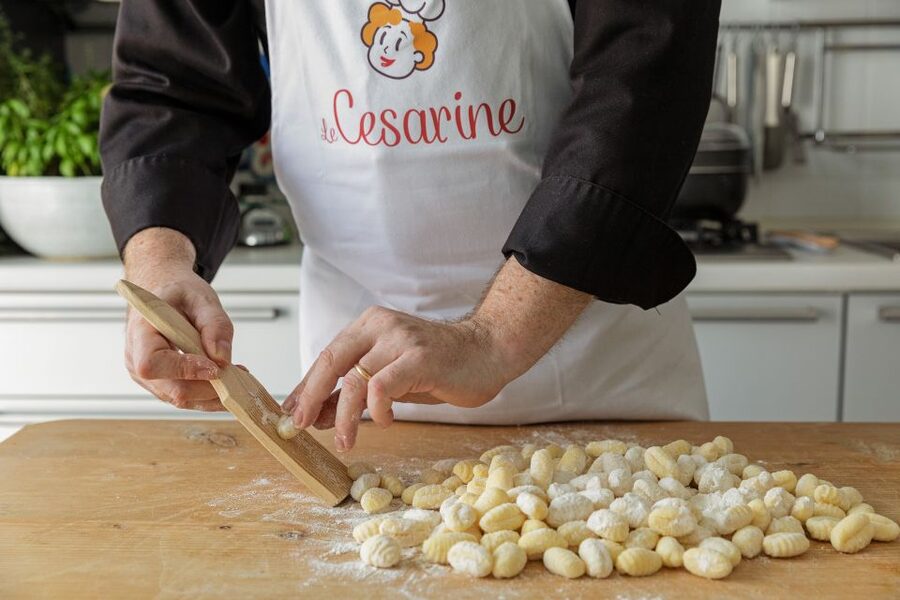
- Fresh pasta by hand: You roll sfoglia yourself, not just watch it happen.
- Two pasta recipes plus tiramisu: You leave with a full trio of Italian comfort food.
- Cesarine home-cook format: The experience happens in a real household kitchen.
- Eat what you make: Lunch/dinner is part of the class, along with wine and coffee.
- Location matters in Matera: The home address comes after booking, so plan for getting back.
Inside Matera: A 3-Hour Cooking Class in Someone’s Home
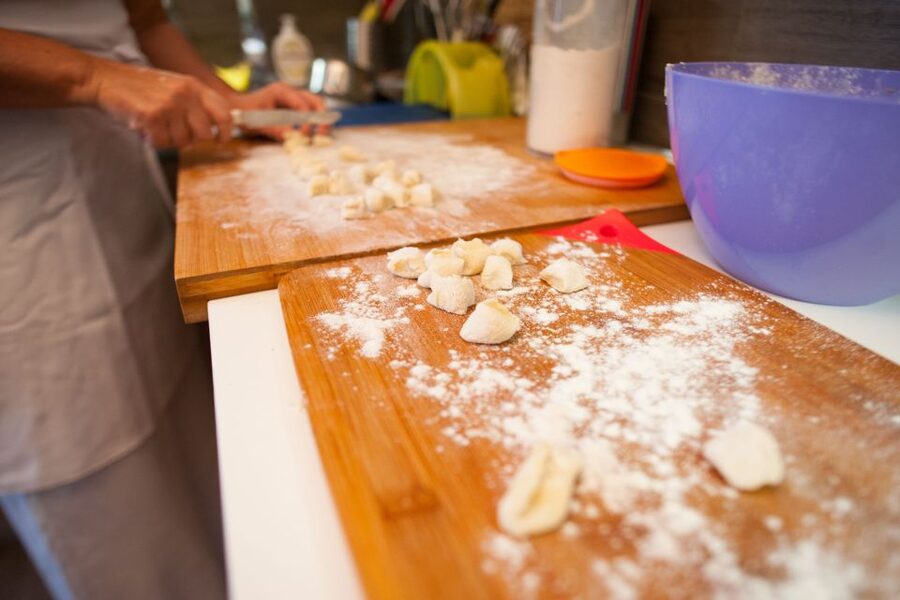
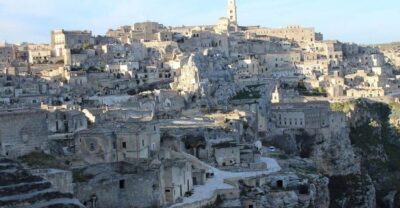
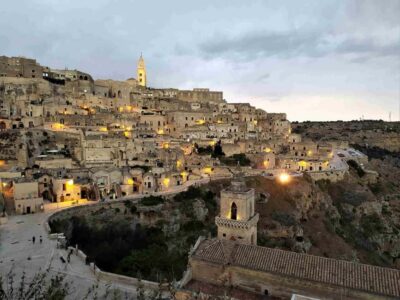
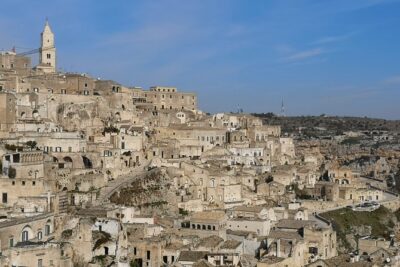
Matera is famous for the Sassi, those carved stone districts that feel like a living museum. This class takes you out of the souvenir-and-restaurant loop and into a working home kitchen. That sounds simple, but the difference is real: in a home, you cook with the rhythm of daily life—smells, tools, pace, and small household shortcuts.
The session runs about 3 hours, and it’s hands-on from the start. You’ll be working at the counter, shaping pasta and assembling dessert while your host guides you in English and Italian. Expect steady pacing rather than a rushed factory tour vibe. The goal isn’t fancy plating. It’s getting the dough right, understanding what you’re looking for, and tasting the results as you go.
Pro tip: If you’re the kind of person who learns best by doing, this setup is ideal. If you’re the kind of person who wants long pauses for photography or extra explanation, the time window can feel tight.
More Matera Sassi day trips that leave from Bari



Cesarine Hosts: Why the Setting Feels Local
Cesarine is an established network of home cooks across Italy. The idea is that you meet a person who cooks from their own family cookbook traditions, not a traveling chef putting on a show. In practice, that means the class often comes with stories that connect food to place—especially useful in Basilicata, where recipes have regional identity.
One host name that comes up in positive experiences is Francesco, described as charming and interesting, and the kind of person who makes pasta steps click. Even if your host isn’t Francesco, you can still expect that home-cook energy: practical, welcoming, and focused on how to recreate the dishes back home.
This also explains why you get more than just recipes. Your host can point out the subtle stuff—how the dough should feel, when to stop mixing, what consistency looks like—because they cook these dishes regularly.
Rolling Sfoglia by Hand: The Skill That Changes Everything
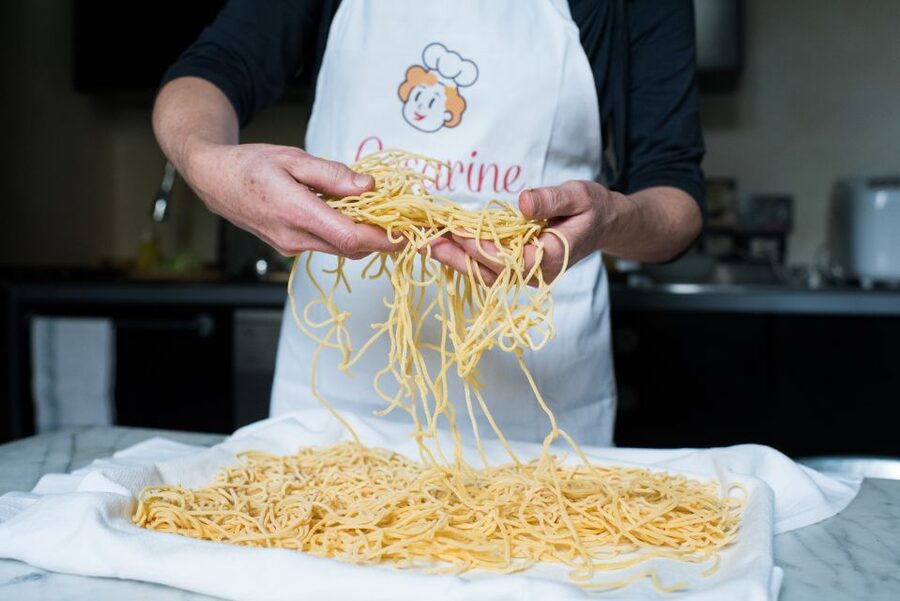
Let’s talk pasta technique, because that’s the heart of the class. You’ll learn to roll sfoglia fresh pasta by hand. That matters more than most people realize. Pre-made pasta is fine for weeknights, but once you learn dough handling—how thick to roll, how to work without tearing, how to handle stickiness—you’re no longer stuck with one kind of pasta.
The class format is set up so you don’t just practice the sheet. You then prepare two different iconic pasta types from scratch. Even without getting a detailed menu ahead of time, the structure usually works like this:
- First, you make and roll fresh pasta dough (sfoglia).
- Then you move into shaping and finishing two pasta recipes.
- Finally, you eat what you create as lunch/dinner.
Why this is valuable: these steps are transferable. If you can roll sfoglia and follow the flow from dough to shaped pasta, you can apply that logic to other pasta styles later.
What to watch for: fresh pasta is forgiving if you pay attention to texture. If it feels too dry, you usually need a small adjustment. If it feels too sticky, you correct your handling and dusting strategy. A good home cook will point out what to change right away rather than letting the whole batch fail.
Two Pasta Recipes Plus Tasting: You Get Feedback, Not Just Food
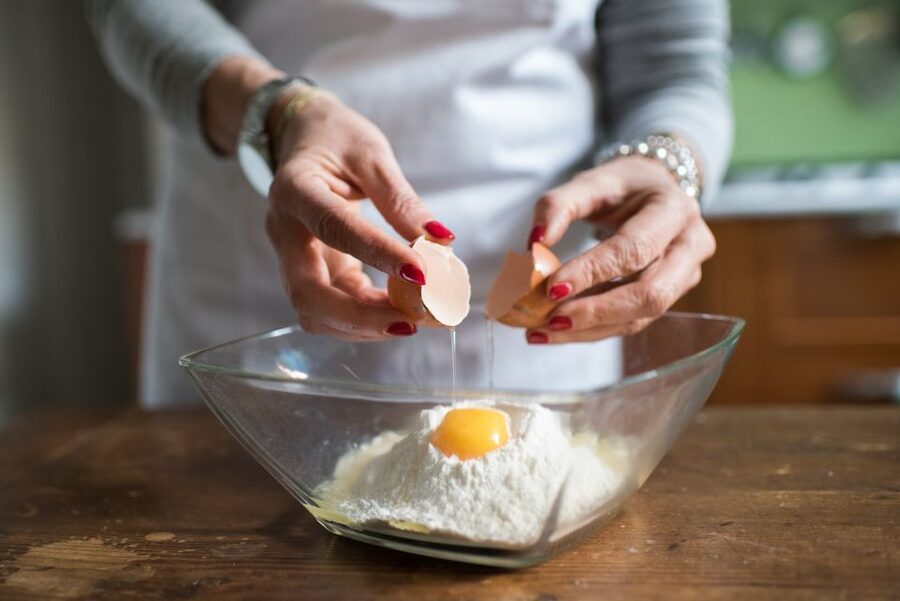
A cooking class can be either informational or emotional. This one leans practical: you learn, taste, adjust, and learn again. There’s an emphasis on watching the master at work and then using that guidance to recreate the dishes yourself.
You’ll taste everything you prepare, which helps you understand what success tastes like in the moment. That’s better than taking notes only to wonder later why your sauce-to-pasta ratio feels off or why the dough tastes different.
Another subtle win: doing two pasta types in one session gives you variety without turning the evening into a marathon. If you’re visiting Matera for a few days, this is a smart “one activity, big payoff” plan. You’re not hunting down ingredients for a multi-day pasta project once you get home.
More orecchiette and Puglia cooking classes around Bari
- Bari: Pasta Experience Walking Tour★ 4.7 · 660 reviews
- Bari Walking Tour with Pasta Experience★ 4.5 · 270 reviews
- Polignano a Mare: Apulian Cooking Class with Food and Drinks★ 4.8 · 159 reviews
- Apulian Cooking Class with Aperitif and Wine in Polignano a Mare★ 5.0 · 89 reviews
- Matera: Pasta Cooking Class Old Farmer Style in Sassi Cellar★ 5.0 · 87 reviews
Tiramisu Class: The Sweet Finish (and a Reality Check)
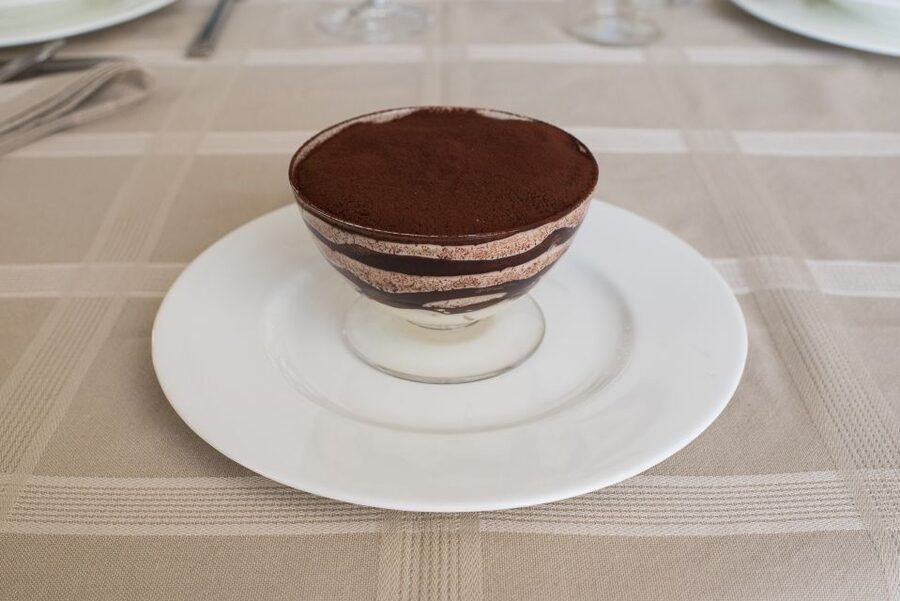
Then comes tiramisu—the iconic dessert people travel for. In theory, this class includes a tiramisu-making lesson so you can build the layers correctly and understand the balance.
Here’s the reality check you should keep in mind before you book: in at least one experience, the dessert didn’t turn out exactly like the program description. Instead of a full tiramisu build, a simpler dessert with whipped cream and strawberries was prepared. That doesn’t mean it’s always like that, but it does suggest you should go in with flexibility.
So what should you do? If tiramisu is your main reason for booking, you can:
- ask directly whether they will make classic tiramisu on the day you’re booked (and what form it usually takes),
- and be prepared for small variations depending on the host and what’s working best in that kitchen.
Even with variations, you’re still likely to learn dessert assembly principles—layering, texture, sweetness balance—because any tiramisu-inspired dessert teaches similar lessons. And the class includes coffee with your meal, which pairs nicely with whatever sweet finish you end up making.
Aperitivo, Wine, and Eating in the Same Session
This is not a “cook for two minutes, then leave” setup. You’ll have an Italian aperitivo with prosecco and nibbles, then you’ll sit down for lunch/dinner of the two pasta recipes plus tiramisu.
Beverages are included: water, wines, and coffee. For value, this matters. In many cooking classes, you pay extra for drinks or you end up buying your own wine with an included meal that’s smaller than you expected. Here, the class is built around eating what you cook with drinks that fit the Italian rhythm.
Also, there’s sometimes a strong “table + atmosphere” element. One experience mentioned beautiful views from the home, which can make the meal feel special rather than routine. You can’t count on the view every time, but you can count on the home setting and the fact that you’re eating in the same place you cooked.
If you’re a solo traveler: a shared class format usually makes it easier to talk while you’re kneading and shaping. You’re focused on tasks, so conversation doesn’t feel forced.
Price and Value: What $112.15 Really Buys You
At $112.15 per person for about 3 hours, you’re paying for three things at once:
- Hands-on instruction (fresh pasta rolling + two pasta recipes + dessert).
- All the food and drinks: aperitivo, your meal, water, wines, and coffee.
- A real home setting with a host who teaches in an everyday kitchen.
If you compare this to paying separately for a meal and a class, the math often looks better than you’d expect. You’re not just buying time—you’re buying guidance, ingredients, and hospitality built into the price.
That said, one caution came up: the experience was considered overrated by at least one person for the money. The hosts were still welcoming, but the participant felt the class didn’t deliver special secrets and had issues with the dessert piece. This is important because value is personal. If you expect deep, rare pasta tricks beyond what you can learn from common Italian cooking guidance, you might leave feeling it was mostly standard technique.
My practical take: this is great for people who want to cook and eat in a warm setting with solid instruction. It’s less ideal if you’re chasing elite chef-level secrets or you’re very sensitive to small deviations from the exact dessert plan.
Getting to the Home in Matera: The One Logistics Issue to Plan
This class is held in a local’s home, and for privacy reasons, you only receive the full address after you book. That’s normal for home-based experiences, but in Matera it has a real impact.
One experience highlighted that the house was quite far from the Sassi, and the return became difficult after the program when buses stopped running. That’s the kind of problem you want to avoid.
Here’s how to protect yourself:
- Plan to finish with enough buffer to get back comfortably (don’t rely on a last bus being on schedule).
- If your accommodation is deep in the Sassi or you’re used to short walk distances, factor in extra travel time.
- Tell the organizers the neighborhood you’re staying in and how you plan to travel. They ask for that info to match you with the right host.
Also note: the experience is not suitable for wheelchair users. If mobility is a concern, this is a dealbreaker. Houses can involve steps, uneven floors, and tight kitchen spaces—so you don’t want to gamble.
What You Need to Share When Booking
To match you with a host, you’re asked for a few details at booking time (or by email). It’s worth doing carefully because it affects how smoothly the meal goes.
You should provide:
- any food intolerance and allergies,
- the neighborhood you’re staying in,
- and how you plan to travel to the host home.
Once they receive this, they send your host details including telephone and full address. The fact that they request this information ahead of time is a good sign: the kitchen can prepare for you, and you can plan the trip.
Who This Cooking Class Is Best For
This class is a strong match if you:
- love hands-on cooking and want to roll sfoglia yourself,
- want a meal built around Italian staples (pasta and tiramisu),
- like meeting locals through food rather than only through sightseeing,
- and enjoy sharing a table and working with other guests during the process.
It’s also a smart choice for couples, friends, and solo travelers who want an activity that’s social but not awkward. Cooking tasks naturally create conversation.
It may be less ideal if:
- you need easy, central logistics with minimal walking,
- you’re traveling with mobility limitations,
- you’re expecting a super-customized, secret-recipe masterclass with no chance of variation.
Should You Book This Pasta & Tiramisu Class?
Book it if you want a real local-home experience where you learn core Italian skills—rolling fresh sfoglia, making two pasta types, and assembling a dessert that hits the Italian comfort-food target. The included prosecco aperitivo and the fact that the meal and drinks are part of the package make it feel like a complete evening, not a short activity that leaves you hungry.
Consider passing or booking with extra caution if logistics from the Sassi are already stressful for you, since the home address isn’t known until after booking. And if tiramisu is your non-negotiable goal, it’s smart to ask how the dessert will be handled on your specific date so you’re not disappointed by a substitution.
If you’re flexible, food-focused, and ready to cook, this is a memorable way to experience Matera beyond the stones.
FAQ
Where does the class take place?
The cooking class is held in a local’s home in Matera. For privacy reasons, you only get the full address after you book.
How long is the experience?
It lasts about 3 hours.
What will I learn to cook?
You’ll learn to roll fresh pasta sfoglia by hand, prepare two pasta recipes from scratch, and make tiramisu.
Is food and drink included?
Yes. You’ll have Italian aperitivo (prosecco and nibbles) and a lunch/dinner that includes the two pasta recipes and tiramisu, plus beverages like water, wines, and coffee.
What languages are spoken during the class?
The instructor teaches in Italian and English.
What information do I need to share when booking?
You’ll be asked for any food intolerance or allergies, the neighborhood you’re staying in, and how you plan to travel to the host home.
Will I be able to access the experience in a wheelchair?
No. It is not suitable for wheelchair users.
Is cancellation free?
Free cancellation is available up to 24 hours in advance for a full refund.
Can I reserve without paying right away?
Yes. You can reserve now and pay later, meaning you pay nothing today.
More Tour Reviews in Bari
- Matera: Sassi Tour with Cave House and Rupestrian Church
★ 4.7 · 6,618 reviews - Polignano a Mare: Speedboat Cruise to Caves with Aperitif
★ 4.8 · 3,382 reviews - Polignano a Mare: Cave Boat Tour with Aperitif
★ 4.7 · 1,891 reviews - Discover Matera, the ancient city – English tour
★ 5.0 · 1,771 reviews - Guided Tour of Matera Sassi
★ 4.5 · 1,312 reviews - Polignano a Mare: Boat Trip, Swim & Cave with Aperitif
★ 4.8 · 1,300 reviews
More Orecchiette & Puglia Cooking Classes
- Bari: Pasta Experience Walking Tour
★ 4.7 · 660 reviews - Bari Walking Tour with Pasta Experience
★ 4.5 · 270 reviews - Polignano a Mare: Pasta Making Cooking Class with Drink
★ 4.8 · 260 reviews - Polignano a Mare: Apulian Cooking Class with Food and Drinks
★ 4.8 · 159 reviews - Apulian Cooking Class with Aperitif and Wine in Polignano a Mare
★ 5.0 · 89 reviews - Matera: Pasta Cooking Class Old Farmer Style in Sassi Cellar
★ 5.0 · 87 reviews
More Matera Sassi Day Trips
- Matera: Sassi Tour with Cave House and Rupestrian Church
★ 4.7 · 6,618 reviews - Discover Matera, the ancient city – English tour
★ 5.0 · 1,771 reviews - Guided Tour of Matera Sassi
★ 4.5 · 1,312 reviews - Tour di Alberobello e Matera in bus privato da Bari
★ 4.8 · 701 reviews - Matera: Sassi Tour with Entry to Rock Houses and Churches
★ 4.6 · 622 reviews - Tour of Alberobello and Guide to Matera, from Bari
★ 4.7 · 478 reviews